


Faculty
Areas of Interest:
Historical ecology; landscape archaeology; agricultural systems; settlement patterns; emergent complexity; indigenous peoples; Southeast Asia; Philippines; Taiwan

Areas of Interest:
Nubia, ancient Egyptian language (Egyptian hieroglyphs, Demotic, Coptic, Ethiopic, Biblical Greek, and Biblical Hebrew), religious transformations,
Areas of Interest:
Domestic art and archaeology of the Western Roman provinces

Areas of Interest:
Paleoanthropology; simulation modeling; carnivore ecology; hunter-gatherers; stone technology; evolutionary theory; China, Mongolia, Tibet

Areas of Interest:
Bronze and Iron Age Levant; Archaeology of Warfare; Egyptian Imperialism in Canaan; Eastern Mediterranean trade in the Bronze Age

Areas of Interest:
Medieval Europe, archaeology of buildings, production and reception of art and architecture, uses and functions of structures and spaces, conservation theory and historiography.
Areas of Interest:
21st Dynasty funerary practice and coffins--reuse, robbery, innovation in a time of crisis; social history studies, including craft specialization, socioeconomic value, reception history and taste change in funerary arts; materiality of funerary rituals; gender studies of rule (queens and female power) and gender studies of funerary beliefs
Areas of Interest:
Undocumented Migration, Violence, Materiality, taphonomy and site
formation processes, archaeology of the contemporary, forensic
science, photoethnography, Latin America, US/Mexico border

Areas of Interest:
Historical Archaeology of Africa and the African Diaspora, Atlantic and Indian Ocean Slave Trade, Oral History, Community-Based Archaeology, Maritime Archaeology, Black Geographies

Areas of Interest:
Iron Age through Sasanian Iran and Southwest Asia, mobile pastoralist/sedentary relationships, the South Caucasus (archaeology, history, and historiography), landscape archaeology, economic history, numismatics, historiography of archaeology, with a focus on Russsophone traditions
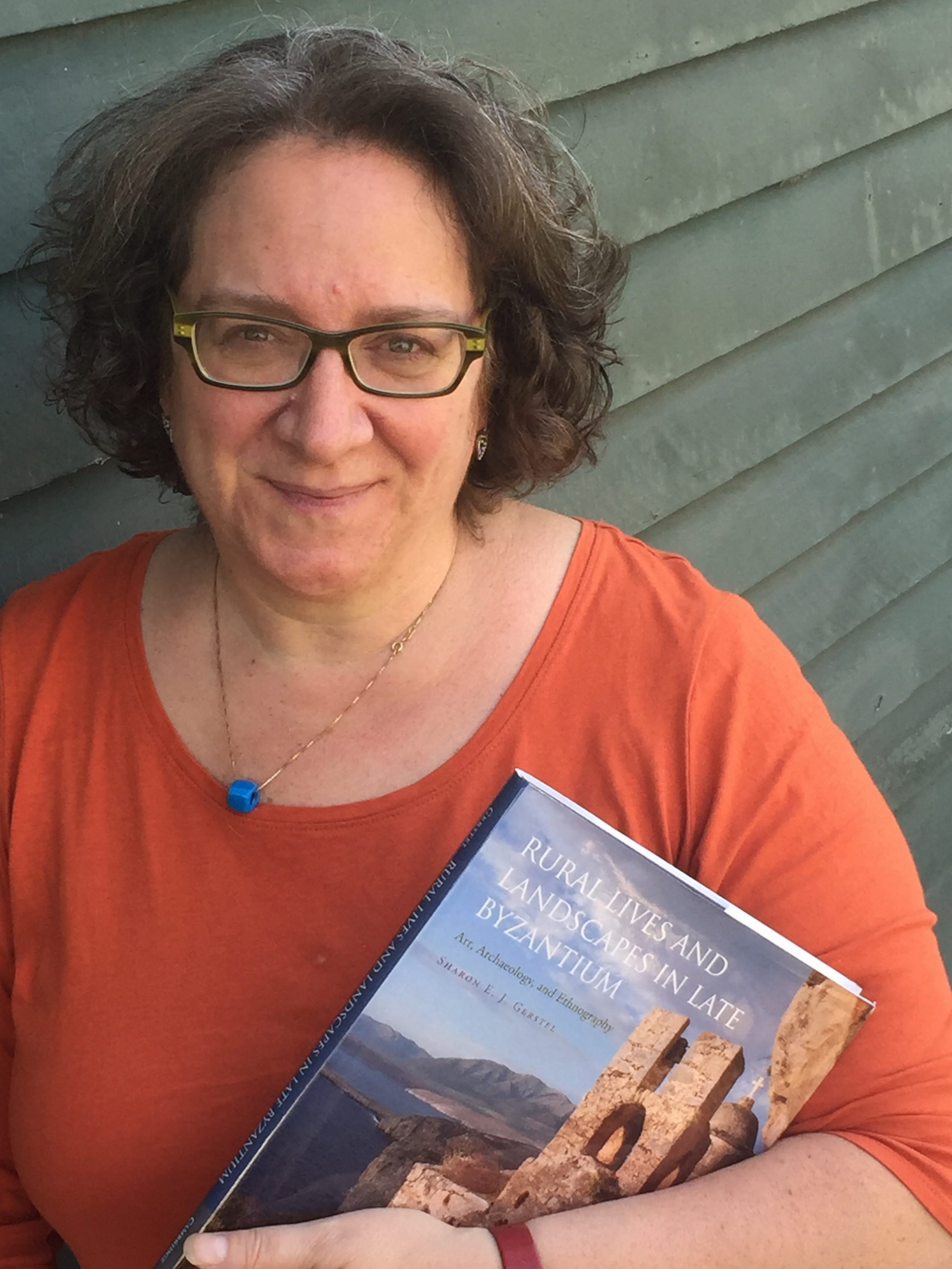
Areas of Interest:
Art history; religious studies; intersection of ritual and art; monumental painting

Areas of Interest:
Archaeological materials from the macro to the micro and to the nano length scale; forensic analytical imaging & conservation; materials science; Hellenistic and Roman painting; technology and synthesis of pigments; materials reverse engineering processing and diagenesis
Areas of Interest:
Archaeology of early village societies; sociopolitical dynamics and the origin of social inequality; Mesoamerica
Areas of Interest:
Social archaeology and cultural history of continental East Asia focusing on emergence early civilizations in Neolithic and Bronze Age China. Historical anthropology, material culture, and conceptions of the past in early modern China. Landscape archaeology, integrating systematic survey, analysis of archaeological ceramics, remote sensing imagery, traditional studies of stone inscriptions and numismatics
Areas of Interest:
Prehistoric (Bronze Age Aegean) through classical archaeology of Greece; relations with the Near East; Greek literature

Areas of Interest:
Material culture studies; cross-cultural exchange; hemispheric networks; landscape transformations; spatial theory; construction technology; design of Inca royal estates; Tiahuanaco stone carving; colonial Andean paintings; Brazilian urbanism

Areas of Interest:
Histories of empires, forced displacement, and race and ethnicity in a global context; ethnic identity in the Roman world; postcolonial theory, queer of color critique, critical race theory and critical refugee studies
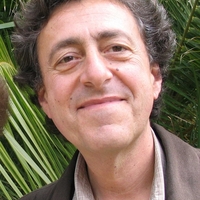
Areas of Interest:
Aegean prehistory; Greek and Italian archaeology; history and culture of the Classical and later periods; the archaeology of colonialism; the integration of literary evidence with the material record in the study of the past

Areas of Interest:
Plant materials used as paint binders or patination materials on archaeological and ethnographic objects; the developing role of preventive conservation; and conservation education.
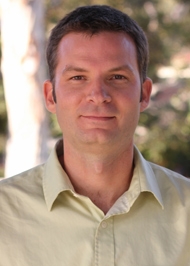
Areas of Interest:
North American archaeology; population movement; origins of villages and leadership in agricultural societies; settlement systems and analysis; ceramic analysis; social context of archaeological practice; American Southwest

Areas of Interest:
Ancient Greece and West Asia, mobility and interaction among Syrian, Egyptian, Cretan, Cypriot, and Aegean artists, culturally-specific crafting knowledge

Areas of Interest:
Biblical Studies and Northwest Semitic Languages

Areas of Interest:
Urbanism, economic networks, consumption and material culture, anthropology of food, comparative historical archaeology; South Asia, Mediterranean, Southwestern U.S.
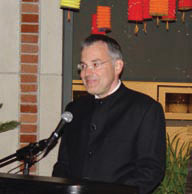
Areas of Interest:
Archaeology of China, East and Inner Asia, coordination of archaeological materials and historical sources on ancient China, economic history and history of science and technology

Areas of Interest:
Archaeological and zooarchaeological research along the eastern Pacific Rim; food and ethnicity; development of social complexity; Caribbean Panama; California; neotropical archaeology; historical archaeology; natural history; human paleoecology; paleoenvironmental reconstruction; comparative osteology
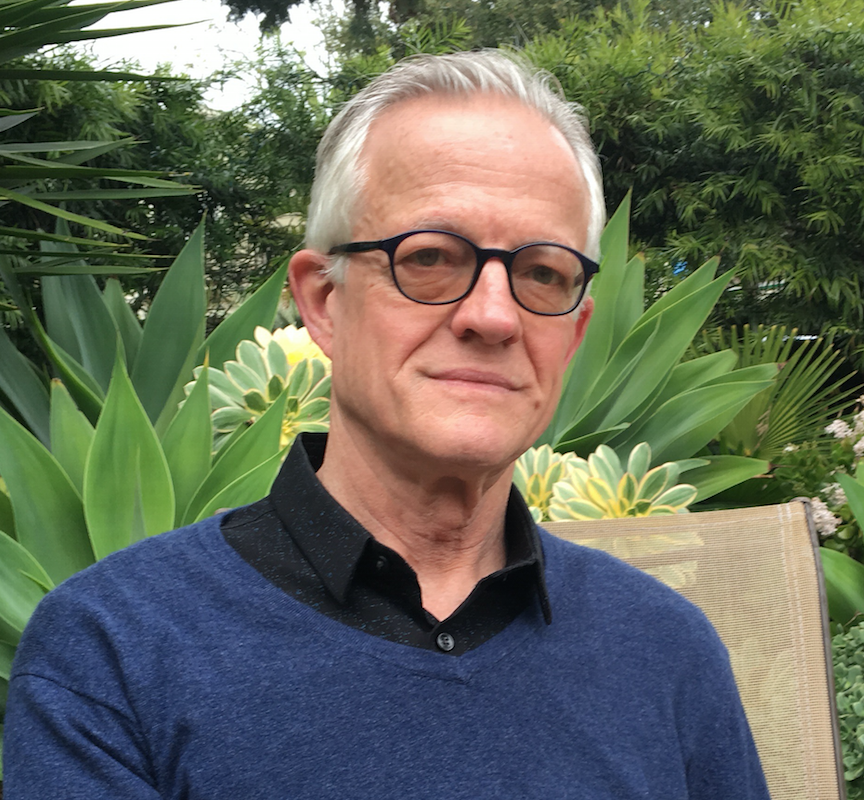
Areas of Interest:
Archaeological Conservation; Illicit trade; Cultural heritage management, Contemporary Art Conservation with specialization in time-based media; Artist archives; Addressing social justice, inclusion, and climate change in conservation.

Areas of Interest:
Urbanism; human mobility; culture and imperialism; ecology and resilience, the Roman economy, archaeological theory, Pre-modern Mediterranean World; Temperate Europe