


Past Events
Interested in Cotsen events? Sign up for our mailing list.Speaker:
Dr. Caroline von Nicolai, Ludwig Maximilians University Munich
Contact Matthew Swanson
Phone
Speaker:
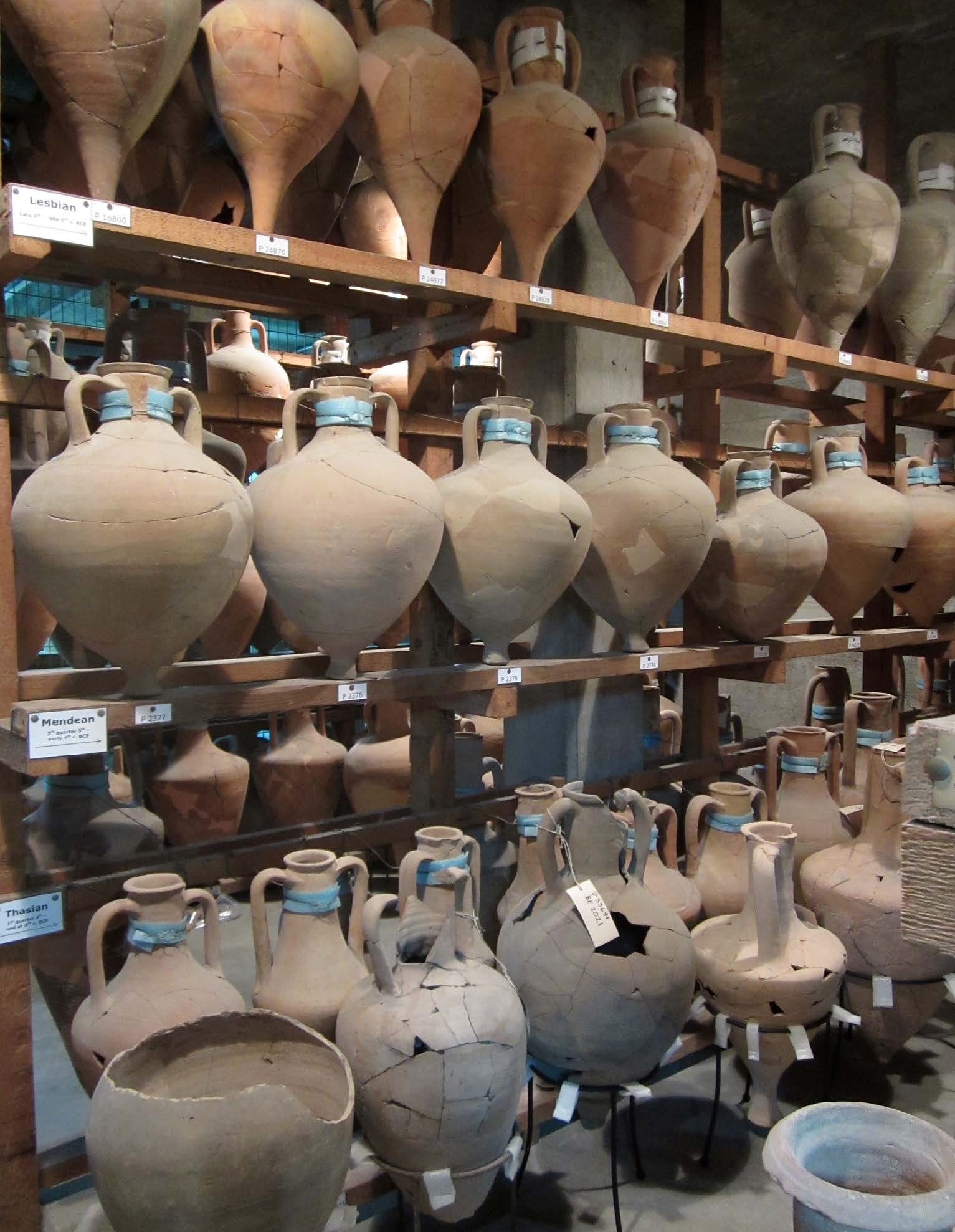
Mark Lawall, University of Manitoba
Contact Matthew Swanson
Email mswanson@ioa.ucla.edu
Phone
Speaker:
Sara Becker, Assistant Professor, UC Riverside
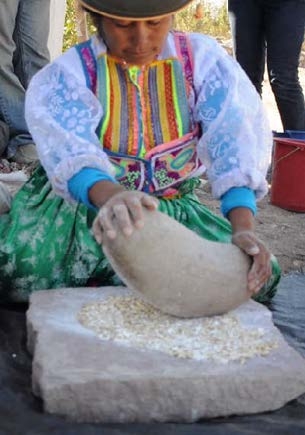
There are a number of approaches in understanding how human civilizations evolved into complex, state-level societies. Labor organization as part of resource management is one way to distinguish these changes and bioarchaeology provides a unique opportunity to study the remains of the actual people who worked within these communities. This research addresses labor organization and distribution within Tiwanaku (AD 500-1100), one of the earliest Andean states in South America. This study examines the impact that state formation had on patterns of human labor observable on the bones of people who lived during the Tiwanaku state. State structure and social organization were evaluated through temporal and spatial labor changes associated with the activity of individuals, in order to provide a comparative framework of specic skeletal evidence to the extant archaeological record. Also, by examining the age and sex of these laborers, peoples’ gender roles or status dierences within this emerging state can be discussed. This investigation answers questions about what tasks people were doing within Tiwanaku, how the state was organized, as well as highlights the importance of reciprocal communal labor networks in order for a complex Andean society to function successfully
.
Contact Matthew Swanson
Email mswanson@ioa.ucla.edu
Phone
Speaker:
Michelle Hegmon, Arizona State University
The Archaeology of the Human Experience (AHE) is a new initiative concerned with understanding what it was actually like to live in the past that archaeologists study (Hegmon 2013, 2016). I will begin the talk by explaining the origins and goals of AHE. Then, I will describe, in some depth, several examples of AHE
research. One explores how people in the ancient US Southwest were able recreate their society, moving from difficult and violent times to a more prosperous and peaceful way of life. Another considers how people’s labor changed as they became incorporated into the Inka Empire. And a third draws on studies of Nazi labor camps to ask whether and how we can know the suffering of others. The talk concludes with future directions of AHE, including ideas for experiential archaeology and historical/comparative perspectives.
Contact Matthew Swanson
Phone
Speaker:
Thomas Garrison, Assistant Professor, USC
Contact Matthew Swanson
Email mswanson@ioa.ucla.edu
Phone
Speaker:
Severin Fowles, Barnard College, Columbia
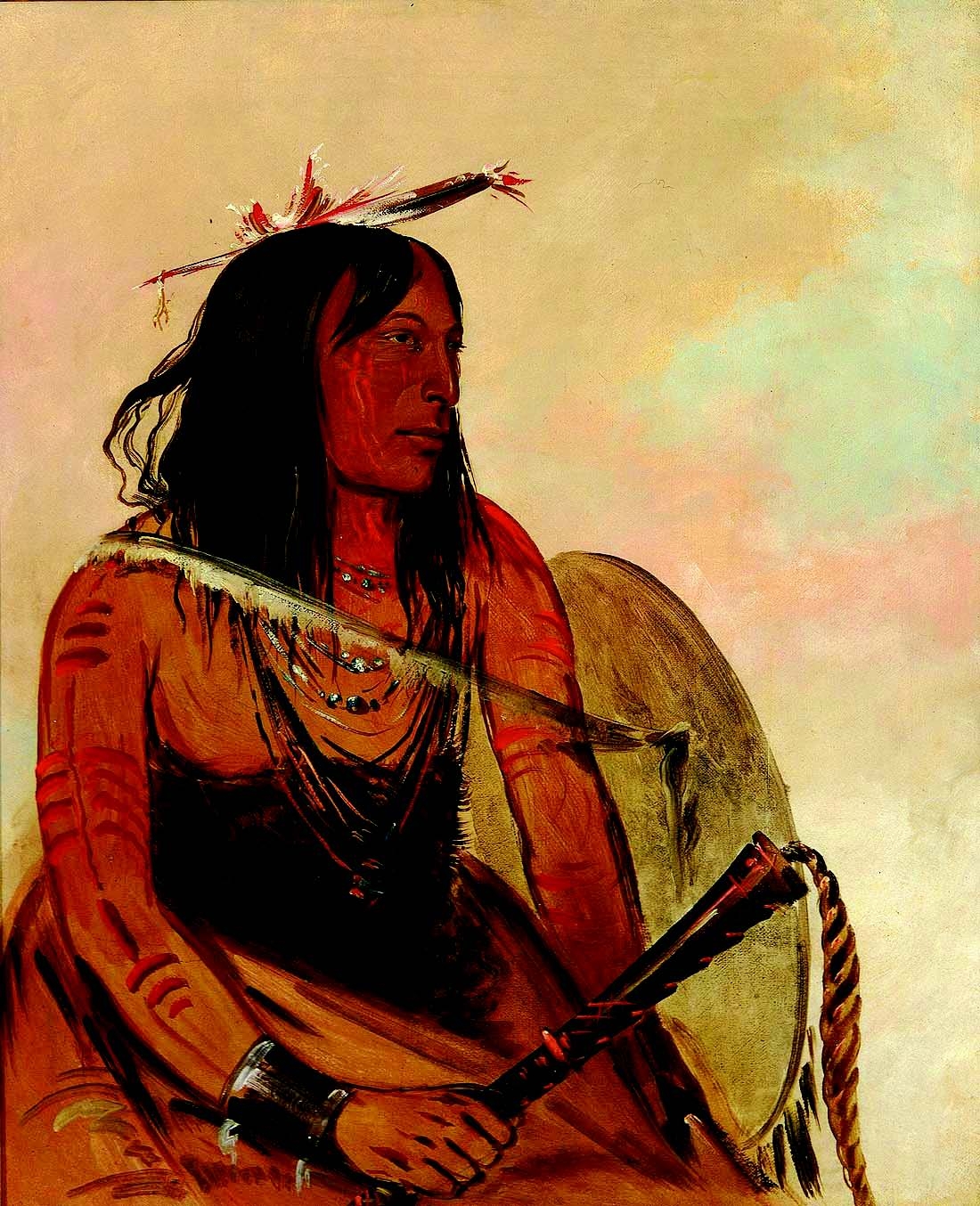 The colonial history of the American Southwest looks quite a bit dierent today than it did only a decade ago. We used to know who the empires were: the Spanish imperial project began in the sixteenth century, held back the advance of the French imperial project for the better part of a century, before both succumbed to the American imperial project. We used to know who the barbarians were as well: as the Germanic hordes were to Rome, so the bellicose equestrian tribes of the Plains were to European and Euro-American civilizations. But now these story lines come undone. Now we are told that, for much of the colonial era, some of the most ambitious imperial actors were Native American—and that the Comanche in particular were involved in a strange form of reversed colonialism, startling the European colonizers by beginning to colonize them in return. Are there archaeological remains that speak to the new, more complicated colonial dynamics recently identied by revisionist historians?
Contact Matthew Swanson
Email mswanson@ioa.ucla.edu
Phone
Speaker:
Giorgio Buccellati, Professor Emeritus, UCLA Department of Near Eastern Languages and Cultures
Contact Matthew Swanson
Email mswanson@ioa.ucla.edu
Phone
Speaker:
Michael Frachetti, Associate Professor, Washington University in St. Louis
Contact Matthew Swanson
Email mswanson@ioa.ucla.edu
Phone
Speaker:
Li Liu, Stanford University
In China, grinding stones first appeared during the Upper Paleolithic period, and were one of the dominant tool types in many early Neolithic sites. Grinding stones were primarily used for processing plant foods and other materials. They gradually disappear in the archaeological record after 5000 BC in the Yellow River region at the time when millet-based agriculture may have intensified. However, grinding stones were continuously used by people throughout the entire Neolithic period in the Liao River region of Northeast China. The different trajectories in food processing methods (with or without grinding stones) in the two regions are likely related to diverse types of plants exploited; and we need to understand what plants were involved. By employing residue (starch and phytoliths) and usewear analyses, this study investigates the functions of grinding stones recovered at several sites in the Liao River region, dating to ca. 5800-3000 BC. The results suggest that the people utilized a broad-spectrum subsistence strategy throughout the entire Neolithic, using various wild, cultivated, and domesticated plants, including tubers/roots, cereals, beans, and nuts. The earliest domesticates in the Xinglongwa period include millets and Job’s tears. Rice may have been introduced to the region for the first time during the Hongshan period, coinciding with the rise of regional elite and intensified interactions with other Neolithic cultures in the south. This study sheds new light on the plant-use strategies of the grinding-stone users who developed complex societies in the Neolithic Liao River region.
Contact Matthew Swanson
Email mswanson@ioa.ucla.edu
Phone
Speaker:
Colin Renfrew, Senior Fellow, McDonald Institute for Archaeological Research
Contact Matthew Swanson
Email mswanson@ioa.ucla.edu
Phone
- ‹ previous
- 50 of 52
- next ›