


Past Events
Interested in Cotsen events? Sign up for our mailing list.Speaker: Dr. Manfred Bietak, Professor Emeritus, University of Vienna Institute of Egyptology
Avaris, capital of the Hyksos, was inhabited, as we may presume, mainly by a western Asiatic population, which migrated to Egypt from the late Middle Kingdom onwards. We may call them for convenience sake Amorites as the little onomastic evidence we have, shows that they had mainly Western-Semitic personal names. We don’t know yet, if this population was homogenous. Most probably they were not, as their osteological remains show a sexual dimorphism. This phenomenon is known when wives are taken from a different gen-pool than the men. This result was attested some time ago by the physical anthropologist Eike M. Winkler from the University of Vienna. Most probably, immigrants from the Levant seem to have married local women who also did not match the Egyptian population type. Therefor they may have originated from an older substratum of immigration from different origin. We are lacking, however, the osteological material of the Egyptians who lived in the oldest settlements of the 12th Dynasty at Tell el-Dab‘a at ‘Ezbet Rushdi. These people were not buried within the town as the Canaanites, but according to the Egyptian mortuary tradition in a separate but still undisclosed cemetery, outside the town. We have various indications that they continued to live within Avaris untill the end of the Hyksos Period. Within the oldest part of the town of Avaris, at the quarter where we have evidence of a planned settlement and a temple of the 12th Dynasty, there are no intramural burials, also not from the Second Intermediate Period. The same applies to a quarter directly south of this Middle Kingdom settlement, where even during the Hyksos Period the usual burials in houses or courtyards – which are ethnical markers - are missing. What is missing in this district are finds of toggle-pins which held together the typical Western Asiatic garment at the left shoulder. Such finds were, however, collected within the immediately adjoining quarters, where obviously the Amorites lived.
Besides Egyptians and people from Western Asia from dierent periods of immigration, Avaris proves more and more to have been a multi-ethnical town. Ceramic remains from dierent parts of Nubia can be taken as evidence that also various ethnicities of Nubians lived here. As their pottery has open forms, not suitable as containers of imports, and as the roughly produced cooking pots are not attractive as imports it is likely that Nubians lived in Avaris over a long period. Some of the cooking pots even seem to have been produced of local clays. This would speak indeed for the physical presence of Nubians.
Besides the above mentioned ethnicities there is even some small evidence that Cypriots may have been
present in Avaris shortly before the Hyksos Period as Cypriot pottery was produced locally in Cypriot handmade technique.
Contact Matthew Swanson
Email mswanson@ioa.ucla.edu
Phone
Speaker: Dr. Stephanie Pearson, Institut für Archäologie at Humboldt-Universität zu Berlin, Germany
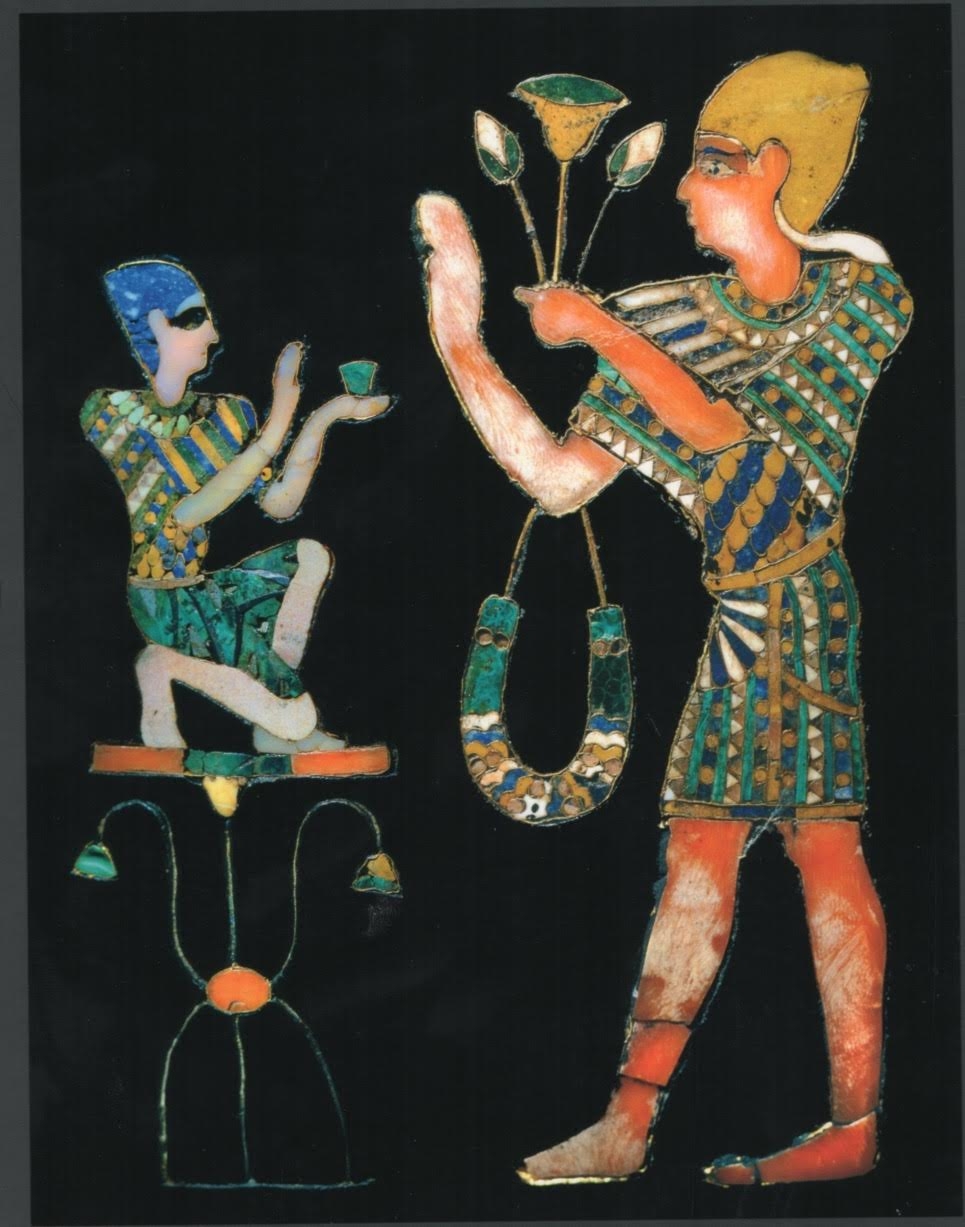
In the later first century BC, Egyptian material sweeps into Roman houses on an unprecedented scale. Its connection to Octavian’s conquest of Egypt has been taken for granted; but what are the actual mechanisms by which a political event could affect material culture? Archaeological and textual evidence in fact sheds light on this process, in part by allowing us to identify precise categories of Egyptian objects that Romans acquired. It also reveals the importance of considering context and artistic adaptations in understanding the variety of meanings for Egyptian material in Roman houses.
Contact Matthew Swanson
Email mswanson@ioa.ucla.edu
Phone
Speaker: Dr. Sarah Herr, President, Desert Archaeology Inc.
The cultural affiliation of the pre-contact residents of central Arizona defies easy categorization. These residents of small settlements construct their houses in array of styles, form undecorated ceramic vessels, specialize in projectile point production, and trade other goods rarely but widely, and are not easily encompassed into Hohokam or Puebloan histories. The State Route 260—Payson to Heber project, a cultural
resource management investigation conducted for the Arizona Department of Transportation in advance of highway realignment, provided the opportunity to examine the lifeways of these people who live beyond many boundaries. Trying to understand their experiences provides a starting point for considering the larger issues of how Southwest archaeologists conduct research in areas outside demographic cores.
Contact Matthew Swanson
Email mswanson@ioa.ucla.edu
Phone
Please join us for a screening of the documentary film The Archaeologist by Kimon Tsakiris. The film will be preceded by a panel discussion with Professor John Papadopoulos (UCLA, Cotsen Institute of Archaeology) and Professor Katerina Zacharia (Loyola Marymount University, Classics) and followed by a reception.
A synopsis of the film follows:
In the final "battle" of her career, a determined archaeologist--who has dedicated all her life to protecting the cultural and natural environment of the land--has two months to salvage as much as possible from an archaeological dig which is planned to be flooded during the construction process of a new dam by the Greek National Power Company.
Parking available in UCLA Lot 4, 221 Westwood Plaza at Sunset Blvd.
Upon entering Lot 4, turn left into the Pay-By-Space area.
Parking is $3/hr, max $12/day.
Automated pay stations accept $1 or $5 bills and credit/debit cards.
Contact Matthew Swanson
Email mswanson@ioa.ucla.edu
Phone
Speaker: Dr. Carlo Severi, Laboratoire d'anthropologie sociale, EHESS, Paris
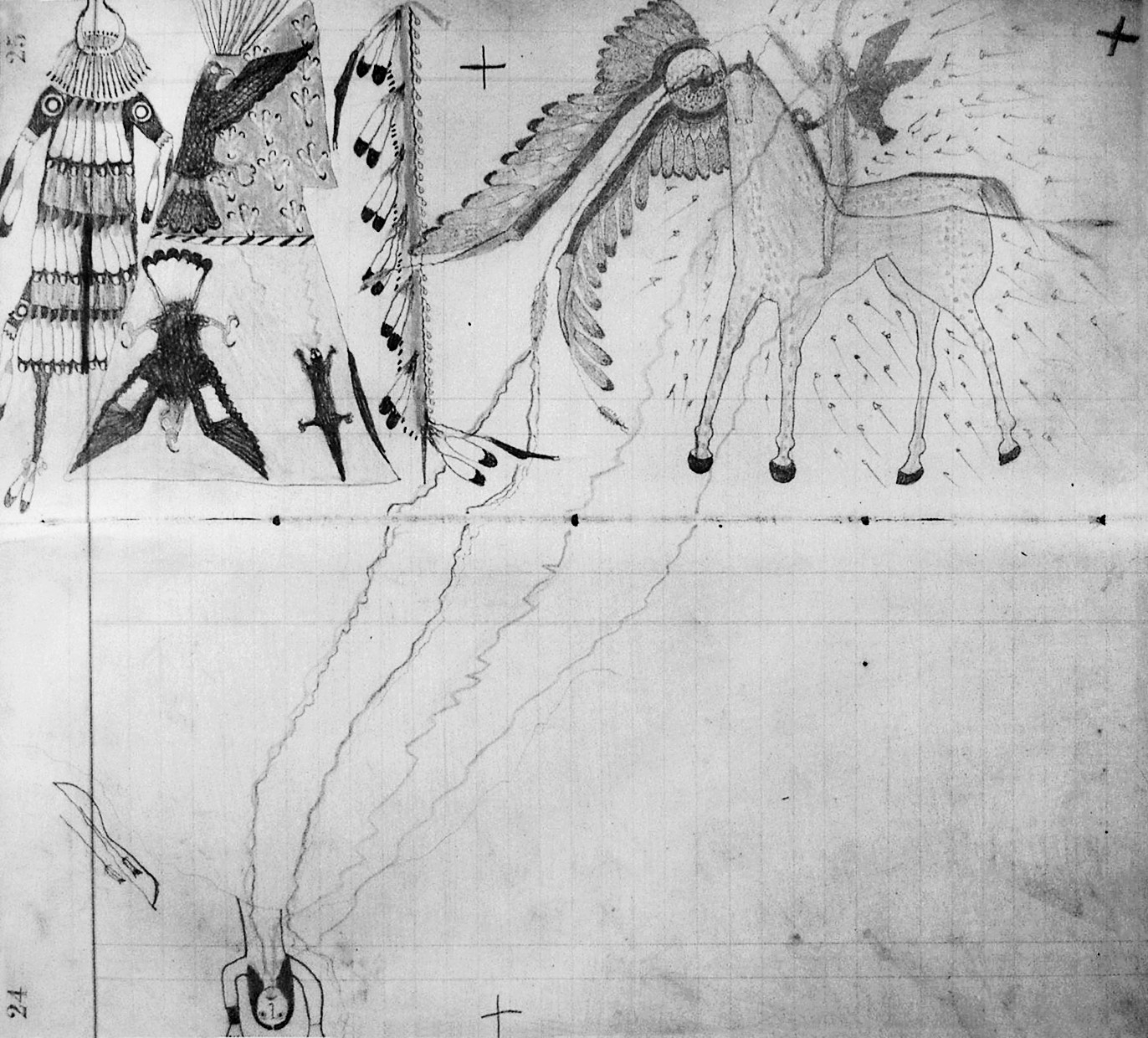
For linguists, anthropologists and archaeologists, the emblematic image always and everywhere preceded the appearance of the sign. This myth of a figurative language composed by icons, that form the opposite figure of writing, has deeply influenced Western tradition. In my talk, I show that the logic of Native American Indian mnemonics (pictographs, khipus) cannot be understood from the ethnocentric question of the comparison with writing, but requires a truly comparative anthropology. Rather than trying to know if Native American techniques of memory are true scripts or mere mnemonics, we can explore the formal aspect both have in common, compare the mental processes they call for. We can ask if both systems belong to the same conceptual universe, to a mental language, to use Giambattista Vico’s définition, that would characterize the Native American arts of memory. In this perspective, techniques of memory stop being hybrids or imprecise, and we will better understand their nature and functions as mental artifacts.
Contact Matthew Swanson
Email mswanson@ioa.ucla.edu
Phone
LaTeX is a document preparation system that uses plain rather than formatted text, which encourages users to focus on content rather than formatting. This system is increasingly used for preparation of articles and theses, and has wide application across the sciences and humanities. This workshop will build on the first and focus on preparing bibliographies and citing references with LaTeX.
Bring your computer with LaTeX installed for hands-on practice. If you were unable to attend the first workshop or did not get LaTeX installed on your computer please contact dal@ioa.ucla.edu prior to March 1st.
Contact Deidre Whitmore
Email dal@ioa.ucla.edu
Phone
Speakers: Society for American Archaeology Executive Committee
This Friday the Cotsen Institute of Archaeology will host the members of the Society for American Archaeology (SAA) Executive Committee for an informal discussion on the implications of recent political transitions for archaeologists in the United States and around the world. The SAA Executive Committee is comprised of the SAA President, President-elect, Secretary, Secretary-elect, Treasurer, Treasurer elect, and the Executive Director. The committee is tasked with taking prompt action on issues that require an immediate response.
The immediate concerns of archaeologists and stakeholders are vast. In academic institutions researchers face potential implications for funding opportunities and relationships with host countries. Both public and private sector cultural resource management institutions are grappling with likely attempts to weaken laws that protect archaeological sites and provide funding for mitigation projects including The National Historic Preservation Act (NHPA), the National Environmental Policy Act (NEPA) and the Antiquities Act.
Please join us for this unique opportunity!
Contact Matthew Swanson
Email mswanson@ioa.ucla.edu
Phone
Speaker: Dr. Fumie Iizuka, University of Arizona
Monagrillo (ca. 4500-3200 14C BP) is the earliest ceramic of Central America. It is found in Central Panama in shell-bearing middens of the Pacific coast, rockshelters of the Pacific plains, foothills, and the cordilleras, and the Caribbean slopes. People had been farming for thousands of years when they adopted pottery. Population was significantly increasing. However, it had not been clear whether 1) they farmed in the inland during wet seasons and engaged in coastal subsistence activities during dry seasons or 2) they were sedentary by the time pottery emerged, engaging in exchange of local resources.
Typological studies of this pottery had been conducted in the past; however, understanding of its production zones, circulation patterns, and possible use had been limited. In my research, I examined this pottery from different environmental zones, adopting visual, petrographic, geochemical, and microstructural analytical methods. I sourced and inferred production and circulation patterns, and assessed manufacturing techniques and firing temperatures. I inferred from the results that sedentary inhabitants of the Pacific foothills and the coast of central Panama produced pottery during the dry season and it circulated to the Pacific plains, the intermediate area, where people engaged in reciprocal social exchange. Pacific foothills vessels, but not coastal wares, were weathering and impact resistant, which suggested intended use in the rugged terrain and for transportation to the perennially wet Caribbean slopes. Pottery was generally made to be suitable for cooking; population pressure may have affected producers and consumers to adopt new cooking techniques.
Contact Matthew Swanson
Email mswanson@ioa.ucla.edu
Phone
Speaker: Bjorn Loven
The Zea Harbor Project, digging on land and underwater from 2002 to 2012, uncovered extensive
archaeological remains of the Athenian naval facilities. The lecture will show how the archaeological
finds inform us about developments from the dawn of Athenian power in the late 6th and early 5th
centuries BC, to the young democracy at the time of the Persian Wars, to the age of empire when
Athens ruled the eastern Mediterranean, and to the waning years of the 4th century BC, when Athens
stood in the shadow of Macedonia.
Contact
Phone
Speaker: Dr. Alan Sullivan, Professor, Department of Anthropology, University of Cincinnati
Archaeological investigations of the effects of anthropogenic fire on the livelihoods of small-scale societies, particularly those of the prehispanic northern Southwest, are embryonic in scope and disciplinary impact. When burning is mentioned in the literature, the emphasis is on its effectiveness in clearing or deforesting areas for corn farming. In this presentation, I introduce an alternative model that focuses on how woodland-dwelling agricultural populations could be supported by systematic, lowintensity, understory burning that promoted the growth of ruderals -- nutritious plants such as amaranth and chenopodium -- that colonize and thrive in anthropogenic fireniches. With paleoeconomic and settlement data from the Upper Basin (northern Arizona), I propose that considerable numbers of people can be supported by firebased ruderal agriculture in areas that are environmentally hostile to corn farming. Consequently, as archaeologists shift their agro-ecological paradigms from obligate to facultative, they will come to appreciate that ruderals, whose remains dominate archaeobotanical and pollen assemblages recovered from a variety of archaeological and sedimentary contexts in the Western Anasazi region, can no longer be considered inadvertent byproducts of corn farming (“weeds”) but were actively cultivated plants. With these understandings, I suggest that the production of ruderals in anthropogenic pyro-landscapes was a sustainable and ecologically-sound practice that both increased food-supply security and insulated economically-autonomous populations from longterm climatic variability and short-term environmental unpredictability.
Contact Matthew Swanson
Email mswanson@ioa.ucla.edu
Phone
- ‹ previous
- 43 of 52
- next ›