


Past Events
Interested in Cotsen events? Sign up for our mailing list.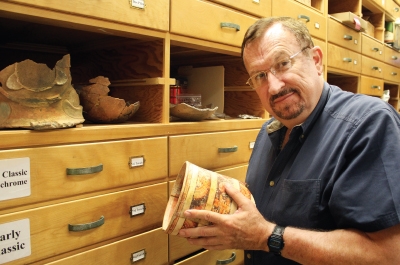
Speaker:
Dr. James Brady
Professor
Dept. of Anthropology
Cal State Los Angeles
Bio:
Dr. James Brady is best known for pioneering the archaeological investigation of Maya caves. Between 1981 and 1989 he directed excavations at Naj Tunich (National Geographic, August 1981, Archaeology Nov/Dec 1986) and from 1990 to 1993 he directed the Petexbatun Regional Cave Survey (National Geographic, February 1993). Moving to Honduras, Brady headed a three year archaeological investigation of the Talgua region (Cave of the Glowing Skulls, Archaeology May/June 1995). Since 2001, he has led a Cal State L.A. field school to Peten, Guatemala. More recently, he has co-directed a project studying Ulama, a modern survival of the ancient Aztec ballgame Ullamaliztli (Archaeology Sept/Oct 2003; Smithsonian Magazine, April 2006). From 2008-2010 he directed the investigation of Midnight Terror Cave in Belize and currently he is working with the Programme for Belize.
Contact Sumiji Takahashi
Email sutakahashi@ioa.ucla.edu
Phone 310-825-4169
Hear eight of the world’s leading Egyptologists, who will appear together for the first time to share their expertise on life in Ancient Egypt. These experts are all editors of the UCLA Encyclopedia of Egyptology (UEE), a prestigious resource of in-depth articles on Ancient Egypt that has been a decade in the making. Accessible by the public, these articles cover language, religion, history, art, and a wide variety of other important topics on this critical civilization.
Please join us for this special event which will emphasize the role of women and how they helped shape Ancient Egypt as we know it.
Reserve tickets now or view the full program here.

Contact Michelle Jacobson
Email mjacobson@ioa.ucla.edu
Phone
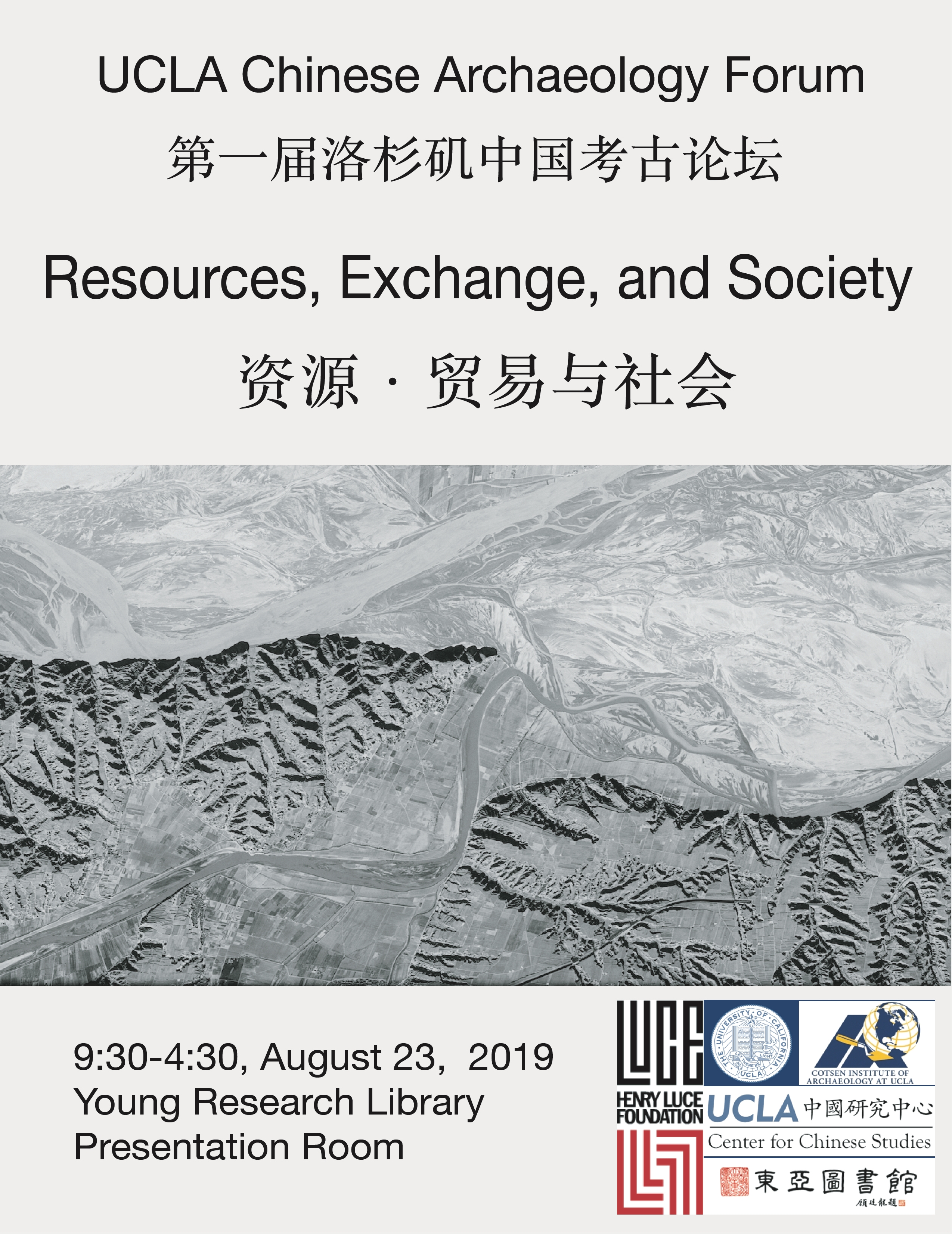
Resources, Exchange, and Society
UCLA Chinese Archaeology Forum (2019)
第一届洛杉矶中国考古论坛:资源、贸易与社会
9:30-4:30 Friday Aug 23 UCLA Young Research Library Presentation Room
Opening Remarks: 9:30-9:40
First Panel: Resources and Exchanges in Early China (Chair Li Min, UCLA)
第一组:早期中国的资源与交换 (主持人:李旻 加州大学洛杉矶分校)
9:40-10:10 Wu Hao (Shandong University): Settlement and Social Structure on the Jianxin Site during the Middle and the Late Dawenkou Period
武昊(山东大学历史文化学院):枣庄建新遗址大汶口中晚期聚落与社会结构
10:10-10:40 Gao Jiangtao (CASS): Resources, Trade Routes, and Settlements in theEmergence of Early Civilization in China: Perspective from the Jinnan Basin
高江涛(中国社会科学院考古研究所):中国早期文明之路视野下的晋南资源聚落
10:40-11:10 Pang Xiaoxia (CASS): The Xiawanggang Site during the Erlitou Period: A Transportation Hub in Cultural Interaction
庞小霞(中国社会科学院考古研究所):文化互动中的枢纽----二里头时期的淅
川下王岗
11:10-11:20 10 minutes break
11:20-11:50 Li Min (UCLA) The Minshan Pathway in the Prehistoric Interaction of Early China
李旻(加州大学洛杉矶分校):史前中国互动圈中的岷山通道
Second Panel: Ritual and Society (Chair Zhang Meimei, Occidental College)
第二组:仪式与社会 (主持人:张楣楣 西方学院)
11:50-12:20 Kirie Stromberg (UCLA): Music and State Formation in Early China
益田雾绘(加州大学洛杉矶分校):早期国家形成视域中的音乐
12:20-1:00 pm Lunch
1:00-1:30 Tian Zhaoyuan (East China Normal University)
Pledge of Allegiance: Reflection on the Early State of System
田兆元(华东师范大学社会发展学院):盟誓:关于早期国家制度的思考
1:30-2:00 Li Wanmeng (UCLA): Investigation of Daoist Temple in Grotto-Heaven
Landscape Based on the Case Study of Dongxiao Temple Site
李皖蒙(加州大学洛杉矶分校): 洞天福地中道教宫观考古调查——以临安洞霄
宫遗址为例
Third Panel: Maritime Resources and Networks (Chair Liu Miao, Xiamen Univ.)
第三组:海洋资源与网络 (主持人:刘淼 厦门大学)
2-2:30 Cao Yang (Shandong University): Salt Archaeology Survey at the West Coast of the Bohai Gulf: Results from the 2018 Season
曹洋(山东大学文化遗产研究院):2018 年渤海湾西岸地区盐业考古调查及研究
2:30-3:00 Liu Miao (Xiamen University): Production and Export of Fujian Ceramics: Survey of Anxi Kiln Sites
刘淼(厦门大学人文学院):福建古陶瓷生产及外销----安溪县古窑址调查
3-3:30 Zhou Jun (East China Normal University): Genglubu Navigation Manuals
from the Perspective of the Maritime Communities
周俊(华东师范大学社会发展学院):海洋命运共同体视野下的《更路簿》
Special Presentation: Chinese Archaeology through Camera Lens
特别报告:考古镜像
3:30-4 Du Lin (UCLA) A Modern Man's Way of Viewing the Past: Archaeological
Photography in the Northwestern Provinces of China
杜琳(加州大学洛杉矶分校):摄影之眼的“怀古”与“求真”西北文物考察照片
4-4:30 Commentary 总结评议:
Prof. Lothar Von Falkenhausen 罗泰 教授 (加州大学洛杉矶分校艺术史系)
Sponsored by: 资助机构:
Henry Luce Foundation 露丝基金会
UCLA Cotsen Institute of Archaeology 加州大学洛杉矶分校蔻岑考古研究所
UCLA Center for Chinese Studies 加州大学洛杉矶分校中国研究中心
UCLA East Asian Library 加州大学洛杉矶分校东亚图书馆
Contact Sumiji Takahashi
Email sutakahashi@ioa.ucla.edu
Phone 310-825-4169
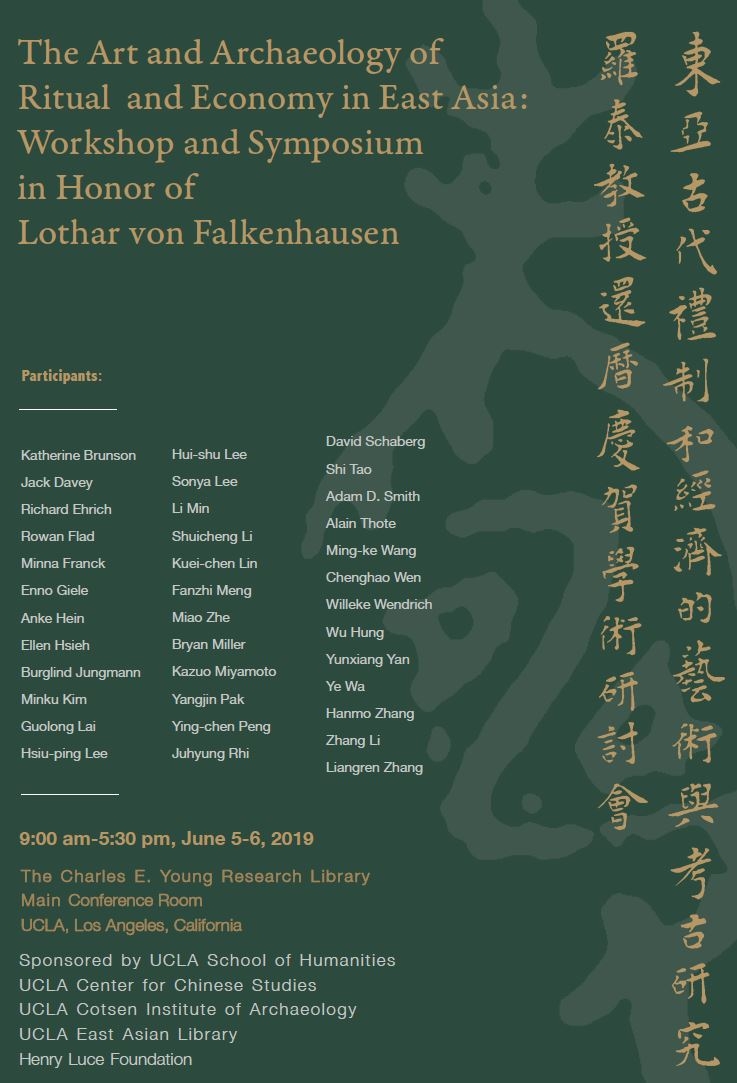
The Art and Archaeology of Ritual and Economy in East Asia: Workshop and Symposium in Honor of Lothar von Falkenhausen
東亞古代禮制和經濟的藝術與考古研究:羅泰教授還曆慶賀學術研討會
June 5-6, 2019, YRL Main Conference Room, UCLA
Contact Sumiji Takahashi
Email sutakahashi@ioa.ucla.edu
Phone 310-825-4169
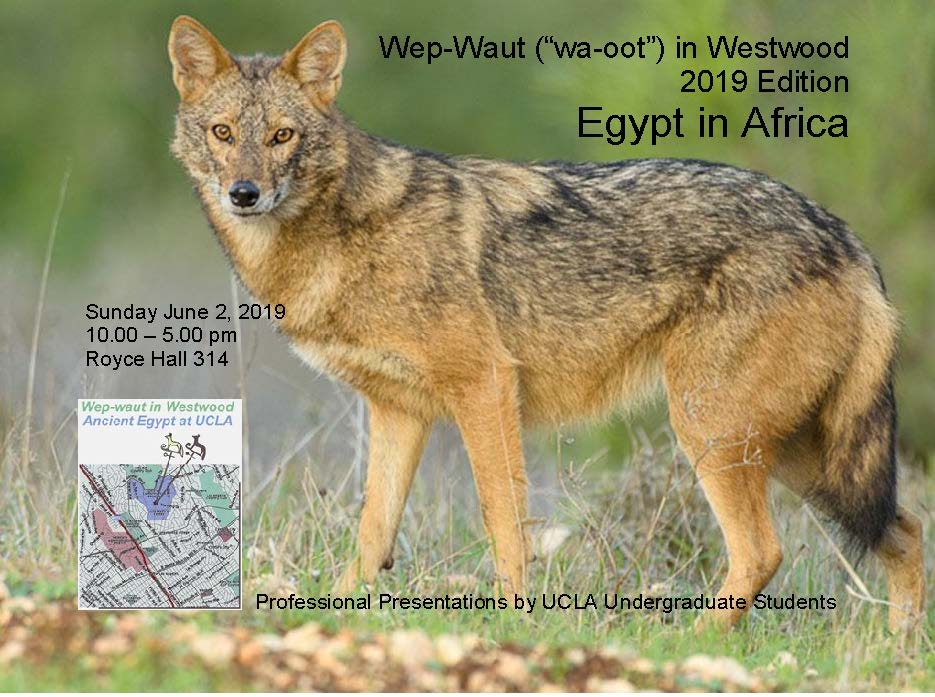
Egypt in Africa
Professional presentations by UCLA undergraduate students
Contact Willeke Wendrich
Phone
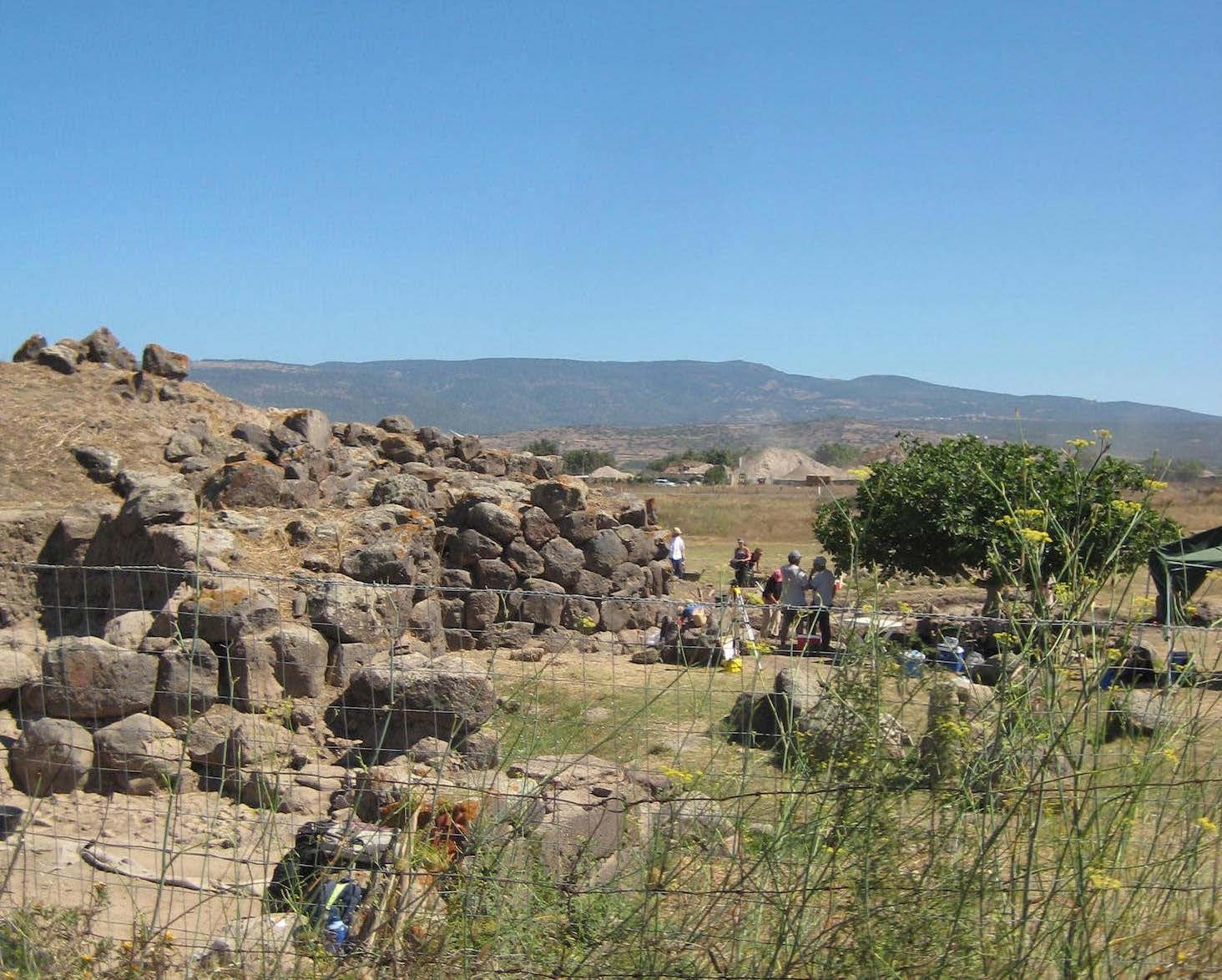
Speaker:
Dr. Linda Reynard
Research Associate
Department of Human and Evolutionary Biology, Harvard University
Abstract:
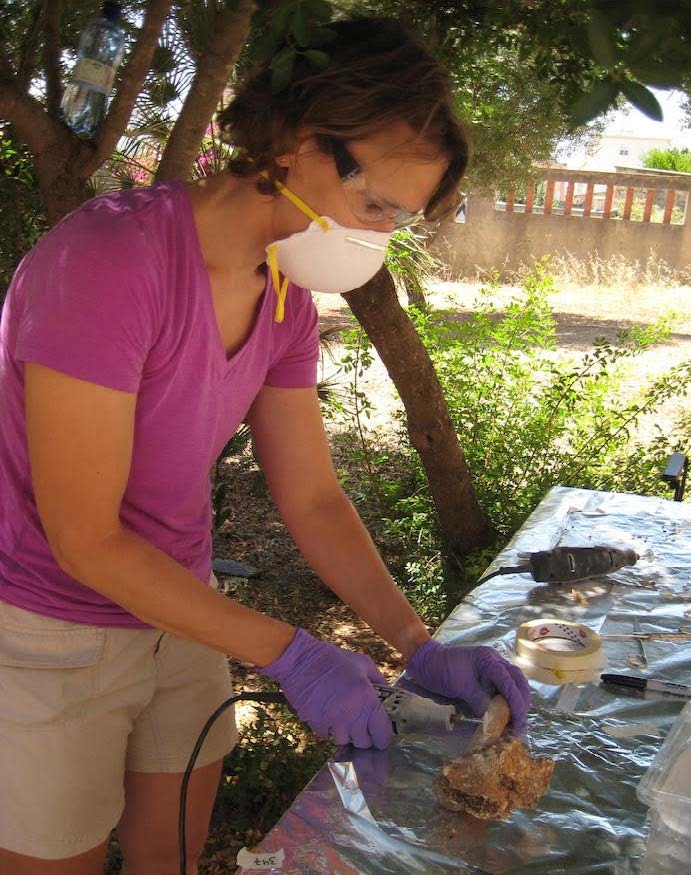
Over the last 20-30 years, the analysis of stable isotope ratios from bones and teeth has contributed tremendously to the understanding of paleodiets, paleoenvironments, and migration. However, hydrogen and oxygen isotope ratios in collagen are understudied compared to the well-known use of carbon, nitrogen, and strontium isotope ratios. Given that hydrogen and oxygen show geospatial patterns of isotopic variation as tracers of the global hydrological cycle, further investigation of the utility of these tracers for archaeological studies is warranted. I will outline results of our study using the Mediterranean basin as a test case, involving Late Bronze and Iron Age humans and fauna from five sites spanning 3500 km east-west across the Mediterranean basin. This rich data set shows highly variable faunal isotope ratios; in contrast, humans have tight population mean isotopic ratios. Diet type, digestive physiology, and human manipulations of foodstuffs likely play a role in causing these patterns. In addition,environmental variability between the sites is noted in the collagen isotope ratios. These results demonstrate that hydrogen and oxygen isotope ratios in bone are valuable tracers, but equally that much further work is needed to elucidate the mechanisms responsible for the patterns seen.
Bio:
Dr. Reynard is a research associate and lecturer at the Department of Human and Evolutionary Biology,
Harvard University. Her research includes the application of state of the art of Hydrogen and Oxygen
isotope geochemistry for paleodiet and paleoenvironment research in archaeology. Dr. Reynard finished her D.Phil, and her M.Sc. in archaeological science at University of Oxford.
Contact Sumiji Takahashi
Email sutakahashi@ioa.ucla.edu
Phone 310-825-4169
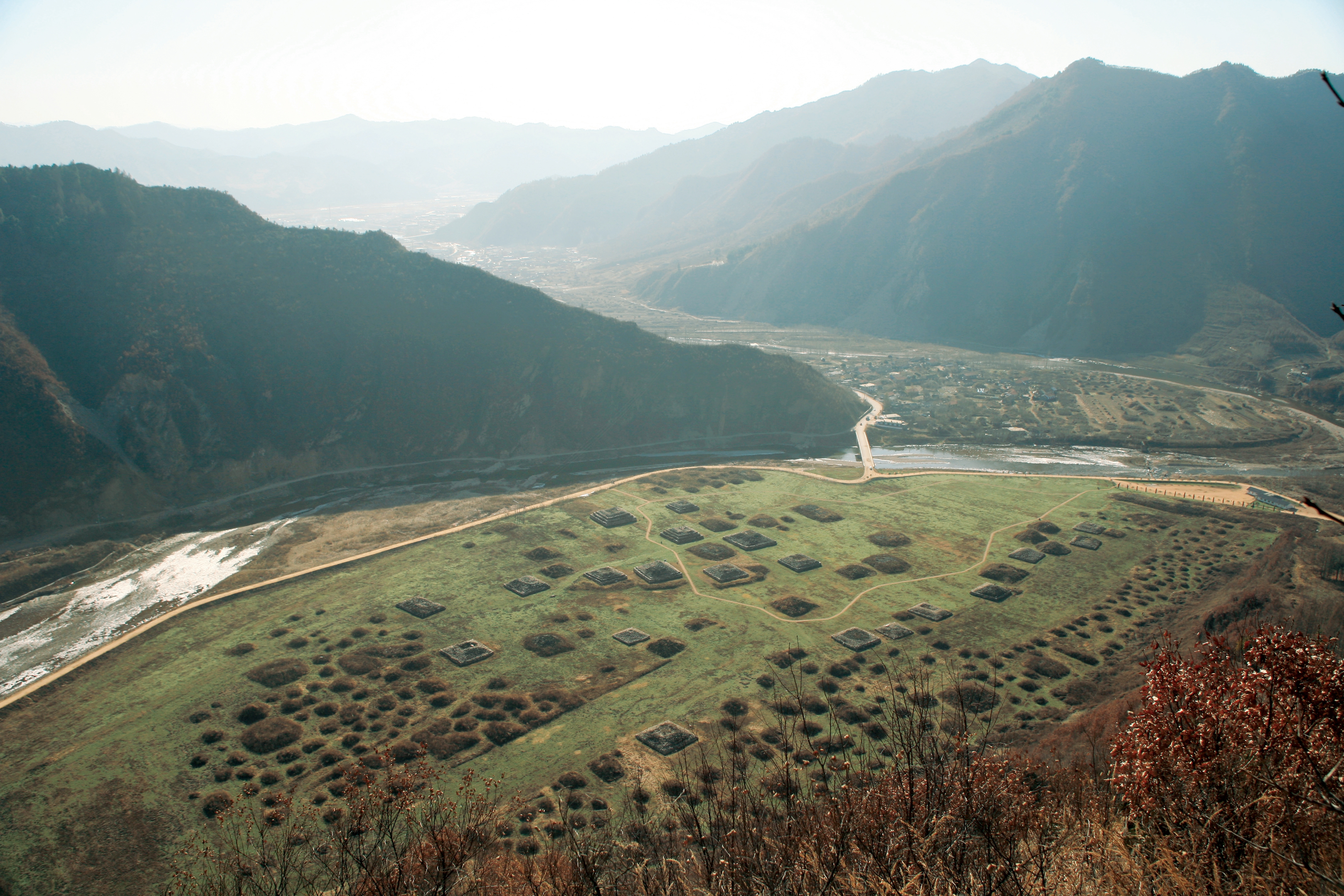
Speaker:
Dr. Sungjoo Lee
Kyungpook National University
Contact Sumiji Takahashi
Email sutakahashi@ioa.ucla.edu
Phone 310-825-4169
Speaker:
Dr. Justin Dunnavant
UC President’s Postdoctoral Fellow
University of California, Santa Cruz
Bio:
Dr. Justin Dunnavant is a UC President’s Postdoctoral Fellow
at the University of California, Santa Cruz. He holds a BA in
History and Anthropology from Howard University and an
MA and Ph.D. from the University of Florida. While his
former research interrogated the history and representation of minority groups in southern Ethiopia, his current work in the US Virgin Islands investigates the relationship between ecology and enslavement in the former Danish West Indies.Justin has conducted archaeological research in US VirginIslands, Belize, Jamaica, Ethiopia, Tanzania, Mozambique, andThe Gambia.
Abstract:
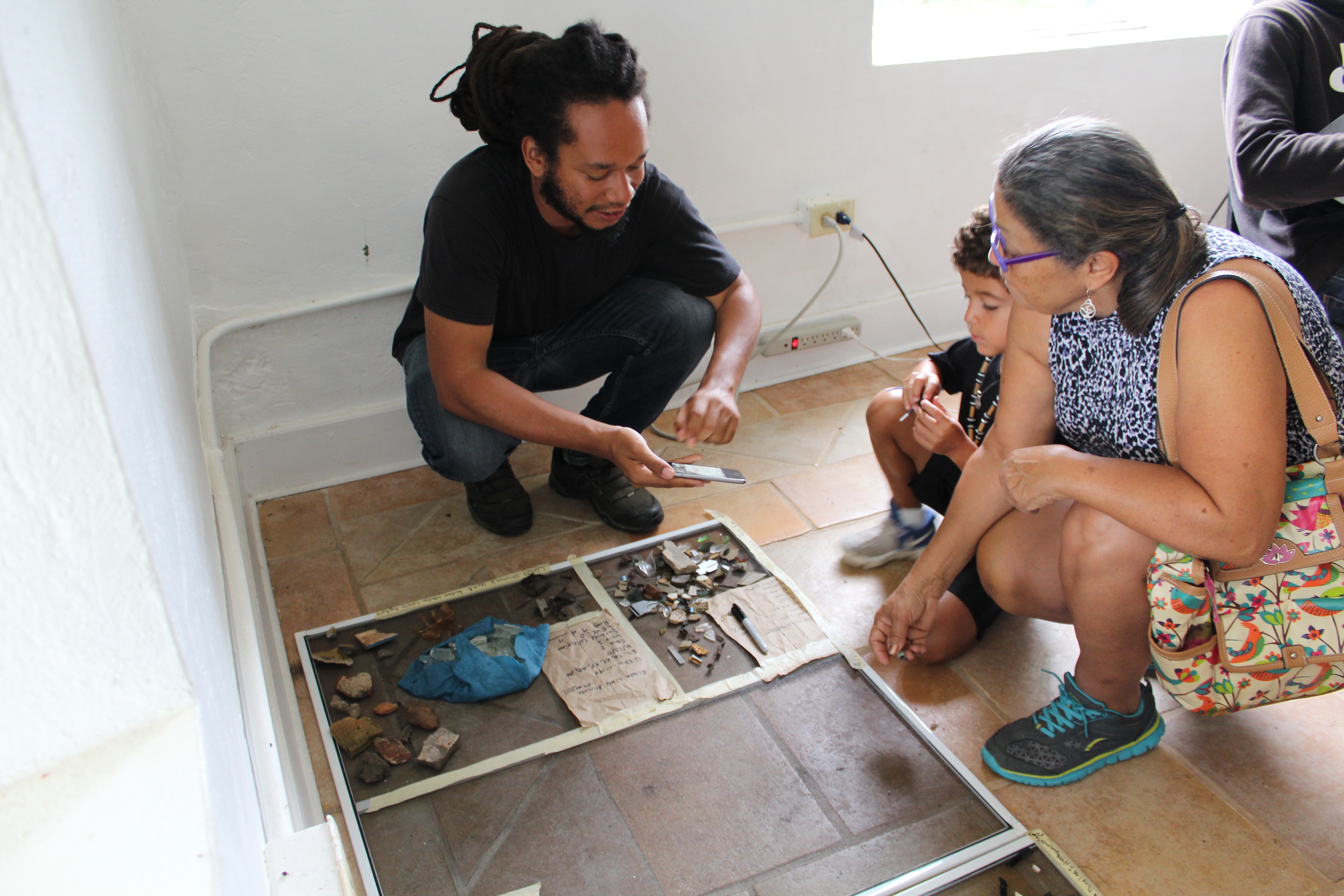
The transatlantic slave trade era – marked by chattel slavery, racial capitalism, and exploitative plantation economies – radically transformed societies and environments in the Americas. In this talk, I attempt to craft a historical ecology of the African Diaspora through an analysis of slavery in the Danish West Indies. Drawing from an array of archaeological, historical and environmental data, I argue that the development of plantation slavery elicited lasting ecological changes as colonial planters developed exploitative monocrop agricultural systems and enslaved Africans made a life in the Caribbean. Theoretically, I use a Black Geographic lens to interrogate the relationship between African diasporic communities and their Atlantic environments. Finally, I posit the need to engage questions of sustainability as a form of redress in contemporary archaeological praxis.
Contact Sumiji Takahashi
Email sutakahashi@ioa.ucla.edu
Phone 310-825-4169

Speaker:
Roxanne Radpour
Ph.D. candidate, UCLA
Contact Sumiji Takahashi
Email sutakahashi@ioa.ucla.edu
Phone 310-825-4169
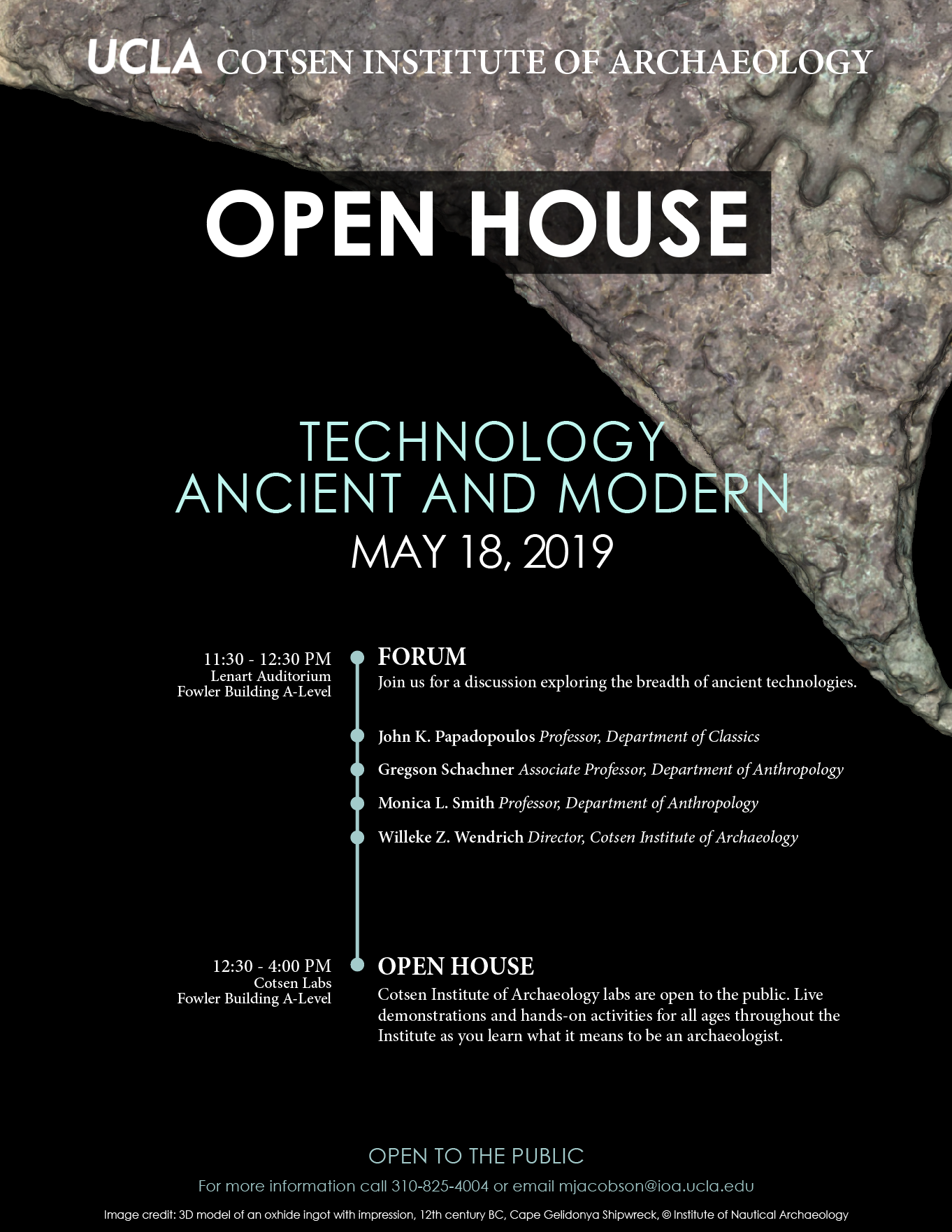
The Annual Cotsen Institute of Archaeology Open House will take place on
May 18, 2019 from 11:30 to 4:00pm
with the theme
Technology: Ancient and Modern
Explore the breadth of ancient technologies through a mosaic of talks by Drs. John K. Papadopoulos, Gregson Schachner, Monica L. Smith, and Willeke Wendrich. Then visit the labs within the Cotsen to learn more and see these technologies up close!
Contact Michelle Jacobson
Email mjacobson@ioa.ucla.edu
Phone
- ‹ previous
- 29 of 52
- next ›