


Past Events
Interested in Cotsen events? Sign up for our mailing list.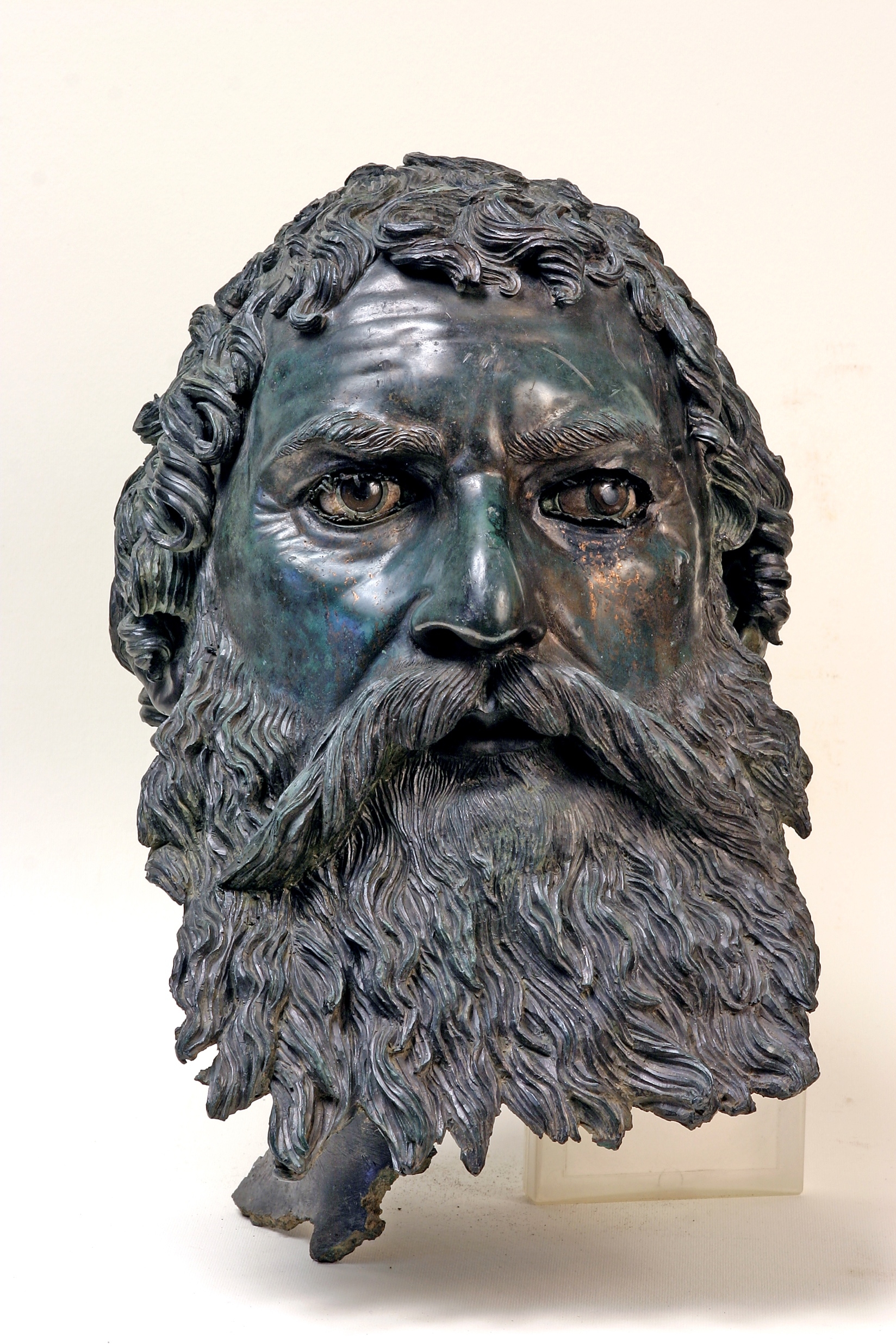
Ivan Vasilev
Founder and CEO
Balkan Heritage Foundation
ABSTRACT:
Occupying the eastern part of the Balkans along the Western Black Sea shore, Bulgaria has a rich and diverse archaeological heritage. Within its borders are the remains not only of the early humans and Neolithic farmers, but also of the arguably Europe’s oldest civilization dating to the 5th millennium BCE. A very significant share of the country’s archaeological heritage belongs to the civilizations of the ancient Thracians, Greeks, Macedonians and even Persians as well as Celts, Romans, Byzantines, medieval Bulgarians and Ottomans. The country has more than 150,000 registered archaeological sites, thousands of historic sites and millions of archaeological artifacts kept in around 300 museums and collections, which means Bulgaria ranks with Greece, Italy and France as Europe’s archaeologically richest countries.
Bulgaria’s archaeological heritage received the interest of European scholars in the second half of the 19th century, not much before the country received autonomy from the Ottoman Empire in 1878. However, the beginning of the archaeological investigation in the country dates to both decades around the turn of the century (1890s-1900s). It was encouraged and supported backed-up and triggered by the development of relevant research and museum infrastructure across the country. The National Archaeological Museum was established in 1892 and the Bulgarian Archaeological Society (later National Archaeological Institute) was established in 1901.
Archaeologists have been unearthing the evidence about the past of these lands for more than a century. The current presentation will review their greatest achievements and discoveries while introducing the country’s rich potential for research. It will start with a review of the finds from Kozarnika Cave - one of the earliest Paleolithic sites in Europe, the “world’s oldest gold” found in Varna and the richest collection of Attic vases outside Athens. Then it will highlight treasures and tombs of Thracian royalty along with important monuments and cities of ancient Greeks, Romans, Byzantines and medieval Bulgarians.
Contact Sumiji Takahashi
Email sutakahashi@ioa.ucla.edu
Phone 310-825-4169
Dr. Avinoam Shalem
Department of Art History and Archaeology
Columbia University
Abstract:
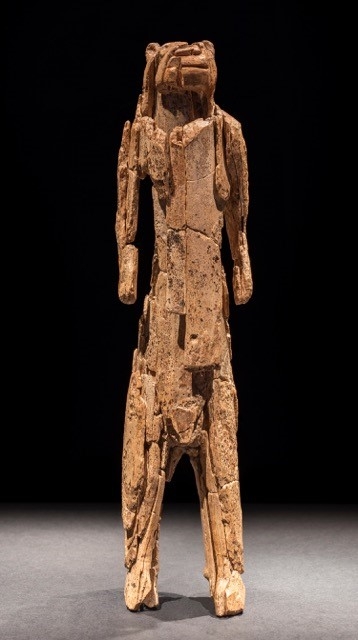
In this lecture, I would like to challenge the specific art historians’ interest in the question of the earliest and the first-in-sequence work of art. My inquiry does not aim at disregarding this query as a legitimate one or criticizing the art historian’s obsession with this mode of investigation. On the contrary, I would like to ponder on the benefit that art historians gain from locating specific art works as the earliest or the first of their kind. Moreover, I would like to disclose the historical trajectory of this method, namely the first medieval scholarly quests for defining and demarcating the earliest. Thus, my aim is to set this mode of research in its historical context and, hopefully, raise further critical points about our regarding of this approach as scholarly method, for its bad and good reasons alike.
Contact Sumiji Takahashi
Email sutakahashi@ioa.ucla.edu
Phone 310-825-4169

Dr. Jonathan Ashley-Smith
Getty Conservation Guest Scholar
Abstract:
This presentation will discuss the inevitability of prediction in conservation activities.
Routine activities such as condition assessment and risk assessment rely on the ability to
predict future environments and future physical and chemical states of objects. Yet for the
results to be useful they have to be presented as positive statements that hide the huge
uncertainties in such predictions. Codes of conservation ethics imply predictions about the
future behaviours of people and objects. Despite the inherent uncertainties of such
predictions, such codes have become the bedrock of the conservation profession.
Contact Sumiji Takahashi
Email sutakahashi@ioa.ucla.edu
Phone 310-825-4169
Christopher Donnan, Ph.D.
UCLA Professor Emeritus
Abstract:
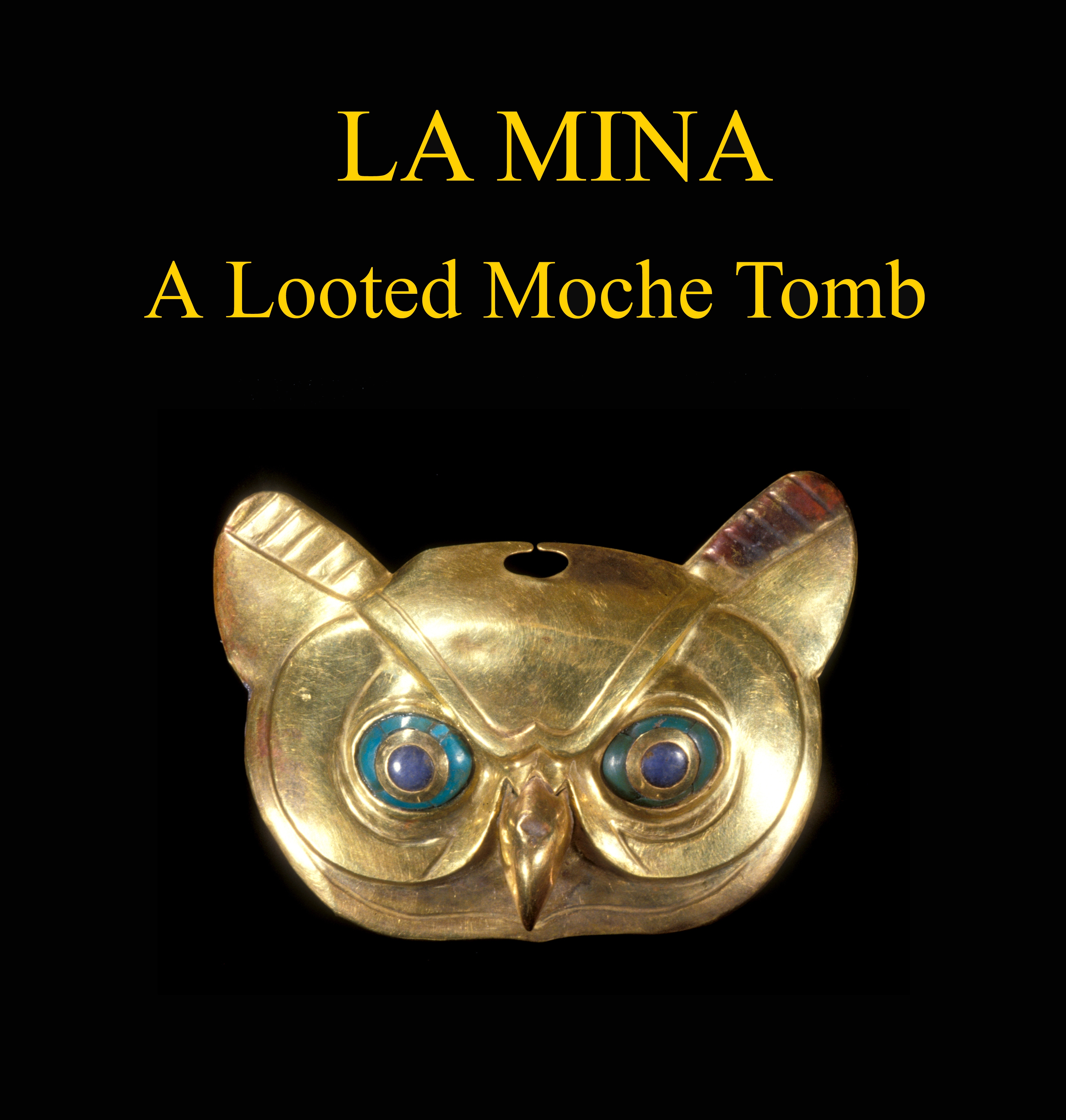
This talk focuses on an extraordinarily rich Moche tomb that was looted on the north coast of Peru, the efforts that were made to record the objects that came from it, and how it was possible to learn about its location, construction, and embellishment.
Contact
Email sutakahashi@ioa.ucla.edu
Phone 310-825-4169
 Dr. Leigh Lieberman
Department of History
Claremont McKenna College
Abstract
In recent years, the study of ancient artifacts has moved beyond straightforward typologies, descriptions, and quantifications. New approaches to the analysis of material culture - including methods of geospatial referencing, artifact agency, object biography, and statistical analysis of large datasets - have drawn attention to the myriad ways in which objects could be used and reused, deposited and redeposited in the ancient world. These new approaches have consequently given new life to materials that have been long overlooked in busy storerooms, from iron nails to loom weights, from ceramic wasters to unidentifiable coins. However, no matter the classification method, scholars still by and large fail to situate all the artifacts from a site fully within their archaeological contexts, a term that is frequently discussed in published reports but often thoroughly misunderstood. In both excavation publications and museum displays, the intended use of an object is almost always prioritized when in fact a contextual approach to the study and presentation of artifacts and assemblages can better illustrate the multiple, varied roles that objects served in the ancient world.
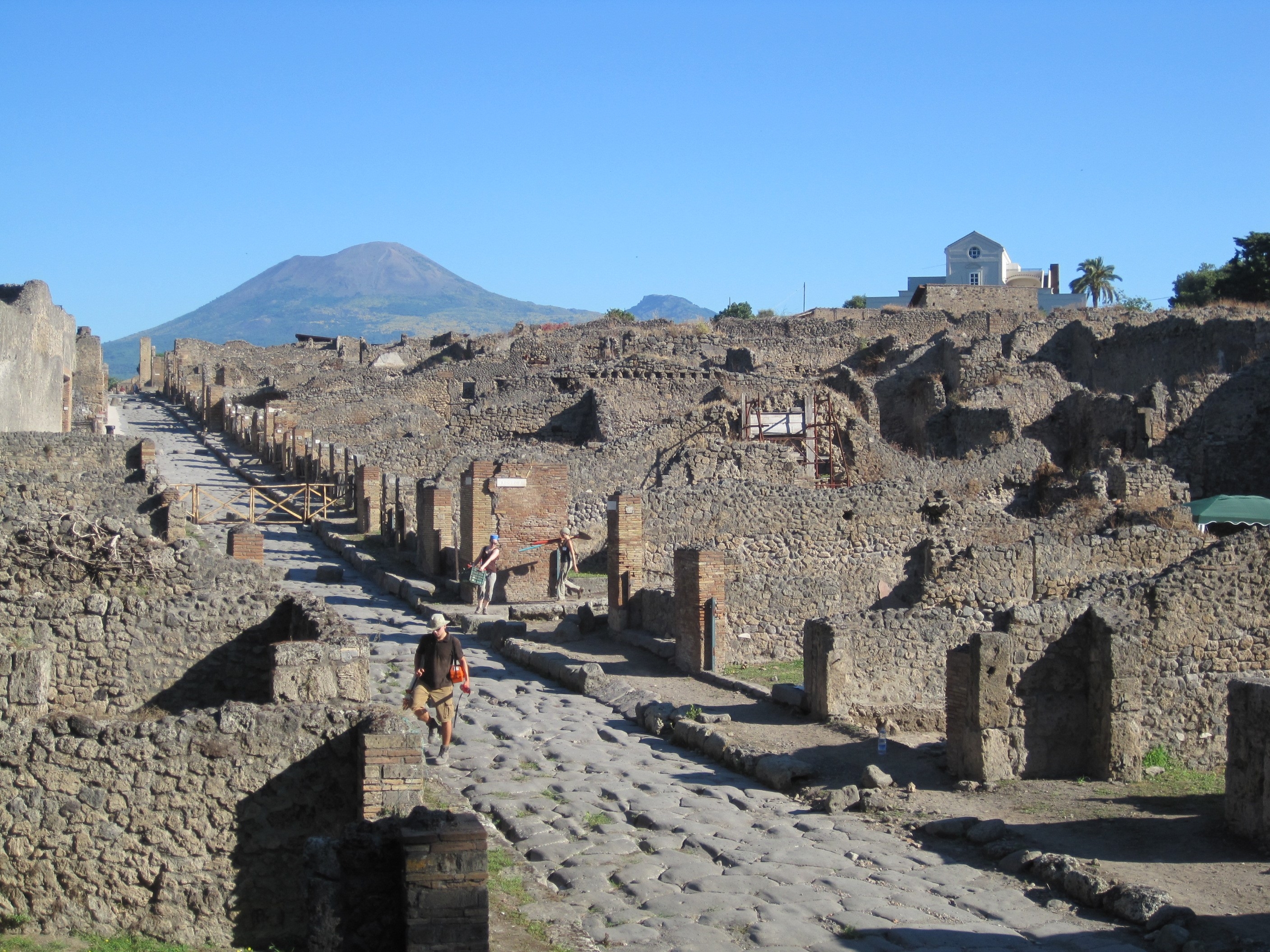
As the Manager of Data and Information Resources for the University of Cincinnati's Pompeii Archaeological Research Project: Porta Stabia (PARP:PS), the Data Supervisor for the American Excavations at Morgantina: Contrada Agnese Project (AEM:CAP), and the Head of Materials for the University of Cincinnati’s Tharros Archaeological Research Project (TARP), I have facilitated the development of a robust data organizational scheme that guides our innovative approach to material culture. I argue that by prioritizing context in the analysis of artifacts and assemblages, we can come to a more nuanced interpretation of how everyday objects were used, discarded, and recycled in urban spaces in antiquity. In my presentation, I’ll be highlighting some of the important lessons that I have learned along the way.
Contact
Email sutakahashi@ioa.ucla.edu
Phone 310-825-4169
Gregson Schachner & Reuven Sinensky
Abstract:
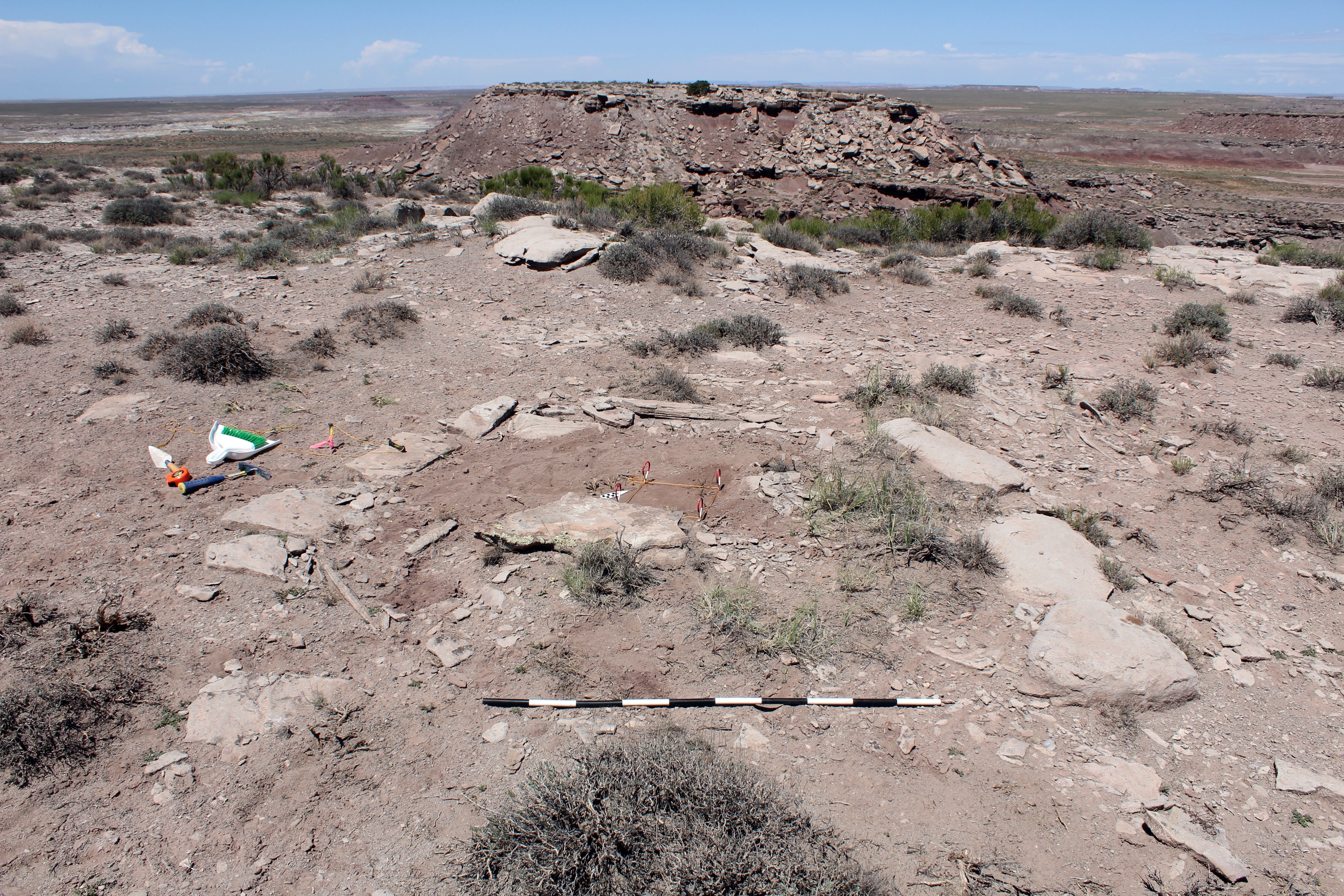
Ancestral Pueblo communities in the American Southwest underwent dramatic transformations in the mid-1st millennium AD, including rapid population growth and the widespread adoption of social structures that remained in place over the next millennium. We explore to two key moments in this process: the widespread adoption of sedentary agriculture in the mid-6th century and the founding of the earliest aggregated villages during the 8th century. While the former transition is marked by abrupt changes in architecture, storage facilities, and technological traditions region-wide, the latter displays remarkable diversity. Drawing on recent excavations and high quality chronometric and paleoclimate data, we suggest that a severe climatic downturn brought about by a series of massive volcanic eruptions is in part responsible for the abrupt changes associated with the onset of the Neolithic Demographic Transition in the northern Southwest during the mid-AD 500s, while a myriad of entangled economic and social factors contributed to the formation of early population aggregates a little over a century later.
Contact Sumiji Takahashi
Email sutakahashi@ioa.ucla.edu
Phone 310-825-4169

Savino di Lernia
Director, The Archaeological Mission in the Sahara
Director, The Archaeological Mission in the Kenyan Rift Valley
Sapienza University of Rome, Italy
Abstract
Climate changes are a serious threat to cultural and natural heritage. Although many contexts are today seriously endangered, recent studies highlight how “archaeology and cultural heritage threatened by anthropogenic climate change are not just victims but part of the solution” (Hambrecht & Rockman, 2017. American Antiquity). Long-term archaeological projects could provide evidence to better understand the nature of the relations between climatically driven environmental changes and social trajectories. Aim of this talk is to present a synthesis of the main Holocene climate and environmental variations from a privileged geographical context – the central Sahara, where the magnitude of these changes was huge –, with a special focus on the Tadrart Acacus and Messak region (SW Libya). Here, cultural and social trajectories go together with resilient mechanisms of adaptations. Archaeological evidence reveals that social strategies were pivotal in coping with environmental changes. Although it is certainly true that climate changes are in fact central elements in cultural trajectories, in the past as today, this is even truer for marginal ecosystems such as the changing landscapes of the Holocene central Sahara. However, the continuity of many cultural practices until historical times and even later shows how the Saharan tradition is indeed an extraordinary way of life that deserves specific attention.
Contact Sumiji Takahashi
Email sutakahashi@ioa.ucla.edu
Phone 310-825-4169
Jonathan Winnerman
Lecturer, UCLA Department of Near Eastern Languages and Cultures
ABSTRACT:
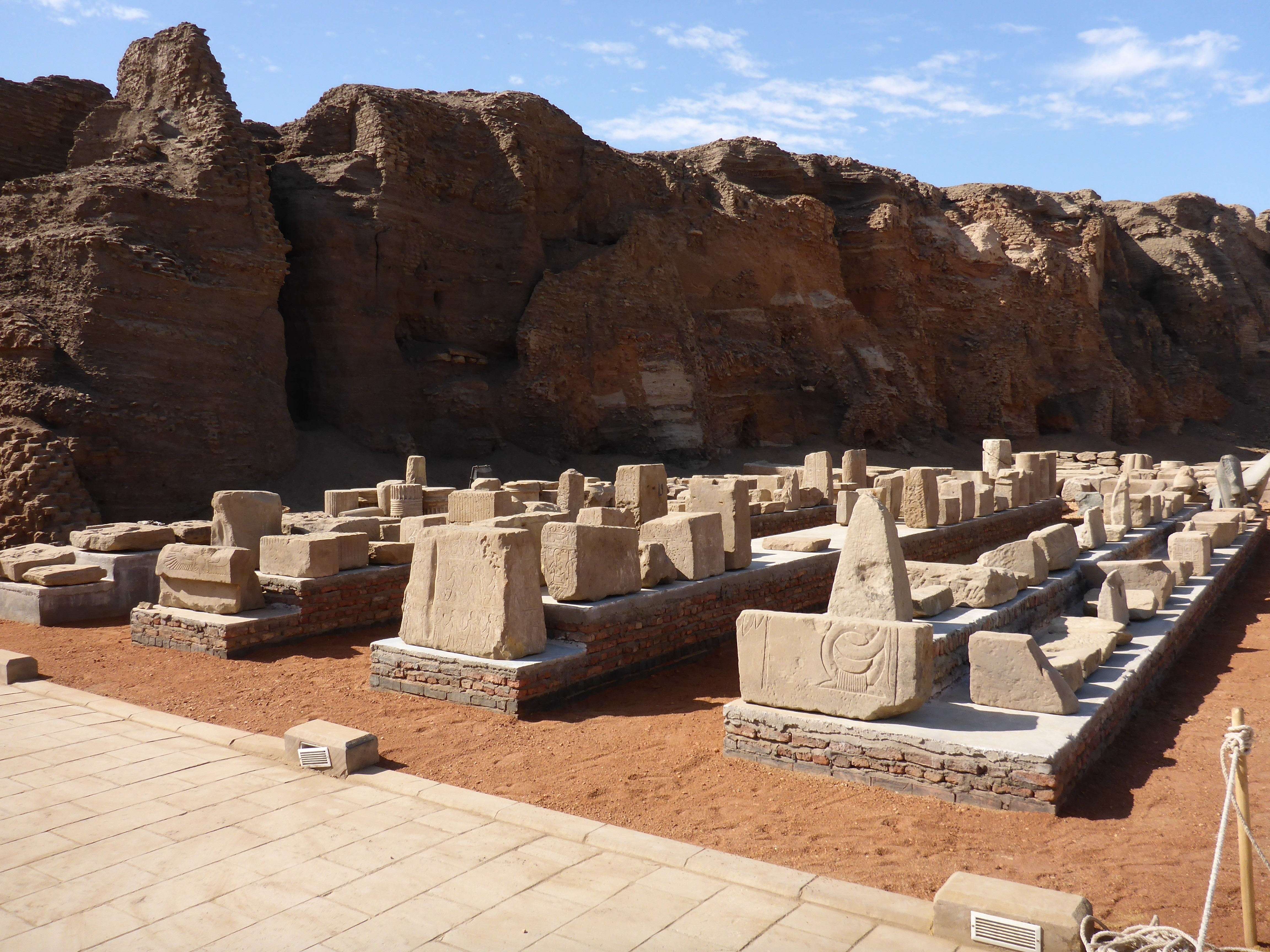
Begun in 2012, the goal of the Block Yard Project at Tell Edfu is to organize, conserve, and document the wealth of epigraphic material discovered in the settlement site to the west of the well-known Ptolemaic temple. Prior to the present study, many of the objects were simply abandoned at the base of the site, deemed unworthy for inclusion in a museum by early excavators. Yet, these objects reveal a great deal about Egyptian religious practices, especially in the community outside of the temple itself. This talk first discusses epigraphic methodology and the options available for the documentation of this or other, similar material. It next provides an overview of some of the most interesting results, focusing specifically on the remains of a distinctive structure of unknown design and purpose.
Contact Sumiji Takahashi
Email sutakahashi@ioa.ucla.edu
Phone 310-825-4169
 Early globalization? Isotopic evidence of food practices in Prehistoric Italy
Mary Anne Tafuri
Department of Environmental Biology, Sapienza University of Rome
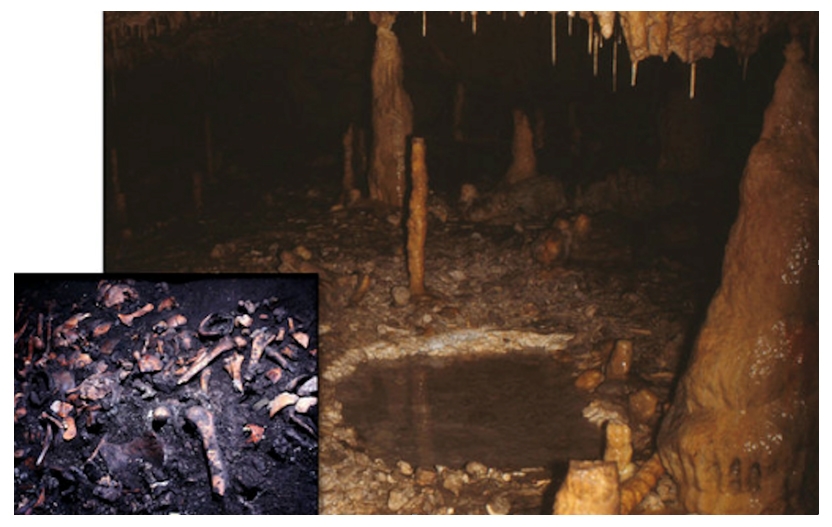
The cultural and social importance of food goes far beyond the mere necessity of nutrition, yet archaeologists have been slow to tackle issues of the sociality of food in prehistory. This is a great loss particularly as the economic transformations, which structured human diet took place in prehistory. One reason for lack of attention to this question has been limited methodologies for investigating not only what foods were produced but also exactly what foods people consumed.
The increasing application of biomolecular investigations of skeletal tissues offers an exceptionally valuable approach for directly assessing aspects of an individual’s life, including their diet, geographical origin as well as the climate they inhabited.
In the Central Mediterranean a number of important economic questions can be addressed through isotopic investigations: we can explore the balance between plant and animal sources of food in the diet of prehistoric people and how this change between the onset of the Neolithic (ca. 6000 BC) and the end of the Bronze Age (ca. 900 BC). We can assess the relative contribution of marine resources to diet the Central Mediterranean and, further, we can identify mode and tempo for the use of new foods.
This talk will present new isotopic data on a large set of sites from prehistoric Italy that span from the earliest phases of the Neolithic to the later Bronze Age. A pattern of great complexity emerges, showing profound differences between the northern and southern regions of the Peninsula, which can be associated with environmental aspects but mostly should be interpreted as different cultural practices across space and time.
Contact Sumiji Takahashi
Email sutakahashi@ioa.ucla.edu
Phone 310-825-4169
 Felipe Rojas Silva
Assistant Professor of Archaeology and the Ancient World and Egyptology and Assyriology
Brown University
Contact
Email sutakahashi@ioa.ucla.edu
Phone 310-825-4169
- ‹ previous
- 14 of 23
- next ›