


Past Events
Interested in Cotsen events? Sign up for our mailing list.Panelists: Julia M. Brennan (Senior Consulting Conservator, Caring for Textiles); Annissa M. Gultom (Director, National Museum of Ras Al Khaimah, UAE); Lilian García Alonso-Alba (Conservation Scientist/Professor, Escuela Nacional de Conservación, Restauración y Museografía, Mexico); Mohd Syahrul bin Ab Ghani (Curator, Division of Research and Documentation, Department of Museums Malaysia, Ministry of Tourism, Arts and Culture Malaysia)
Moderator: Linh Anh Moreau (SEAMEO SPAFA)
November 11, 2020, 6:00 PM (PST) / November 12, 2020, 10:00 AM (TWN)
Webinar Series: Indigenous Peoples, Heritage and Landscape in the Asia Pacific: Knowledge Co-Production, Policy Change, and Empowerment
Southeast Asian traditional textiles are world renowned and valued as expressions of cultural identity, from the weaving and dyeing processes to the symbolism of their aesthetics and uses. However, local knowledge and actual methods to preserve such deterioration-prone organic material is an under-studied field. To identify tropical-climate appropriate, locally sourced, sustainable, and cost-effective methods that can be adopted by local practitioners working in the preservation of traditional textiles, SEAMEO SPAFA collaborated with local researchers on a region-wide project to collect, document, and compile invaluable indigenous knowledge on caring for textiles. Data collected includes plant materials and methods for wet cleaning, dry cleaning, stain removal, insect mitigation, storage, and associated spiritual beliefs. A first study of its kind, it brought together a dynamic group of textile professionals, museum experts, conservators, historians, scientists, and anthropologists, eager to research, chronicle and learn more about their own national and indigenous practices – before the knowledge is lost.
For more information about the event and panelists, visit the event site.
Contact Madeleine Yakal
Email communityengagedresearch@gmail.com
Phone
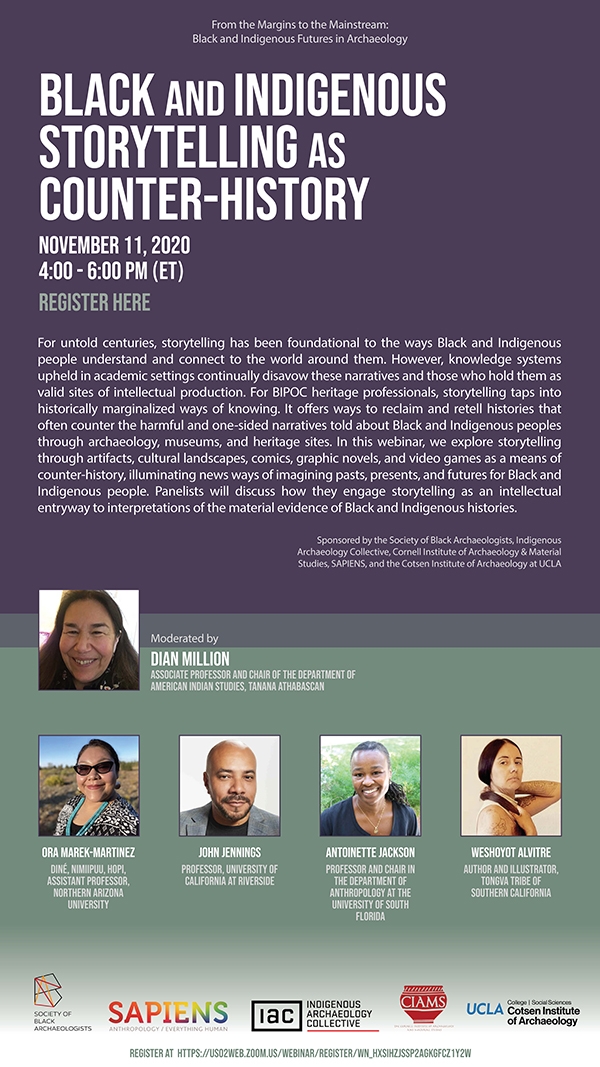
For untold centuries, storytelling has been foundational to the ways Black and Indigenous people understand and connect to the world around them. However, knowledge systems upheld in academic settings continually disavow these narratives and those who hold them as valid sites of intellectual production. For BIPOC heritage professionals, storytelling taps into historically marginalized ways of knowing. It offers ways to reclaim and retell histories that often counter the harmful and one-sided narratives told about Black and Indigenous peoples through archaeology, museums, and heritage sites. In this webinar, we explore storytelling through artifacts, cultural landscapes, comics, graphic novels, and video games as a means of counter-history, illuminating news ways of imagining pasts, presents, and futures for Black and Indigenous people. Panelists will discuss how they engage storytelling as an intellectual entryway to interpretations of the material evidence of Black and Indigenous histories
November 11th from 4-6 pm ET / 1-3 pm PT
Register here: https://us02web.zoom.us/webinar/register/WN_HXSihZjSSP2AgkgFCz1y2w
Contact
Phone
Artur Petrosyan
Archaeologist, Researcher, Department of Early Archaeology
Institute of Archaeology and Ethnography, National Academy of Sciences Republic of Armenia
November 6th 2020 12:00pm PT (contingent on the developing situation in Armenia)
Register here
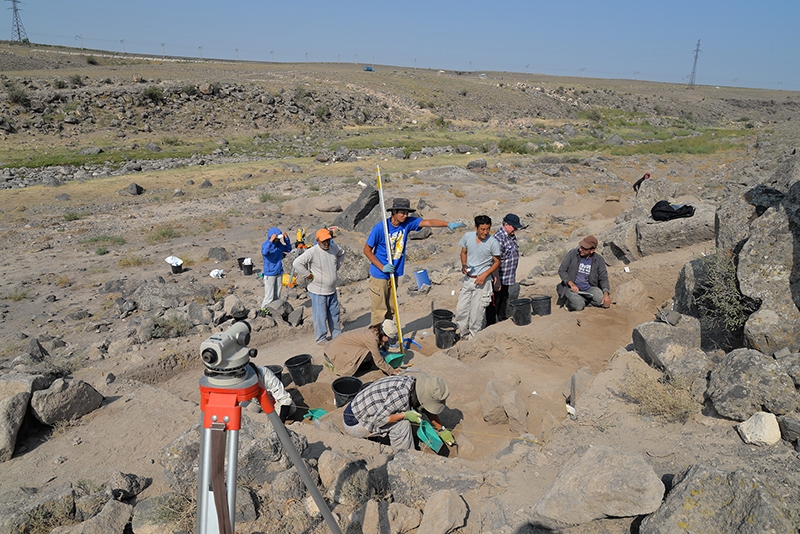
Until recently the Early Holocene sites of the Kura and the Araxes river basins were not known and the question of Neolithization in the region were based on the study of Late Neolithic-Chalcolithic settlements grouped into the “Aratashen-Shulaveri-Shomutepe” tradition, located in valleys and plains. Fieldwork activities implemented during last 20 years led to the discovery of series of Old and Early Holocene sites in Armenia, Georgia and Azerbaijan including a stratified cave and rock-shelter as well as open-air sites and settlements, filling the gap between the 10th and early 6th millennium BC. While excavations and research of the Early and Middle Holocene sites continues, the accumulated information to date allows us to look at the process of Neolithization in the Kura and the Araxes river basins from a new perspective. The data suggests dividing the Early Holocene archaeological sequence into two chronological groups or steps. Group 1/Step 1 with chronometric dates between 10.000 – 7300 Cal BC is described by seasonal hunting and habitation camps on higher elevations organized inside caves and rock-shelters in combination with built structures in front of them as well as short-term open-air activities. Some shifts in the economic lifeways and technological production of tools (so-called “apnagyugh” tools) is obvious even though many similarities can be noticed with the lifestyle of the Late Pleistocene hunter-gatherers. Group 2/Step 2 span between 7300 – 6200 Cal BC, when the first settlements and sites with ritual function appeared, in parallel with the cave sites. New data indicate that the origin of the early farming culture in the Araxes River valley is local even though there is noticeable influence from the southern cultural centers.
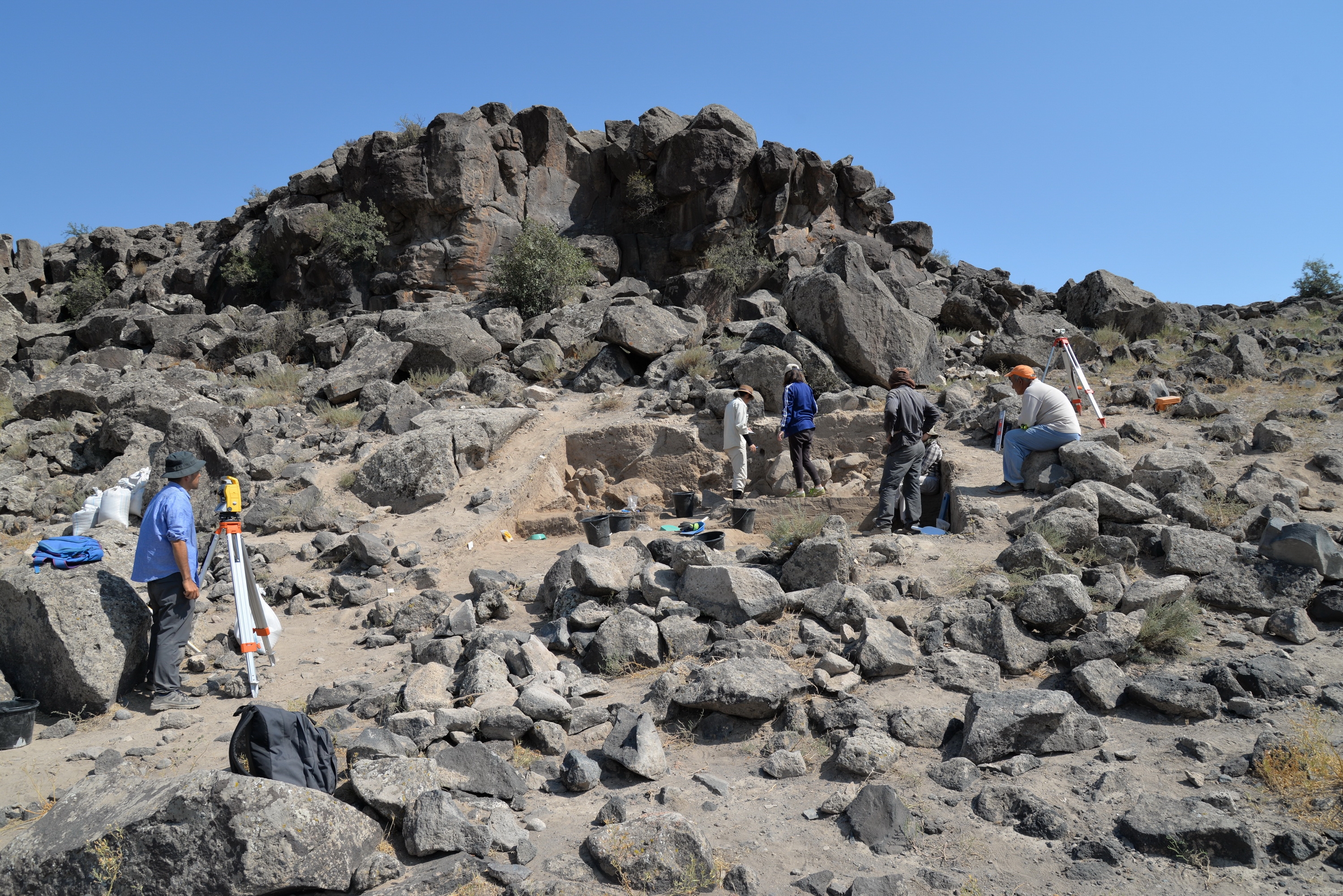
Artur Petrosyan received his PhD at the Institute of Archaeology and Ethnography of NAS RA in 2010, where he has worked since 2007 as an Archaeologist and Researcher. He has participated in a number of archaeological expeditions in Armenia, Italy (Calvatone, Sassofortino) and UAE (Vadi al Hello). Currently he is the co-director of Armenian – Italian, Armenian – Japanese, Armenian – German and Armenian – Chinese expeditions in Kotayk, Vayots Dzor, Ararat and Armavir regions of Armenia. Petrosyan has published extensively.
Contact Michelle Jacobson
Email mjacobson@ioa.ucla.edu
Phone
Panelists: Teddy Baguilat (Indigenous Conserved Communities Areas); Awi Mona (National Taiwan University); Claire Charter (University of Auckland)
Moderator: Marcelle Burns (University of New England)
November 4, 2020, 6:00 PM (PDT) / November 5, 2020, 10:00 AM (TWN)
Webinar Series: Indigenous Peoples, Heritage and Landscape in the Asia Pacific: Knowledge Co-Production, Policy Change, and Empowerment
The United Nations Declaration on the Rights of Indigenous Peoples was ratified in 2007. It was a product of a long and slow process that started in 1982 with the establishment of the UN Working Group on Indigenous Populations. A draft declaration was submitted in 1994, which became the basis for several state parties establishing statutes on the rights of Indigenous populations. In the Asia Pacific, countries that have a long history of colonialism adopted measures to provide some form of redress to the injustices received by Indigenous groups. These statutes were based on the 1994 draft declaration, which predated the UN Declaration on the Rights of Indigenous Peoples as well as local regulations. In this panel, we discuss various issues that Indigenous groups have experienced since the ratification of Indigenous Peoples rights laws in different countries. We provide examples from Australia, New Zealand, Philippines, Taiwan, and Cambodia. The panel discusses how these laws have empowered Indigenous groups and how the lessons from the last 20 years could help strengthen these statutes.
For more information about the event and panelists, visit the event site.
Contact Madeleine Yakal
Email communityengagedresearch@gmail.com
Phone
Panelists: Teddy Baguilat (Indigenous Conserved Communities Areas); Awi Mona (National Taiwan University); Claire Charter (University of Auckland)
Moderator: Marcelle Burns (University of New England)
November 4, 2020, 6:00 PM (PDT) / November 5, 2020, 10:00 AM (TWN)
Webinar Series: Indigenous Peoples, Heritage and Landscape in the Asia Pacific: Knowledge Co-Production, Policy Change, and Empowerment
The United Nations Declaration on the Rights of Indigenous Peoples was ratified in 2007. It was a product of a long and slow process that started in 1982 with the establishment of the UN Working Group on Indigenous Populations. A draft declaration was submitted in 1994, which became the basis for several state parties establishing statutes on the rights of Indigenous populations. In the Asia Pacific, countries that have a long history of colonialism adopted measures to provide some form of redress to the injustices received by Indigenous groups. These statutes were based on the 1994 draft declaration, which predated the UN Declaration on the Rights of Indigenous Peoples as well as local regulations. In this panel, we discuss various issues that Indigenous groups have experienced since the ratification of Indigenous Peoples rights laws in different countries. We provide examples from Australia, New Zealand, Philippines, Taiwan, and Cambodia. The panel discusses how these laws have empowered Indigenous groups and how the lessons from the last 20 years could help strengthen these statutes.
For more information about the event and panelists, visit the event site.
Contact Madeleine Yakal
Email communityengagedresearch@gmail.com
Phone
Dr. Danielle Candelora, Assistant Professor, History Department, SUNY Courtland
Wednesday, November 4th, 12:00pm - 1:00pm PT
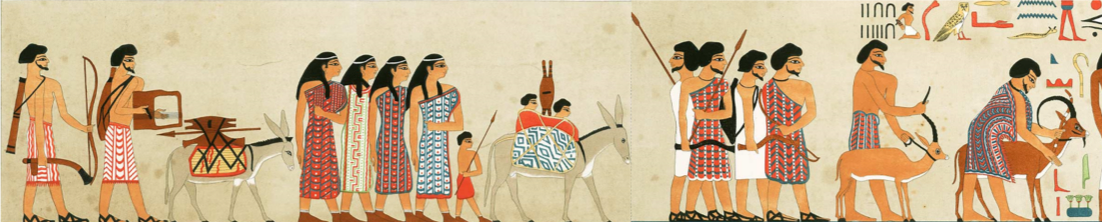
The Hyksos are often set up as the boogeymen of ancient Egypt - after a violent invasion, these foreign despots ruled the North of Egypt with an iron first, while a native Egyptian family in the South fought for Egypt's liberation. However, archaeological investigation and the reanalysis of ancient texts shows that this narrative is simply political rhetoric created by the Egyptian kings to legitimize their own rule. In reality, the Hyksos were creatively strategic about the display of various aspects of their identities. To become fully Egyptian was never the goal; instead they actively maintained and advertised elements of their origins in order to support their ties to kinship and trade networks in West Asia. These kings were cosmopolitan diplomats who corresponded with much of the Near East and Eastern Mediterranean, and whose capital city was a titan of trade. They adopted and adapted elements of traditional Egyptian kingship, but negotiated these traditions with a West Asian spin, creating a rule uniquely suited to the eastern Delta. Further investigation of the social memory of these kings has even demonstrated that they were considered legitimate kings and the major power in Second Intermediate Period Egypt. In fact, the Hyksos and the West Asian immigrants of the period had a massive impact on Egyptian society, culture, and conceptions of kingship. The archetype of New Kingdom Egypt, considered the apex of ancient Egyptian society, would not have been possible without the influence of these West Asian immigrants or the rule of the Hyksos.
Register for this Cotsen Virtual Pizza Talk here! You will receive instructions on viewing the talk after registering.
Contact Sumiji Takahashi
Email sutakahashi@ioa.ucla.edu
Phone
Dr. Ziad Al-Saad
PhD, Professor of cultural heritage conservation and management at the Faculty of Archaeology and Anthropology Yarmouk University
Friday October 30th, 11:00am - 12:00pm (PT)
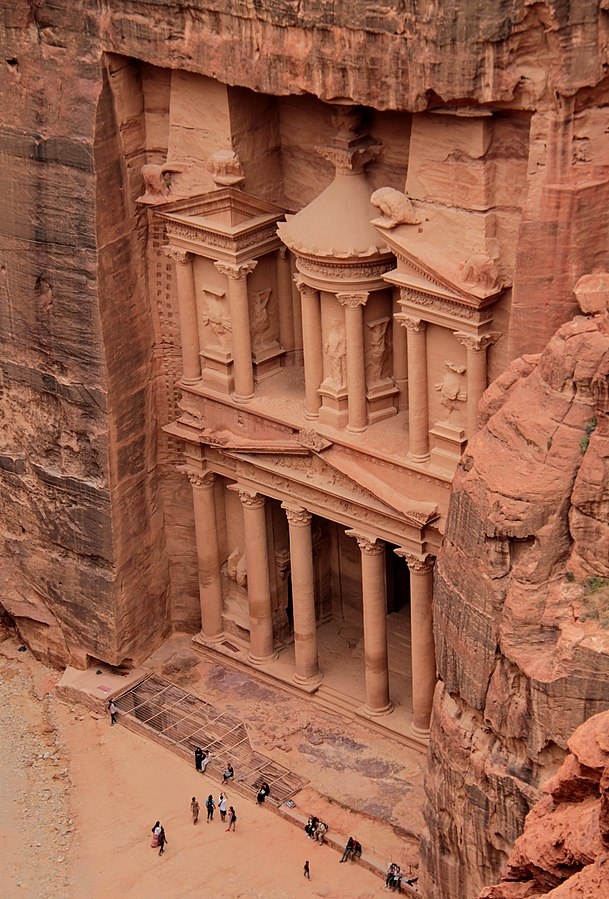 Petra has been classified as being of World Heritage standards and is included on the world heritage list.The entire site of Petra, with its 2000 listed rock-carved monuments of outstanding cultural and historical importance, is in real danger. Over the last decade the process of deterioration of the Petra monuments has dramatically increased. The destruction of the monuments is induced by a combination of natural and human factors. Weathering and erosion caused by environmental agents have caused a lot of severe damage to the monuments. The impact of weathering and eroding factors on the monumentshave been exacerbated by natural faults in the rock; infiltration of water and growth of plants in rock fissures. In addition to natural damage, cultural and socio-economic factors represent a principle threat to the integrity of the site. It is quite obvious that the monuments of Petra need an urgent care. If the deterioration processes are allowed to continue, this irreplaceable heritage will disappear and tourism, which centers on these monuments, will diminish. It is of no doubt that the conservation and preservation of Petra monuments is a very challenging and difficult task. The complexity of the situation is apparent and the efforts needed are tremendous. Different types of
 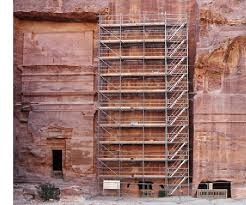 preventive and remedialmeasures are needed to be adopted and executed in order to control the fast growing threats faced by the monuments. Although preventive measures to arrest the principal causes of weathering by adopting certain actions such as repairing the ancient Nabateans hydrological system, certain remedialsteps seem to be inevitable. The fragile monuments are in bad need for consolidation to be able to resist the threat of the natural weathering. This task is the main aim of a research project that has been conducted by the Faculty of Archaeology and Anthropology at Yarmouk University in cooperation with the Bavarian State Conservation Laboratories.
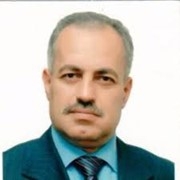 Prof. Ziad Al-Saad, Professor of cultural heritage conservation and management at the Faculty of Archaeology and Anthropology Yarmouk University; Obtained Ph.D. in conservation and archaeometry from University of London in 1992. He served as Chair of Department of Archaeology in the period 1994-1999 then became the Director of the Insitutue of Archaeology and Anthropology at Yarmouk University which he managed to transform into a full-fledged faculty in 1999 and became its first Dean for two terms until 2007. He then moved to the newly established German-Jordanian University as Vice President for Academic affairs for two years and led the university strategic planning and quality assurance programs for two years. In 2010 he returned to Yarmouk University as Vice President for Research and International Affairs. He was then appointed by the Cabinet as Director General of the Department of Antiquities of Jordan until the end of 2011 when he returned to Yarmouk University.
Prof. Al-Saad's research interest generally is in the areas of conservation and scientific analysis of archaeological materials with a particular interest in the conservation and stabilization of archaeological finds especially metallic artifacts and stone monuments. Has been actively involved in the preservation and conservation of spectacular stone-carved monuments of the Nabatean city of Petra.
Contact Jennifer McGough
Email jenmcgough@g.ucla.edu
Phone
Panelists: Oona Paredes (UCLA); Eulalie Dulnuan (Ifugao State University); Sayun Simong (Sqoyaw, Taiwan); Andrea Malaya Ragragio (University of the Philippines-Mindanao); Margaret Palaghicon Von Rotz (UC Hastings College of the Law)
Moderator: Justin Dunnavant (Vanderbilt University)
Wednesday October 28, 7:00 PM (PDT) / Thurs October 29, 10:00 AM (TWN)
Webinar Series: Indigenous Peoples, Heritage and Landscape in the Asia Pacific: Knowledge Co-Production, Policy Change, and Empowerment
Indigenous Peoples have struggled to define their identity amid the increasing pressures exerted by the larger society that aims to assimilate local cultures to develop a national identity. This is exemplified by the experiences of Indigenous groups in the Philippines and Taiwan where centuries of colonization have influenced the way they feel about themselves. In this panel, we discuss how Indigenous groups in the Philippines and Taiwan have instituted programs to define their ethnic identity in relation to the larger society. Examples that will be highlighted in the panel includes “reinvention” of culture among the Higaunon (Mindanao, Philippines), working with elders to revive traditional knowledge systems (Ifugao, Philippines), and filmmaking to document Indigenous identity (Tayal, Taiwan).
For more information about the event and panelists, visit the event site.
Contact Madeleine Yakal
Phone
Dr. Christine Lee, Assistant Professor, Department of Anthropology, California State Los Angeles
Wednesday, October 28th, 12:00pm - 1:00pm PT
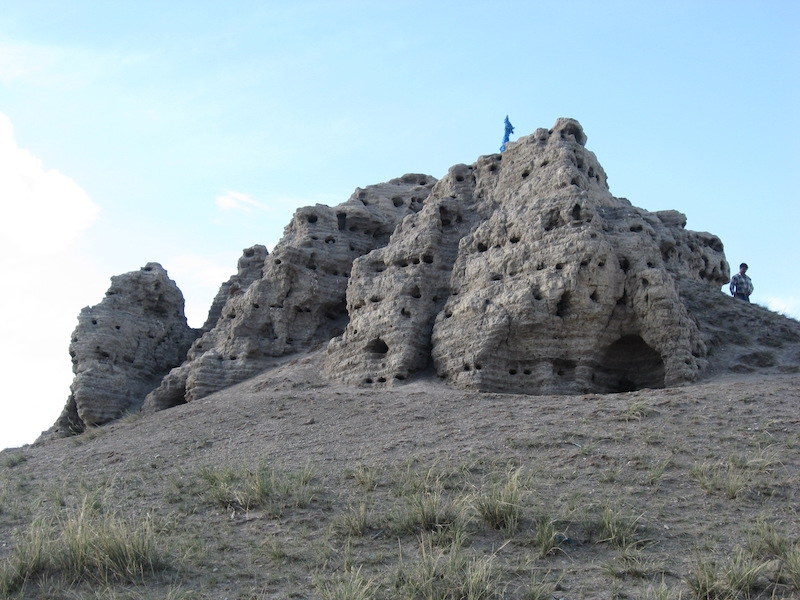
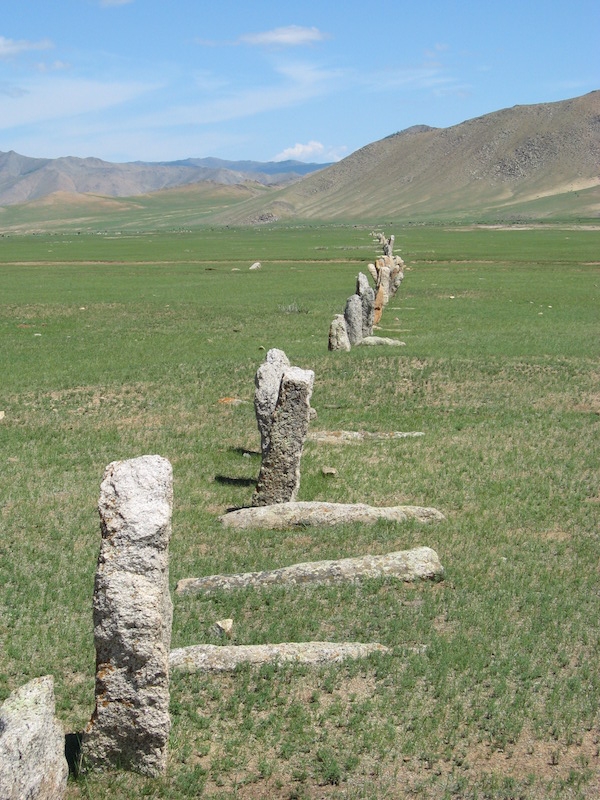 Four archaeological sites along the western frontier of China and Mongolia were analyzed for cranial trauma patterns. These patterns were then used to determine levels of violence, who were the participants, and if certain individuals were singled out as specific targets. In ancient times all of these sites were connected by the Silk Road. The sample from Yingpan (206 BC-420 AD), Yanghai (475 BC-220AD), Nileke (550-221 BC), and Chandman (700-400BC) totaled 275 individuals. Yingpan and Yanghai were agricultural oasis states in the Tarim Basin. Nileke and Chandman were nomadic pastoralists located along the Altai mountains. Trauma was recorded for location on the skull, type (blunt force, sharp force, or high velocity), and cause (interpersonal, warfare, or other). The total population percentages for trauma were Yingpan 27%, Yanghai 23%, Chandman 15%, and Nileke 20%. However, this does not give an accurate picture of the level of daily violence experienced. The likelihood of an individual experiencing a violent episode causing death or disability was highest at Chandman and the lowest at Yingpan. So how a population and it’s individuals were the perpetrators or victims of aggression needs closer examination. One site has an unusual pattern where men, women and children have broken noses. Two sites have evidence of trephination or surgery after devastating sword blows or high velocity projectiles. There is one incidence of scalping. Finally several individual had their noses cut off. This intentional mutilation of the face was a capital punishment at the time. This talk will explore what were the social and cultural factors which could have caused these specific patterns.
Register for this Cotsen Virtual Pizza Talk here! You will receive instructions on viewing the talk after registering.
Contact Sumiji Takahashi
Email sutakahashi@ioa.ucla.edu
Phone
Miqayel Badalyan
Director of the “Erebuni” Historical & Archaeological Museum-Reserve, Yerevan, Republic of Armenia.
Friday, October 23, 2020 – 12:00pm PT (contingent on the developing situation in Armenia)
Register here
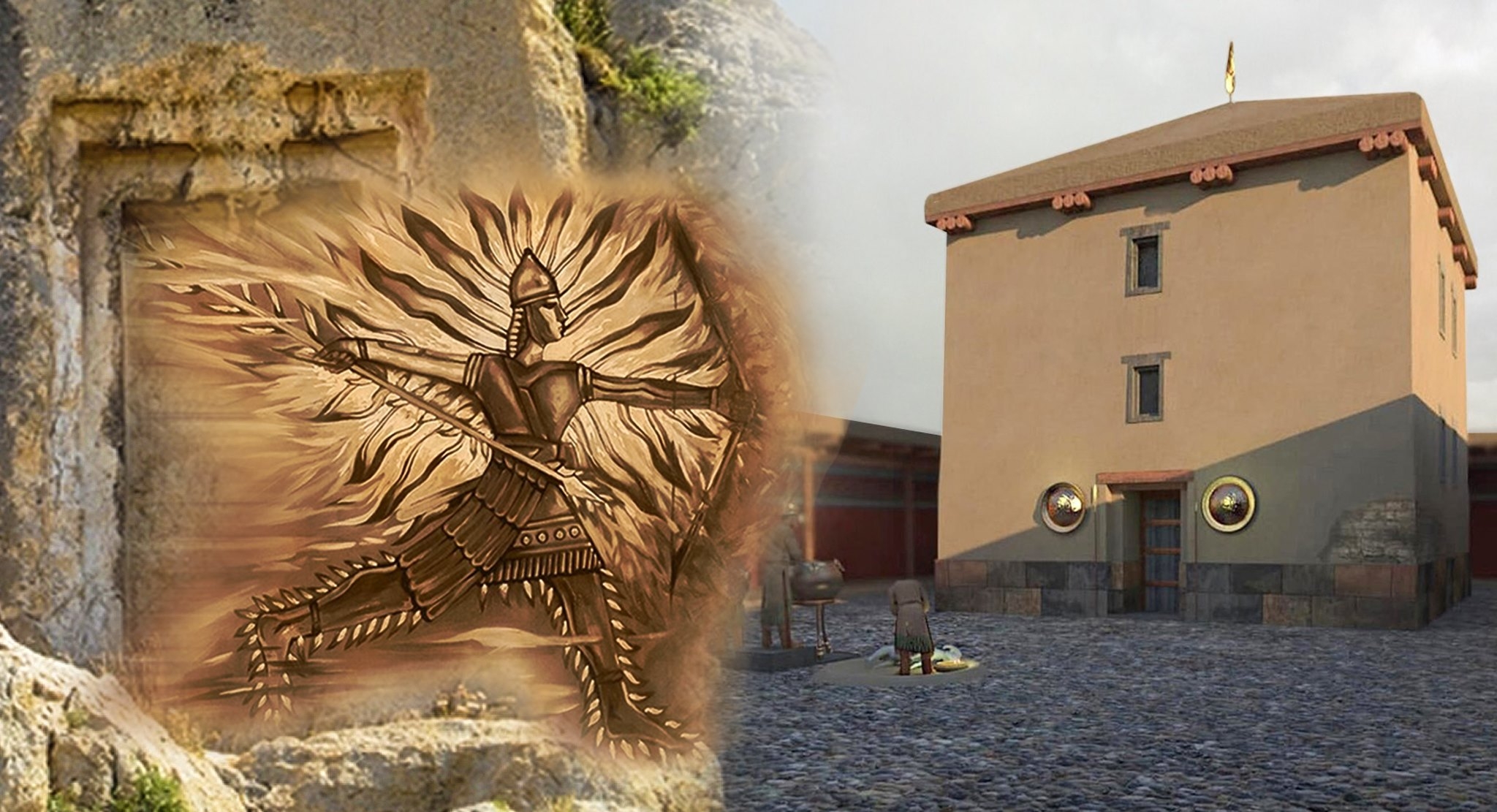
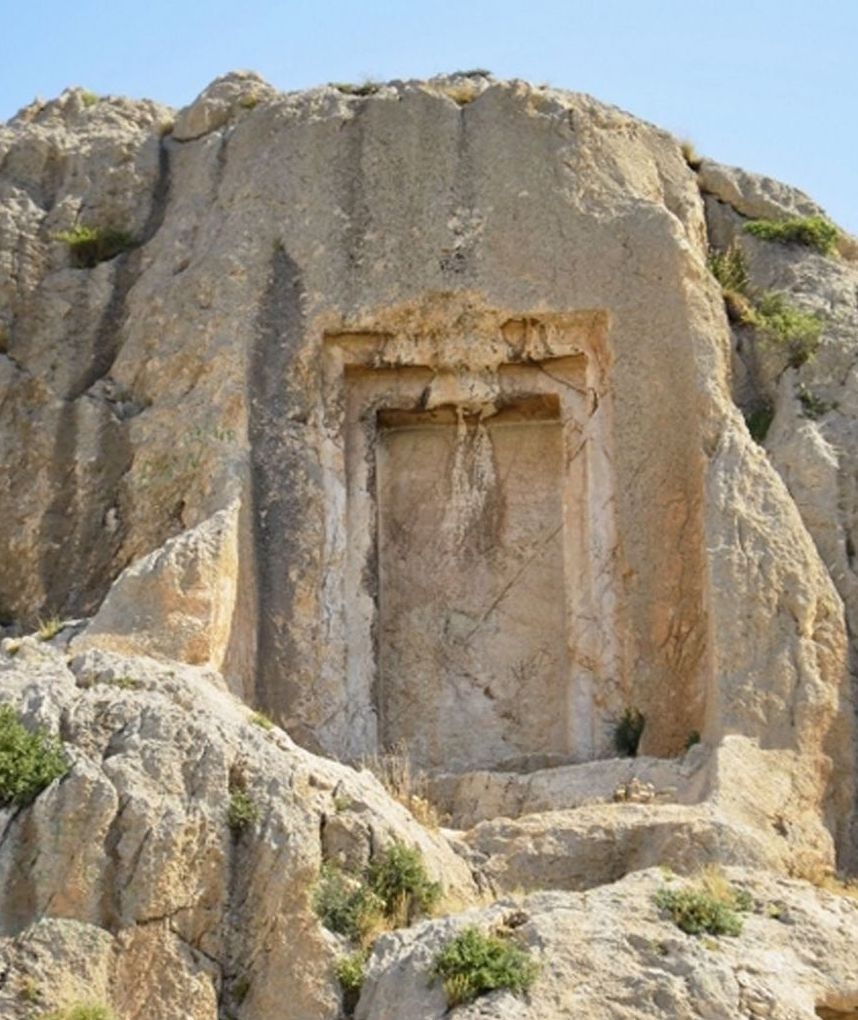
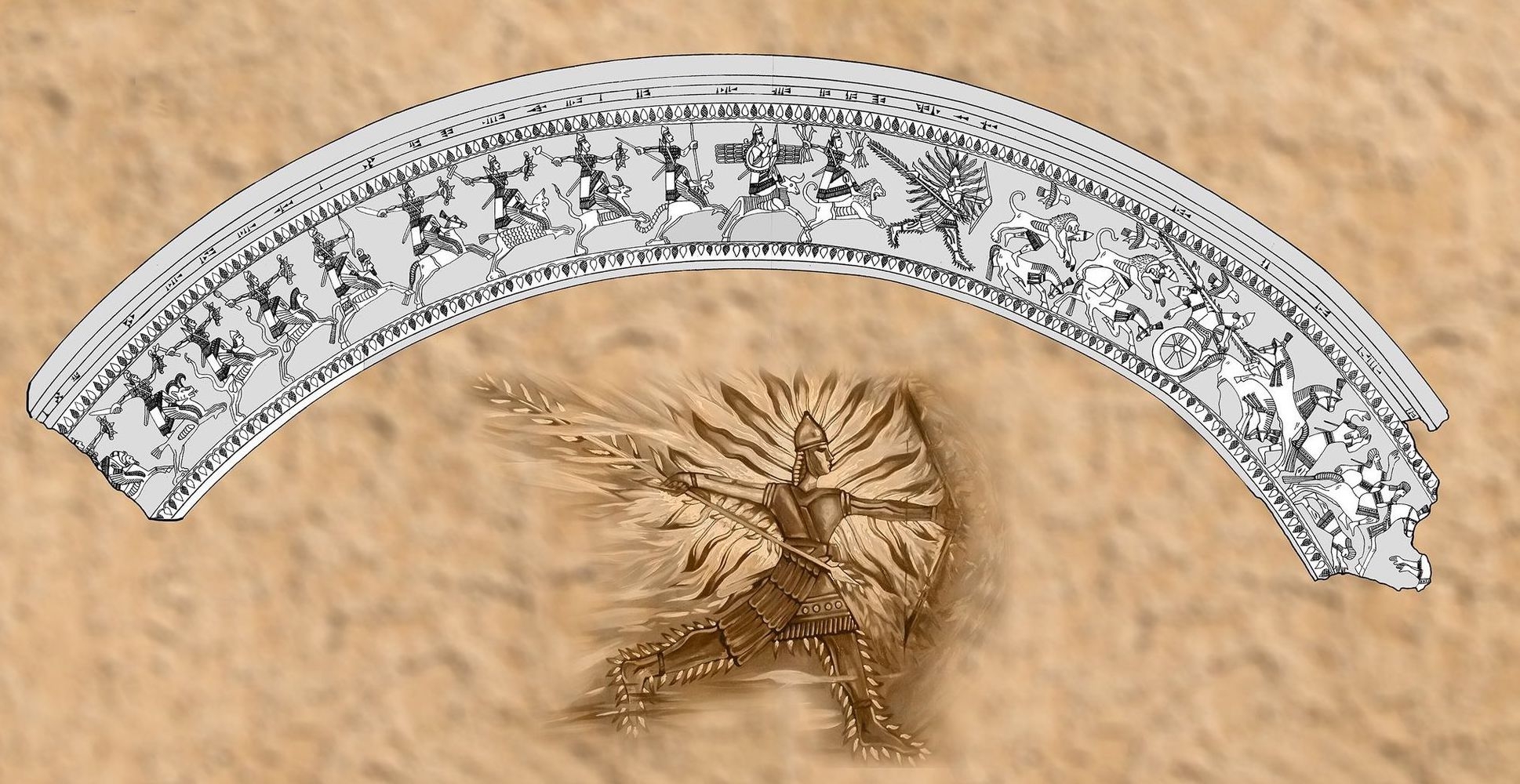
Based on archaeological data, as well as philological and visual art sources, the presentation focuses on the religious beliefs of the Urartian kingdom. In this regard, the role of religion in Urartian royal ideology, the cultic activities, symbols, and iconography of the gods of the Urartian pantheon will be discussed as well.
Contact Michelle Jacobson
Email mjacobson@ioa.ucla.edu
Phone
- ‹ previous
- 22 of 52
- next ›