


Past Events
Interested in Cotsen events? Sign up for our mailing list.Over Zoom
Panel featuring three Cotsen graduate student volunteers who described their subfields and path to graduate school followed by general Q&A
Contact
Phone
Lylliam Posadas
Friday January 29th, 11:00am - 12:00pm (PT)
Conservators can play a significant role in the repatriation process and in addressing concerns in the care of sensitive collections. Conservators and repatriation staff can work together with tribal and community representatives to address some of the unjust histories of museum acquisitions and develop new approaches for collections stewardship. Professional ethics in the conservation field,as well as technical knowledge and skill sets, can be a source of support for repatriationand ethical stewardship. Diversity, equity and inclusion (DEAI) policies and programs are critical in building systems that encourage considerate and conscientious professional practices that can support tribal and community ownership and control of collections.This program will discuss how conservators, both students and professionals, can support the repatriation of Indigenous belongings under the Native American Graves Protection and Repatriation Act (NAGPRA). It will also explore how conservators can address concerns beyond NAGPRA that are relevant to the repatriation process and experience and to the training of future generations of conservators.
 Lylliam Posadas has experience with repatriation and collaborative and community-driven research within museums, universities, and community organizations. She is interested in how institutional policies support the development and sustainability of collaborative research and collections care practices. Lylliam focuses on systemic institutional change in support of repatriation, collections care and access, representation and diversity initiatives, and the use of non-destructive and non-invasive methods of investigating community-driven research questions. She received an MSc in the Technology and Analysis of Archaeological Materials from University College London and a double BA in Anthropology and Psychology from the University of California, Los Angeles. Lylliam has participated in field research, including preservation efforts in Ghana, Peru, Louisiana, and California and also serves on several boards and committees, including the Mellon Opportunity for Diversity in Conservation. Lylliam is also involved in community-driven research, policy development, and advocacy in public health which informs her approach to heritage work

Contact Jennifer McGough
Email jenmcgough@g.ucla.edu
Phone
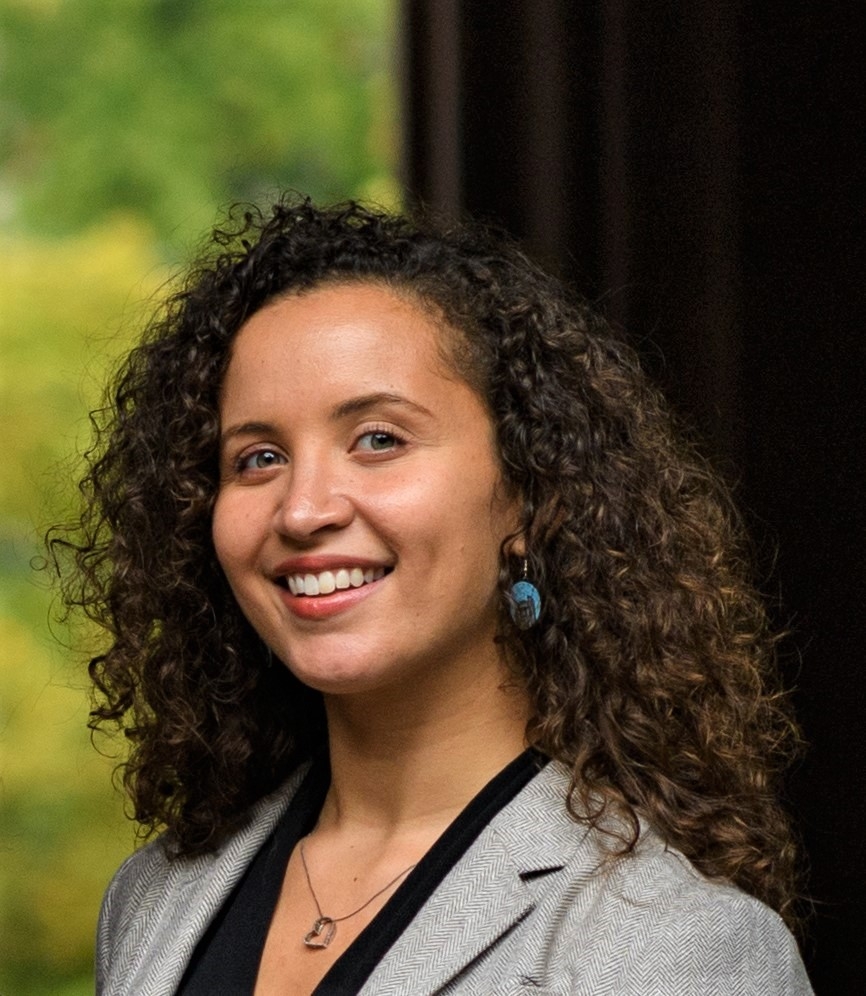
Dr. Tiffany Fryer
Cotsen Postdoctoral Fellow, Princeton Society of Fellows, Princeton University
Wednesday January 27th, 12:00pm (PT)
Register for this Cotsen Virtual Pizza Talk here! You will receive instructions on viewing the talk after registering.
Contact Sumiji Takahashi
Email sutakahashi@ioa.ucla.edu
Phone
Dr. Piphal Heng, ACLS Postdoctoral Fellow, Northern Illinois University
Tuesday, January 19, 2021 10:00 AM (Pacific Time) Zoom Webinar
“Compassion” was an instrumental state’s infrastructure in building, maintaining, and expanding Angkor’s power from the 9th through 15th centuries CE. Angkorian civilization is known for its intricately carved monumental architecture, large water reservoirs, and interconnected road and canal systems. The relative importance of religion in Angkorian state governance has been debated for more than a century: to what extent can we separate Angkorian “church” from Angkorian state? This lecture provides a background to Angkor and emphasizes two rulers. The first was Yaśovarman I (889-910 CE), who established religious foundations throughout his polity to support his population and nurture religious pluralism. Attention concentrates on Jayavarman VII (1181-1218 CE), whose embrace of Buddhism and state projects were undergirded by a commitment to compassion. His many religious foundations (temples with reservoirs, etc.) housed religious specialists, hosted universities, and served as community anchors. They also expressed state power, marked its territories, and provided myriad social services to Angkorian Khmers.
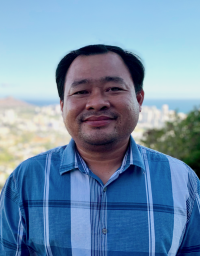
Dr. Piphal Heng is a postdoctoral fellow at the Center for Southeast Asian Studies at Northern Illinois University. He received his PhD degree in Anthropology from the University of Hawai‘i at Mānoa. Heng’s archaeological research themes include religious change, urbanism, settlement patterns, political economy, and sociopolitical organizational shift. He is also interested in the intersection between heritage management, collaborative/public archaeology, knowledge production, and urban development. His current project explores the transformation of urban and rural settlements in response to the demographic and political changes that took place with the adoption of Theravada Buddhism in Angkor (14th-18th century Cambodia).
Registration for Zoom Link:
Sponsored by the UCLA Center for Southeast Asian Studies
Contact UCLA Center for Southeast Asian Studies
Email cseas@international.ucla.edu
Phone
Brittany Cox
Horological Conservator, Memoria Technica
Friday December 18th, 11:00am - 12:00pm (PT)
In conservation there is always the question of tangible versus intangible qualities. Is one more important than the other? Should form follow function, or function follow form? If a functional object is beautifully presented and preserved, but doesn’t actually work, is it successful? The conservation of dynamic objects, especially in the case of automata and mechanical magic, confront these questions head-on. We will examine these questions by looking at a number of objects and their treatments.
 Brittany Nicole Cox founded her private conservation practice and studio Memoria Technica in 2015. Her lifelong passion for horology has seen her through nine years in higher education where she earned her WOSTEP, CW21, and SAWTA watchmaking certifications, two clockmaking certifications, and a Masters in the Conservation of Clocks and Related Dynamic Objects from West Dean College, UK. Her original work has been exhibited at the Museum of Arts and Design in New York and she is currently working on a series of bestiary automata inspired by illuminated texts and a manuscript to be published by Penguin Press.


Contact Jennifer McGough
Email jenmcgough@g.ucla.edu
Phone
Marci J. Burton, Mellon Conservation Fellow, Fowler Museum; Carlee Forbes, Mellon Curatorial Fellow, Fowler Museum; Erica P. Jones, Associate Curator of African Arts, Fowler Museum
Wednesday, December 9th, 12:00pm - 1:00pm PT
Akan-speaking communities on the Gold Coast (modern-day Ghana) have long been home to a vibrant brass-casting culture. From the 15th century, brass-casting focused on producing equipment for the local gold trade: boxes, scales, and weights. Weights cast from copper alloy, known colloquially as gold weights, were made in two varieties: smaller geometric ones seemingly used as the counterbalance for weighing gold, and figurative models that referenced Akan daily life, proverbs, and stories. In the late nineteenth and early twentieth centuries, these weights were simultaneously used to weigh gold while also exchanged as tourist souvenirs.
This presentation considers a group of 449 copper-alloy objects in the Fowler’s Sir Henry Wellcome Collection. A Fowler team has been examining these weights, their histories, material compositions, and meanings. Central to the study of these objects has been analysis with Portable X-ray Fluorescence (pXRF) to determine their elemental compositions. Furthermore, measurements of mass and analysis of modifications (additions/reductions) contribute to ongoing efforts in the field to reconstruct Akan weight-systems. The collective results provide insights to address research questions of materiality, intended use, African art markets, and colonial-era collecting.
Register for this Cotsen Virtual Pizza Talk here! You will receive instructions on viewing the talk after registering.
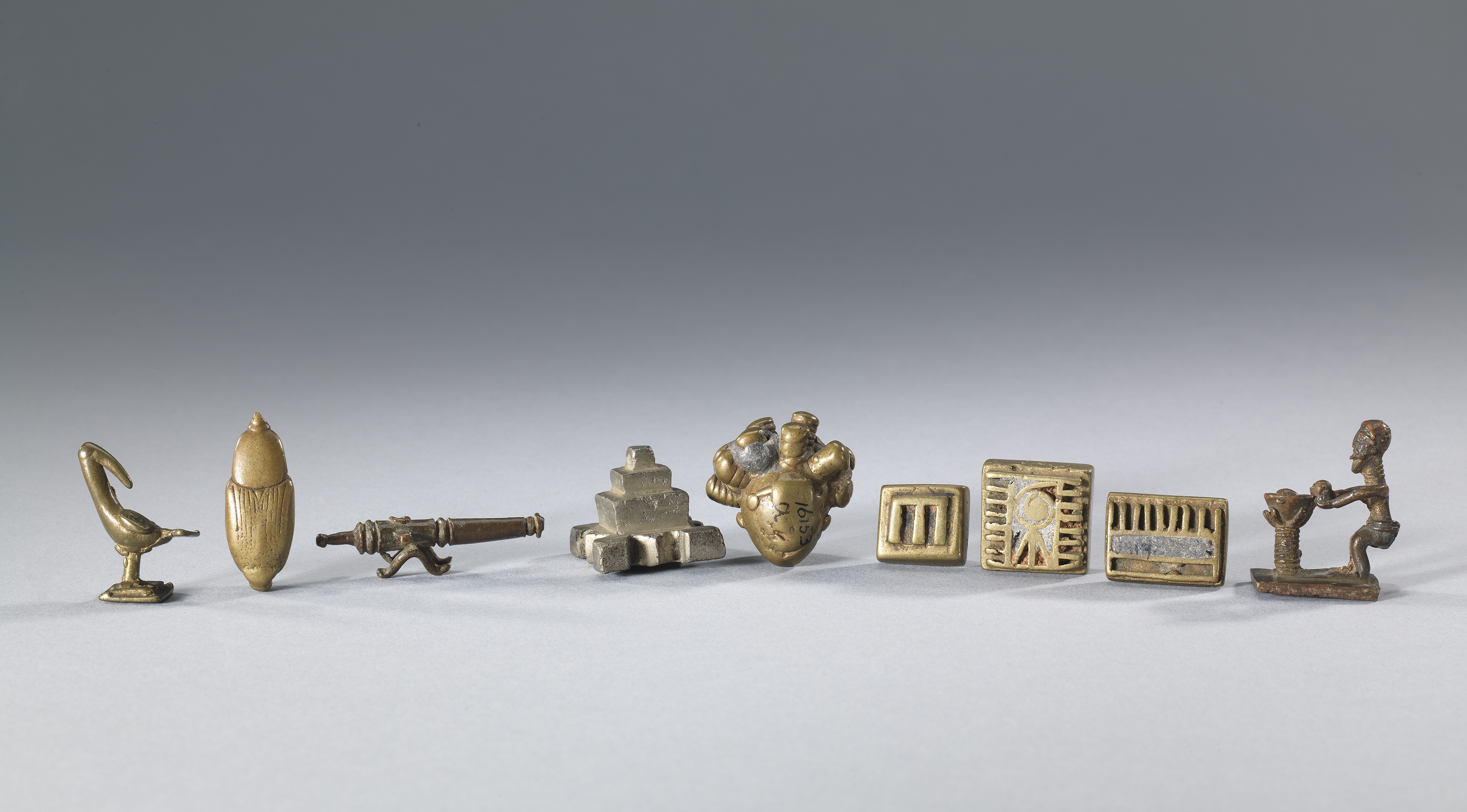
Image courtesy of Fowler Wellcome Team
Contact Sumiji Takahashi
Email sutakahashi@ioa.ucla.edu
Phone
Dr. Tracie Mayfield, Lecturer, Department of Anthropology, University of Southern California
Wednesday, December 2nd, 12:00pm - 1:00pm PT
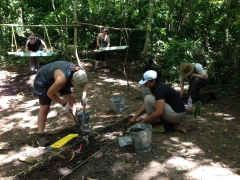 During the nineteenth-century, Latin America was a hotbed of trade and commerce driven principally by extractive industries such as agriculture (principally sugar) and hardwood collection. Such ventures required large injections of capital into the creation and maintenance of productive landscapes as well as for hiring, housing, and feeding the workers who provided labor and management. This presentation will explore two such sites in Belize. Lamanai, an inland site, which is located in what is now the Orange Walk District of northwestern Belize and San Pedro Town, which is located off the coast of Belize on Ambergris Caye. During the nineteenth-century British colonists established settlements at these sites: at Lamanai, to plant sugar cane and harvest logwood and mahogany and, on Ambergris Caye to cultivate a coconut plantation. Along with wild fauna, chicken, beef, and bottled, canned, or barreled products such as soda water, salted pork, and potted meat, the residents of nineteenth-century Lamanai and San Pedro Town were also active consumers of tobacco and bottled alcoholic beverages. In addition, earned labor money was used to purchase bottled medicines, health and hygiene products (e.g. chamber pots), and wearable objects such as buttons and boot heels. Here we compare and contrast these two contemporary sites, situated in very different landscapes, but both within the Latin American, British colonial-industrial complex.
Register for this Cotsen Virtual Pizza Talk here! You will receive instructions on viewing the talk after registering.
Contact Sumiji Takahashi
Email sutakahashi@ioa.ucla.edu
Phone
Jeanne Marie Teutonico
Associate Director, Strategy and Special Initiatives
Getty Conservation Institute
Friday November 20th, 11:00am - 12:00pm (PT)
Please note, this talk will not be recorded.
The Getty Conservation Institute (GCI) is best described as a private, international research organization that is part of a larger philanthropic enterprise dedicated to the understanding, conservation and enjoyment of the visual arts. In this, the GCI is somewhat unique in the constellation of not-for-profit organizations operating in the heritage sector.
The presentation will provide an introduction to the Getty Conservation Institute – its mission, strategic priorities and methodological approach to heritage conservation. Select examples of GCI field work (in Egypt, Peru and the Mediterranean) will be used to illustrate diverse conservation contexts and challenges, and to reflect on the evolution of conservation practice over the last twenty years.
The presentation will conclude with some consideration of future challenges –both global concerns and specific issues facing the heritage conservation field.
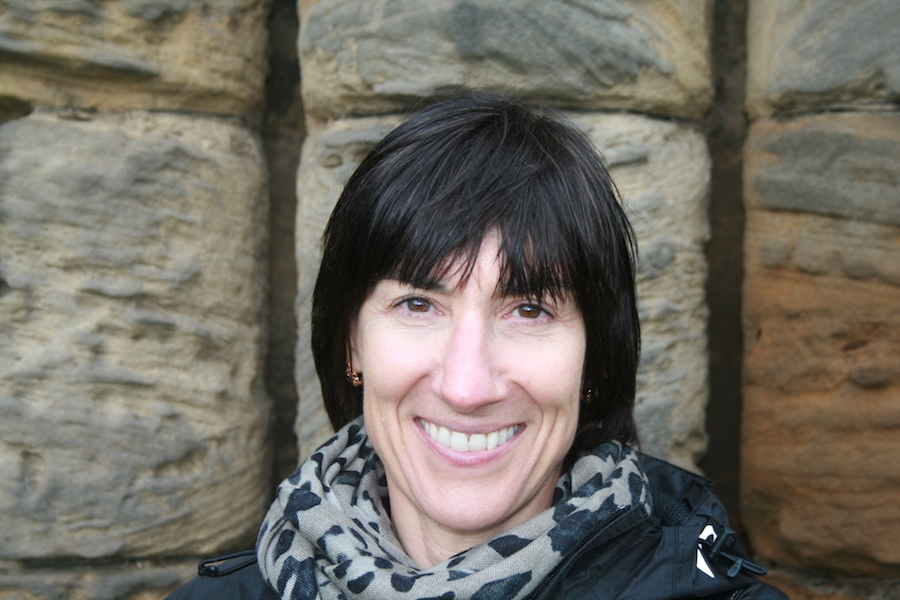 Jeanne Marie Teutonico is currently Associate Director, Strategy and Special Initiatives,atthe Getty Conservation Institute (GCI) in Los Angeles where her responsibilities include the development of strategic priorities for the Institute and oversight of GCI publications. An architectural conservator with over thirty years of experiencein the conservation of buildings and sites, she holds an A.B. (Hons) in art history from Princeton University and an M.Sc. in historic preservation from Columbia University, Graduate School of Architecture, Planning and Preservation. Prior to joining the GCI in 1999, Jeanne Marie was a conservator and educator on the staff of the International Centre for the Study of the Preservation and Restoration of Cultural Property (ICCROM) in Rome and, later, of English Heritage in Londonwhere she led a large technical research and publications program. She is published widely and maintains research interests in the conservation and sustainable use of traditional building materials. She was an invited Resident at the American Academy in Rome in 2008 and is a Fellow of the Association for Preservation Technology, the Society of Antiquaries, and the International Institute for Conservation.
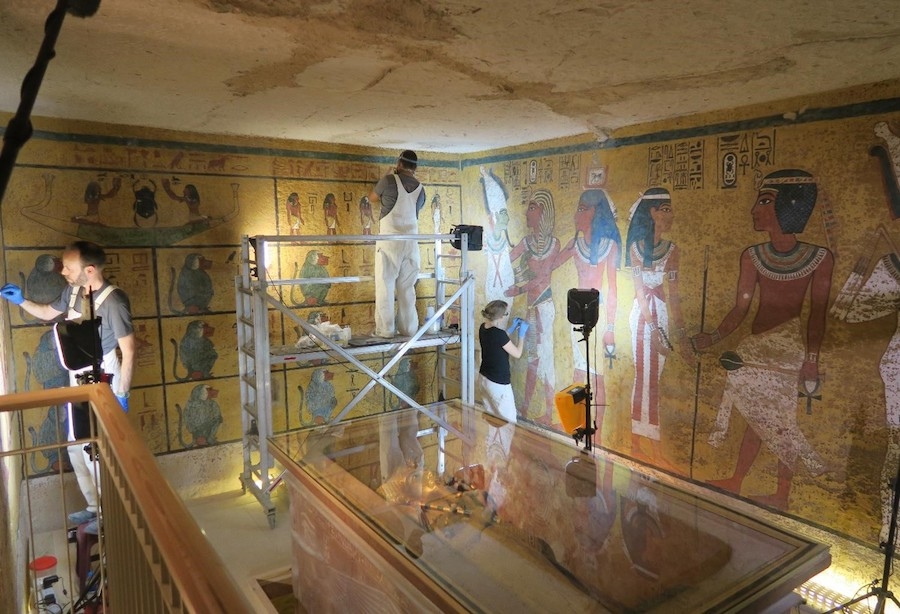
Figure 1. Conservation of the wall paintings in the burial chamber of the Tomb of Tutankhamen in the Valley of the Kings, Egypt. The Getty Conservation Institute, in collaboration with Egypt’s Ministry of Antiquities, has recently completed a multi-year project that included study and conservation of the tomb’s wall paintings, environmental and infrastructure improvements, and training for future care of the site.
Figure 2. Training regarding the conservation and management of archaeological sites and 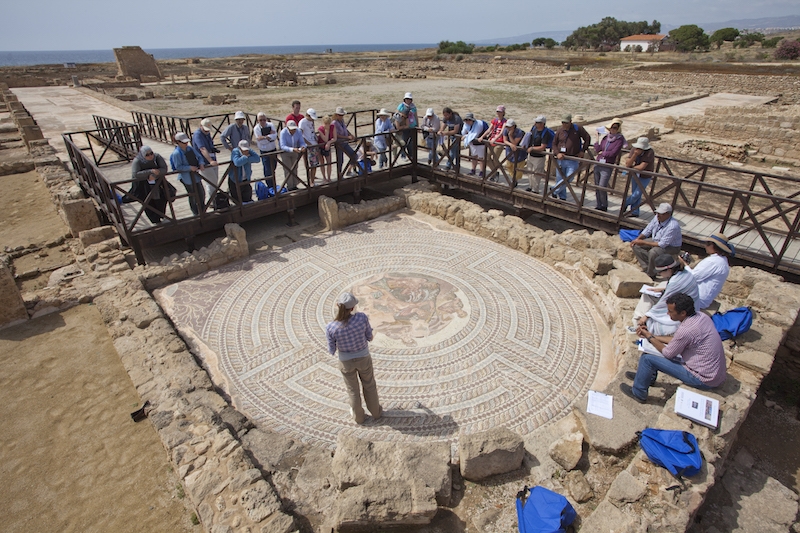 mosaics at the ancient site of Paphos in Cyprus. Over the last ten years, the Getty Conservation Institute has collaborated with the Getty Foundation, ICCROM and the International Committee fortheConservation of Mosaics(ICCM) in an initiative known as MOSAIKON with the aim of improving the conservation, presentation and maintenance of archaeological mosaics in the Mediterranean region. Activities have included education and capacity building, the development of locally sustainable conservation practices, model field projects, and the dissemination of information in a variety of forms.
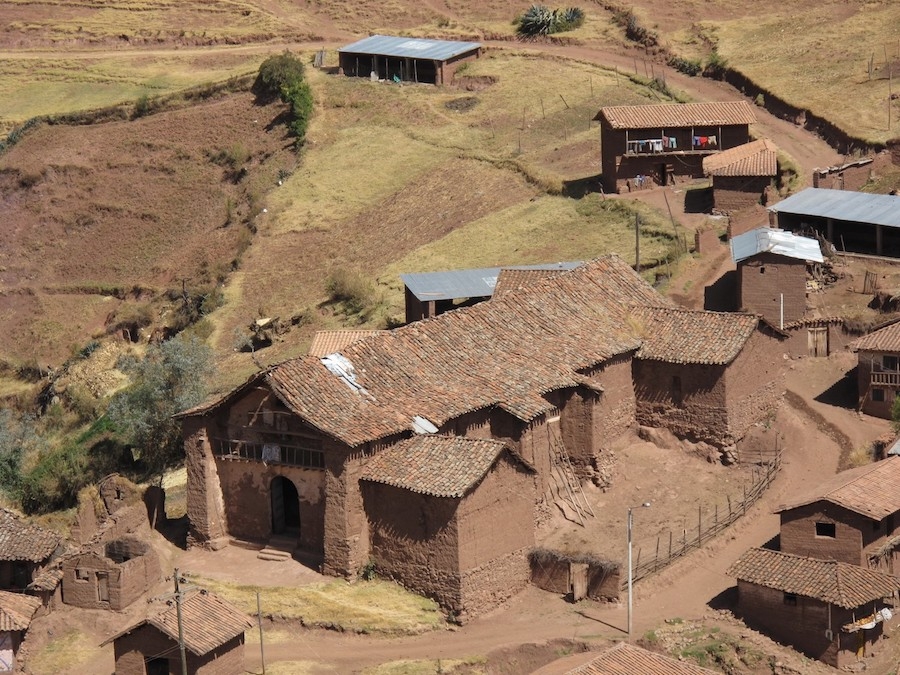 Figure 3. The church of Santiago Apóstolin Kuño Tambo, Peru. This seventeenth century earthen building, located in a remote village high in the Andes, is richly decorated with wall paintings and has been in continuous use as a place of worship since its original construction. As part of its Earthen Architecture Initiative, the Getty ConservationInstitute, in collaboration with the School of Science and Engineering at the Catholic University in Lima and the Peruvian Ministry of Culture, has developed and implemented seismic retrofit techniques that will enhance the building’s performance without negatively impacting the significant decorative finishes.
Contact Jennifer McGough
Email jenmcgough@g.ucla.edu
Phone
Panelists: Georgina Lloyd (UNEP); Khylee Quince (Auckland University of Technology); Marcelle Burns (University of New England); Neyooxet Greymorning (University of Montana)
Moderator: Dada Docot (Purdue University)
November 18, 2020, 6:00 PM (PST) / November 19, 2020, 10:00 AM (TWN)
Webinar Series: Indigenous Peoples, Heritage and Landscape in the Asia Pacific: Knowledge Co-Production, Policy Change, and Empowerment
Various examples of community engagement from multiple regions in the Asia Pacific were discussed in this webinar series. Collaboration between researchers and community members highlighted the empowering nature of such partnership. This panel will discuss the lessons learned from these examples and propose means to translate the outcomes of community involvement in research/development projects into concrete programs that will further enable Indigenous/local communities to take control of their heritage and intellectual properties. In addition, the panel will discuss how these collaborations can influence curricular development, policy changes, and institutionalizing of community involvement. Panelists provide examples from their respective works in Southeast Asia, Taiwan, Australia, and New Zealand.
For more information about the event and panelists, visit the event site.
Contact Madeleine Yakal
Email communityengagedresearch@gmail.com
Phone
Almoatz-bellah Elshahawi, Conservator, Grand Egyptian Museum
Wednesday, November 18th, 12:00pm - 1:00pm PT
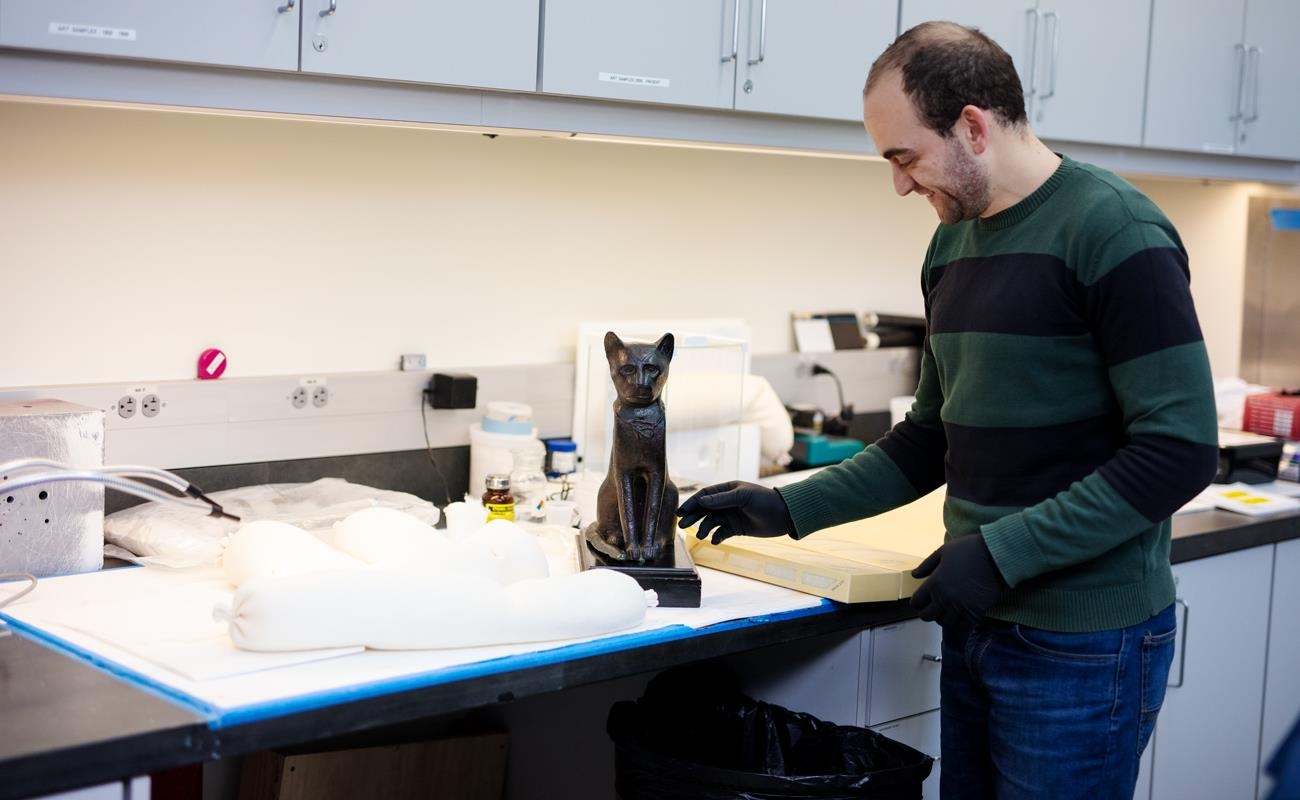
Acquired in 1955 by the J. Paul Getty Museum an Egyptian bronze cat was thought to be a fake. Authenticity questions initially arose from the presence of several odd repairs on the cat’s tail. Additionally, the surface appeared stripped and was very glossy giving it an artificial look and contributing to its suspicious appearance. Removal of the bronze from its historic wooden base revealed the signature of a 19th century British restorer. Comparisons of the interior to the exterior bronze surface indicate that the cat had been aggressively cleaned leaving a smooth and atypical corrosion pattern on the surface. A technical study of the cat using visible and microscopic examination, x radiography, metallography, x ray fluorescence spectroscopy and most significantly, thermoluminescence dating of the core material within the head, confirmed the cat’s authenticity.
Register for this Cotsen Virtual Pizza Talk here! You will receive instructions on viewing the talk after registering.
Contact Sumiji Takahashi
Email sutakahashi@ioa.ucla.edu
Phone
- ‹ previous
- 21 of 52
- next ›