


Past Events
Interested in Cotsen events? Sign up for our mailing list.Arsen Bobokhyan
PhD, Researcher at the Institute of Archaeology and Ethnography, National Academy of Sciences Republic of Armenia
Friday, October 16th, 12:00pm PT (contingent on the developing situation in Armenia)
Register here
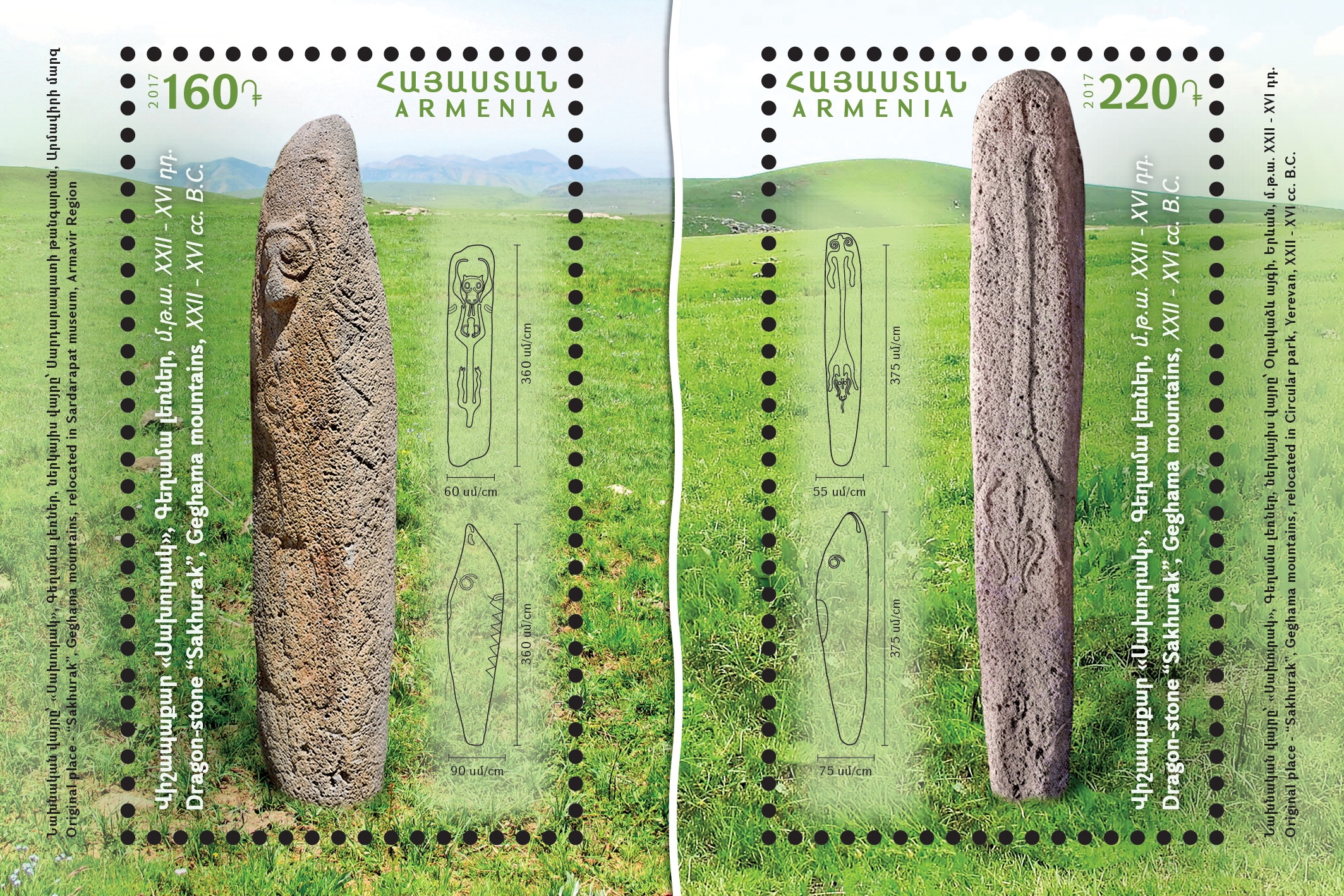
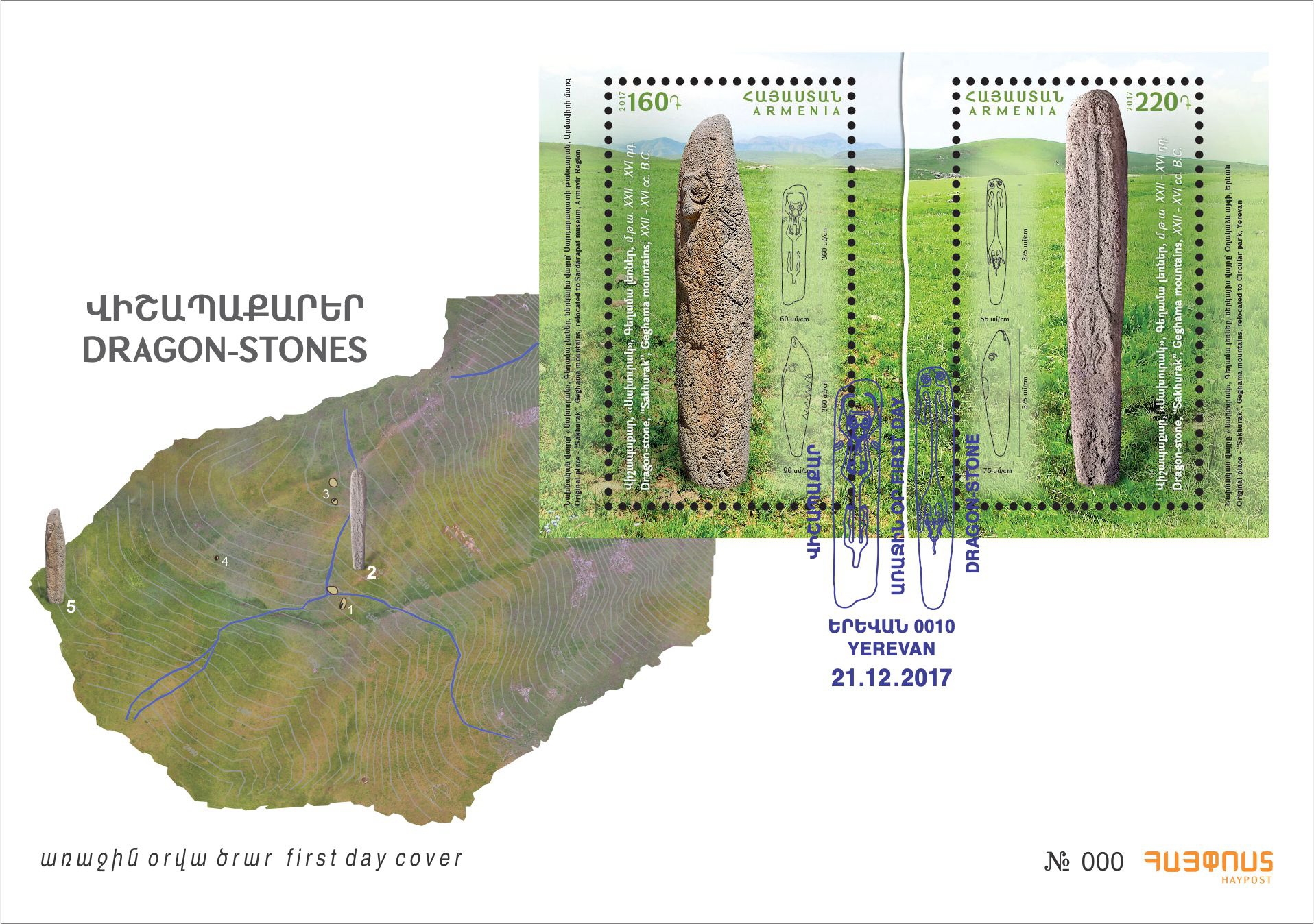
In the high mountains of Armenia, exist unique monuments called by the people “vishapakar” - dragon-stone. Although vishapakars were discovered more than a century ago, their secrets are far from being deciphered. Much like the khachkars (cross-stones) of Medieval times, vishapakars are typical for the prehistoric landscapes of the Armenian Highland. The centres of their distribution are Mount Aragats and the Geghama mountains. Today we know approximately 150 examples of these monuments. Vishapakars are 150-550 cm high and made, as a rule, of grayish basalt. They had been widely used during the Bronze Age, especially within the 2nd millennium BC. Among the many questions vishapakars raise, one of the most important is the problem of their protection. Two kinds of dangers exist – destruction and dilapidation in their original places, and removal to the lowland. Both destruction and removal took place as early as the beginning of the 1st millennium BC, in the Urartian period, increased during Middle Ages and unfortunately continues today. The lecture will present recent works to investigate and protect these monuments.
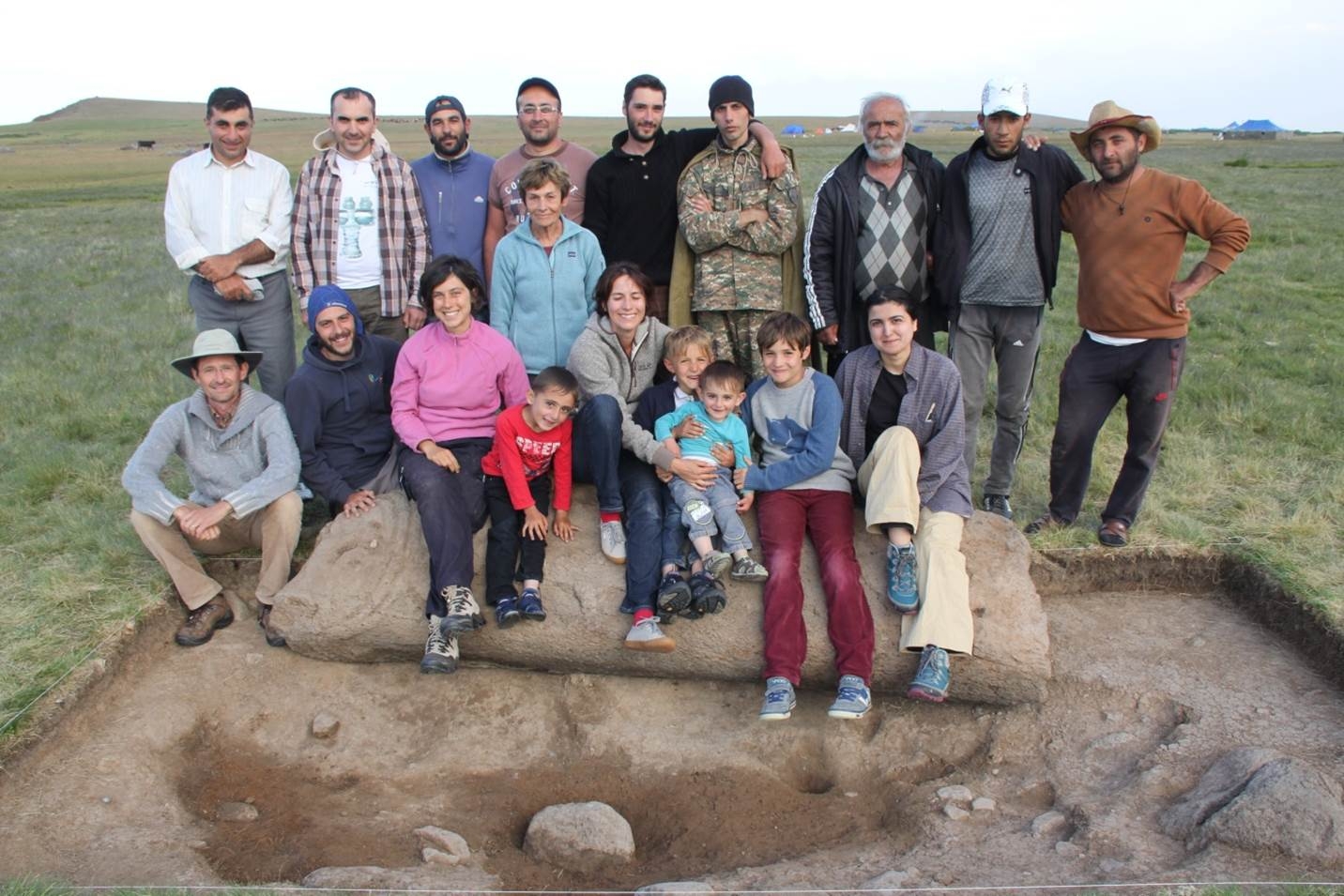
Arsen Bobokhyan is the Vice Director, Institute of Archaeology and Ethnography, Armenian Academy, where he has worked since 1998. He received his Pd.D. from the Institute of Prehistory, University of Tubingen, Germany, with the topic ''Communication and Barter in the Highland between the Taurus and the Caucasus, ca. 2500-1500 BC.'' His areas of research include Early Archaeology of the Caucasus, the Near East and Asia Minor, Cultural Relations, Ancient Barter and Weight Systems, History of Urbanism, Identity Problems, Ancient Religion and Cult, Sacred Landscape. He has taught at Yerevan State University since 2007.
Contact Michelle Jacobson
Email mjacobson@ioa.ucla.edu
Phone
Konstantinos Zachos Director Emeritus Of Antiquities For Epiros
Saturday, October 10th, 10:00am PT
On September 2, 31 BC, Octavian’s forces defeated those of Mark Antony and the queen of Egypt Cleopatra off the west coast of Greece. Known as the Battle of 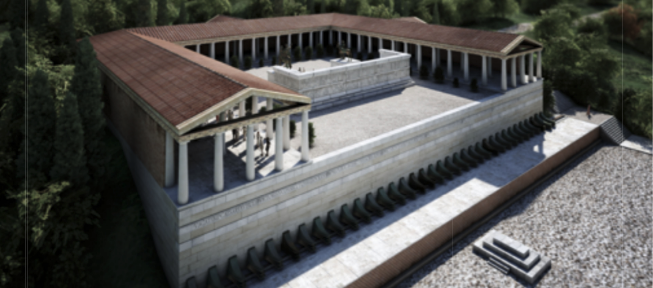 Actium, from the peninsula of the same name, at the entrance of the Ambracian Gulf, on which was located an ancient sanctuary of Apollo. Few episodes from ancient history have been commented on more than the battle of Actium. It marked the beginning of a new world order and, above all, the beginning of Octavian’s “monarchy,” at which time he became Augustus, the first Emperor of Rome. After his victory, Augustus undertook a series of actions aimed at the economic and social reorganization of northwestern Greece, at the same time incorporating elements of political and religious propaganda. He founded a city which he named Nikopolis— Victory City—he renovated the sanctuary of Apollo at Actium and on a hill sacred to the god and, where he had encamped, he erected a Victory Monument. Excavations at this imposing, extravagant monument over the past few decades, have revealed a wealth of finds, some of astonishing artistic rendering.
Konstantinos Zachos is Ephor of Antiquities (Emeritus) of the Greek Ministry of Culture. He holds a B.A. from the University of Thessaloniki and an MA and Ph.D. from Boston University. Following his graduate work, he entered the Greek Archaeological Service, worked in several Ephorates of Antiquities and was promoted to Ephor of Antiquities. He has excavated widely in Epirus, the Peloponnese, the Cyclades, and in Albania. He was also responsible for conservation work at Dodona and Nikopolis. He established three new museums (at Leukas, Nikopolis, and Arta) and supervised the renovation of the Archaeological Museum of Ioannina.
This talk will be offered on Zoom. Please RSVP by clicking here to receive the link.
Contact
Email hellenic@humnet.ucla.edu
Phone
Mary E. Voyatzis, Professor, University of Arizona, Tucson
Saturday, October 3rd, 10:00am PST
The mountainous region of Arcadia, situated in the heart of the Peloponnese, has attracted considerable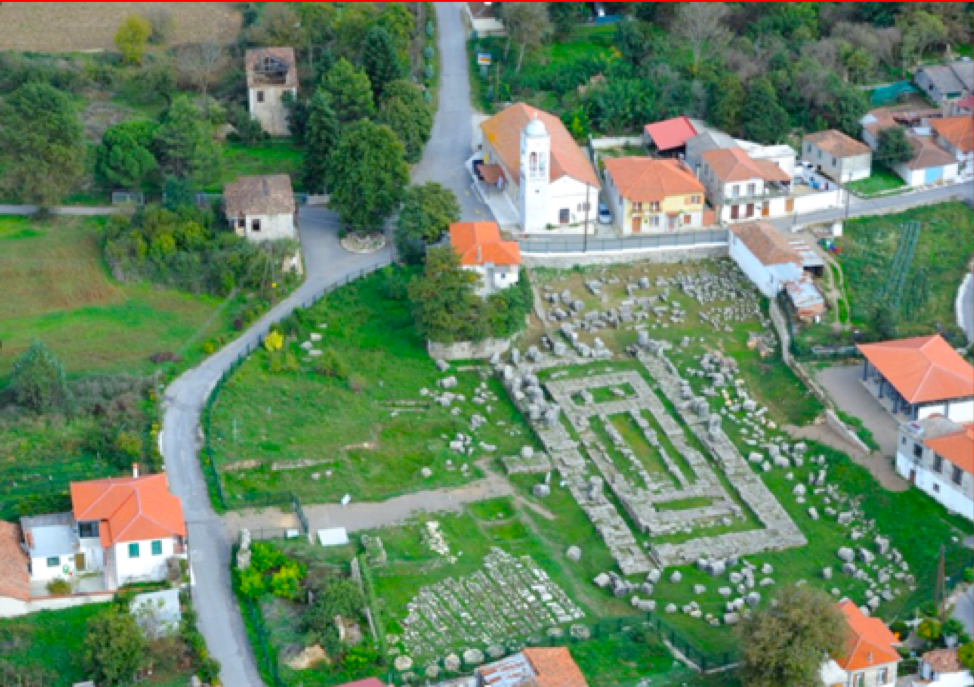 interest and attention since antiquity. Many ancient authors described Arcadia in detail, discussing its rich mythology, many sites, unusual gods, numerous sanctuaries, engaging history, diverse geography, and the important fact that its inhabitants were indigenous, living there even before the moon (Proselenoi), and the original inhabitants of Greece (Pelasgoi). During the Renaissance, Arcadia was depicted in art as a beautiful, pristine, and magical place with unspoiled wilderness. By the 19th century European travelers were exploring the region, and later in the century archaeologists began excavating its various sites. For over 140 years Arcadia has been investigated by archaeologists from Greece and many other countries in Europe and North America. Today we consider some of the sites recently excavated in Arcadia, and focus on two where the speaker has been involved, the Sanctuary of Athena Alea at Tegea, and the Sanctuary of Zeus on Mt. Lykaion. We shall see how archaeological discoveries have contributed significantly to our understanding of the history of Arcadia and enhanced our appreciation of this enchanting mountainous region.
 Mary E. Voyatzis received her BA in Classical Studies from the University of Pennsylvania, a post-graduate diploma in Classical Archaeology from Girton College, Cambridge, and her Ph.D. from University College, London, with a dissertation entitled “The Sanctuary of Athena Alea at Tegea, 800-600 BC, and its Relation to Other Arcadian Sanctuaries.” She began teaching at the University of Arizona, Tucson in the Department of Classics in 1986, and is currently Professor in the School of Anthropology and the Department of Religious Studies and Classics.
This talk will be offered on Zoom. Please RSVP to hellenic@humnet.ucla.edu to receive the link.
Contact
Email hellenic@humnet.ucla.edu
Phone
We are excited to announce that our event Chauvet Cave: Masterworks of the Paleolithic will now be held virtually!
In conjunction with the global digital film premiere of The Final Passage, a 28-minute immersive experience of the Chauvet-Pont d’Arc Cave and its paintings, the Cotsen Institute of Archaeology will be hosting a virtual discussion and Q&A session with Jean-Michel Geneste, General Curator of Cultural Heritage for the Ministry of Culture in France and former curator of the Lascaux caves, and the film’s producer, Martin Marquet. Participants are invited to watch the film online prior to the event. Questions can be submitted in advance when registering or during the event.
Since its discovery in 1998, the extraordinary rock art of the Chauvet-Pont d’Arc cave in south-central France has been celebrated for its remarkable realism and demonstration of skill never before seen in cave art. Dating back 36,000 years, the myriad paintings of horses heads, mammoths, bears, cave lions, rhinoceroses and more use “the knobs, recesses, and other irregularities of the limestone to impart a sense of dynamism and three-dimensionality to their galloping, leaping creatures,” according to Smithsonian magazine.

(only available from May 7 - June 7)

Wednesday, May 27, 2020
12:00 - 1:00 PM
Space is limited. Please register by May 25.
This event is co-sponsored by the UCLA Rock Art Archive. Email Michelle Jacobson at mjacobson@ioa.ucla.edu for more information.

Contact Michelle Jacobson
Email mjacobson@ioa.ucla.edu
Phone 310-825-4004
Hear eight of the world’s leading Egyptologists, who will appear together for the first time to share their expertise on life in Ancient Egypt. These experts are all editors of the UCLA Encyclopedia of Egyptology (UEE), a prestigious resource of in-depth articles on Ancient Egypt that has been a decade in the making. Accessible by the public, these articles cover language, religion, history, art, and a wide variety of other important topics on this critical civilization.
Please join us for this special event which will emphasize the role of women and how they helped shape Ancient Egypt as we know it.
Reserve tickets now or view the full program here.

Contact Michelle Jacobson
Email mjacobson@ioa.ucla.edu
Phone
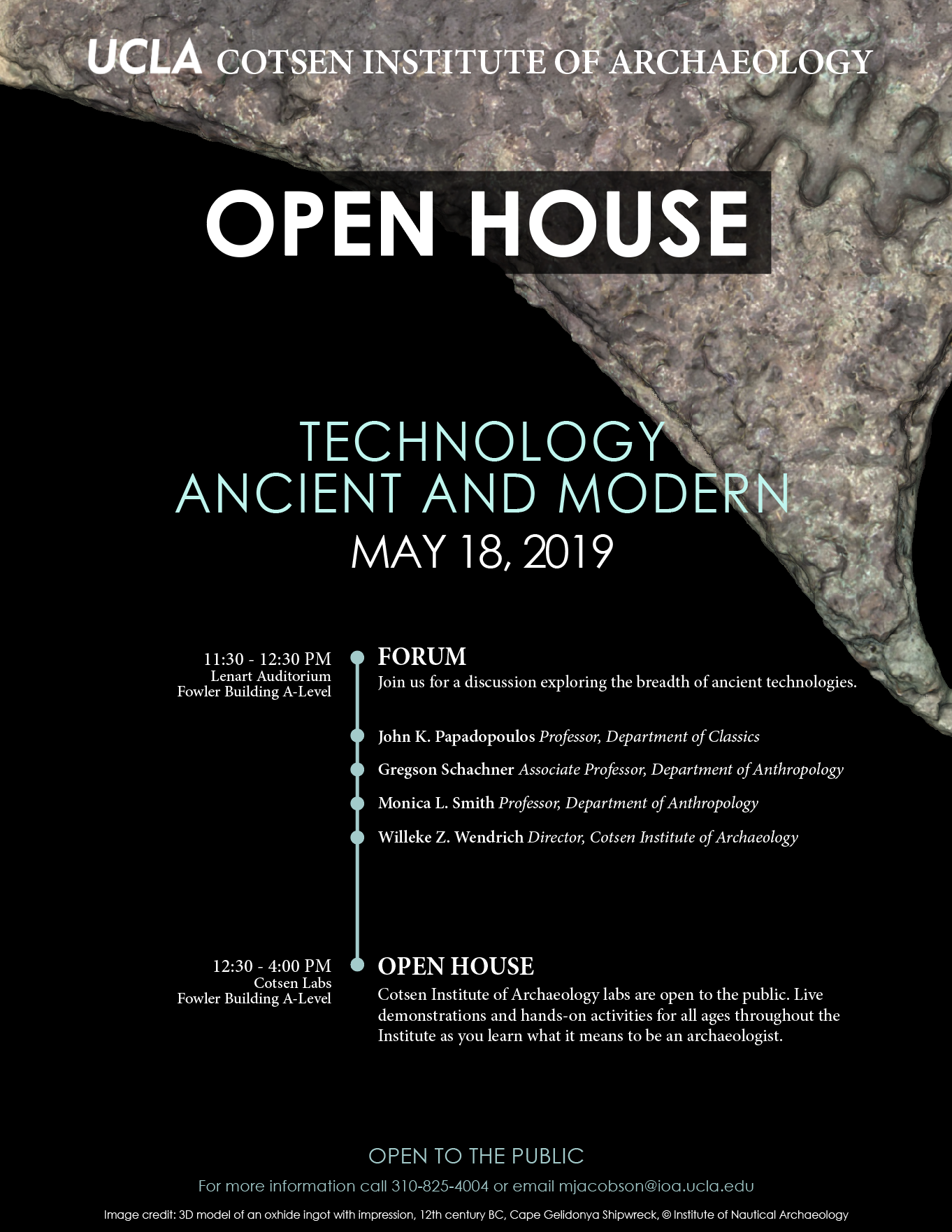
The Annual Cotsen Institute of Archaeology Open House will take place on
May 18, 2019 from 11:30 to 4:00pm
with the theme
Technology: Ancient and Modern
Explore the breadth of ancient technologies through a mosaic of talks by Drs. John K. Papadopoulos, Gregson Schachner, Monica L. Smith, and Willeke Wendrich. Then visit the labs within the Cotsen to learn more and see these technologies up close!
Contact Michelle Jacobson
Email mjacobson@ioa.ucla.edu
Phone
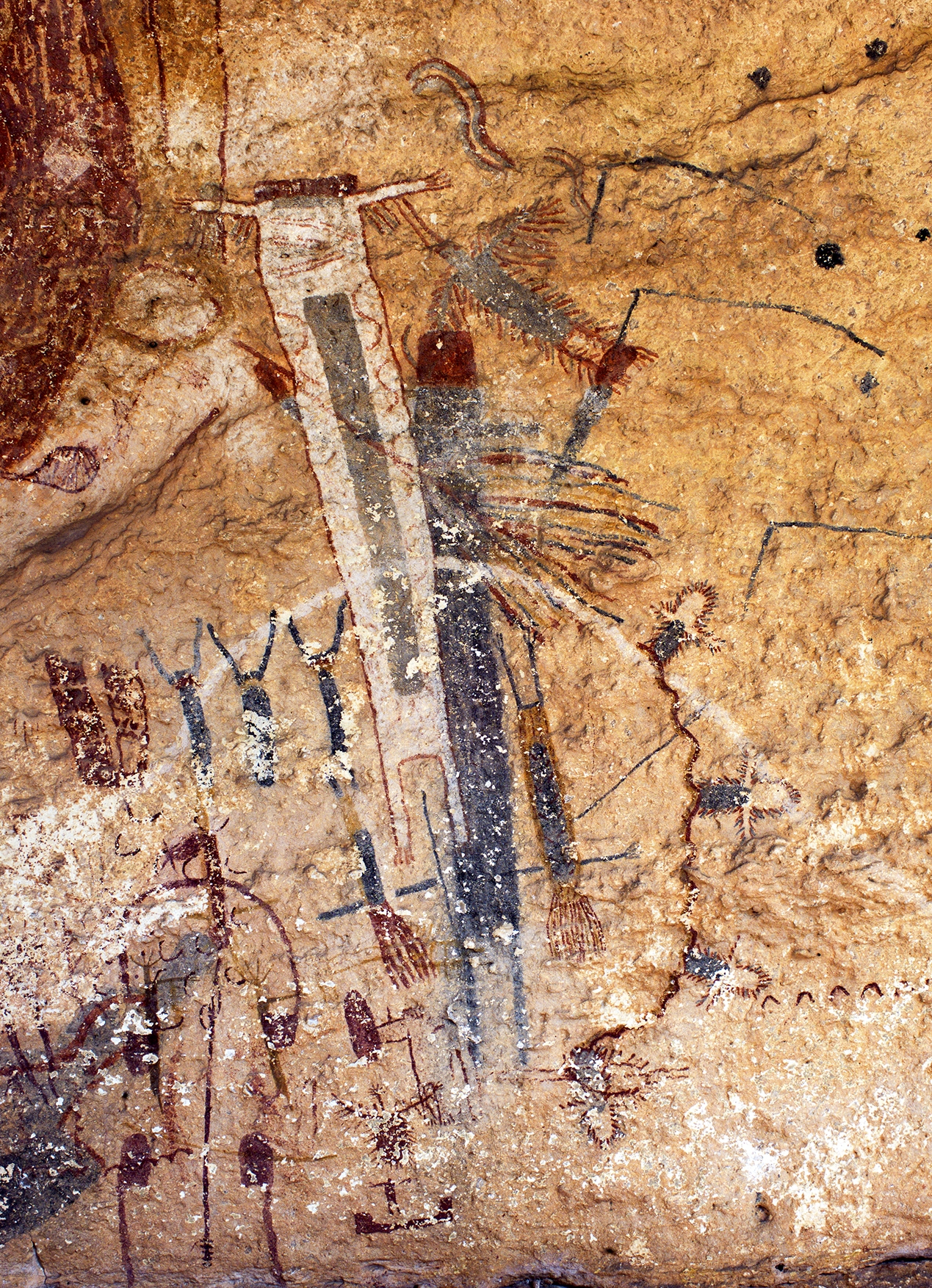 The Lower Pecos Canyonlands of southwest Texas and Coahuila, Mexico house some of the most spectacularly complex rock art of the ancient world. Approximately 4000 years ago, hunter-gatherers began transforming this region into a painted landscape. Perhaps the greatest of these masterpieces is the White Shaman mural, an intricate Pecos River style painting that spans twenty-six feet in length and thirteen feet in height. Drawing on twenty-five years of archaeological research, as well as insight from ethnohistory and art history, Carolyn Boyd identifies patterns in the art that relate, in stunning detail, to the mythologies of Uto-Aztecan speaking peoples, including the Aztec and the contemporary Huichol. Analysis of these patterns led to the identification of the White Shaman mural as an ancient visual narrative relating a story of the birth of the sun and the beginning of time.
California NanoSystems Institute at UCLA
570 Westwood Plaza Building 114
Los Angeles, CA 90095
Reception on Tuesday, February 12, 2019 at 6:00pm with the program at 7:00pm
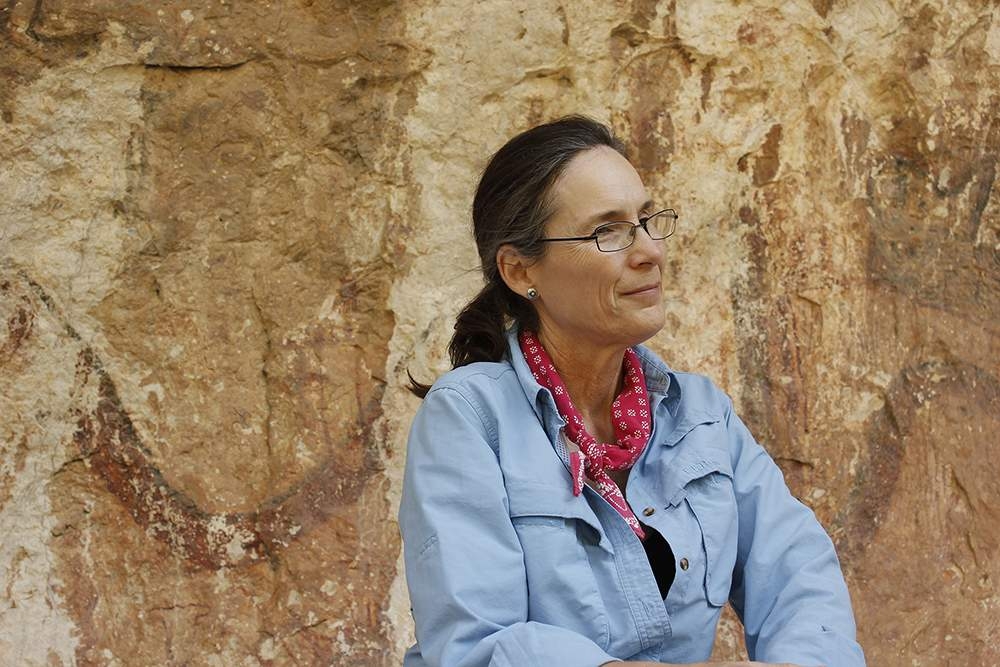
Carolyn E. Boyd, Ph.D.
Founder of Shumla Archaeological Research & Education Center
Research Professor at Texas State
Contact Michelle Jacobson
Email mjacobson@ioa.ucla.edu
Phone
Since our humble beginnings, human’s have created and discarded unwanted objects: garbage is a human universal, and the archaeological record is brimming with it. Indeed, the everyday human experience – the routine domestic tasks we perform, the foods we process and eat, the goods we consume – is arguably best documented with our discards. Rarely glorified and difficult to romanticize, trash can challenge the dominant historical narrative, give voice to those without, and complicate our understandings of quotidian behavior. But an archaeology of trash is also situated to foster unique and often impactful perspectives on the ways that consumption and discard practices – both normative and fringe – implicate a myriad of phenomena not always easily gleaned from curated possessions, including ideologies of dissent, socially performed identities, dispossession, and ecological toxicity. Secretly aspiring to deepen your appreciation and awareness of garbage, this talk explores the curiously unpopular but promising fusion of archaeology and discard studies.
Harry and Yvonne Lenart Auditorium at the Fowler Museum, UCLA
6:00 pm, Thursday, October 11, 2018
With a reception in the Fowler Museum Courtyard to follow
RSVP by Friday, October 5, to Kelli O'Leary at koleary@support.ucla.edu
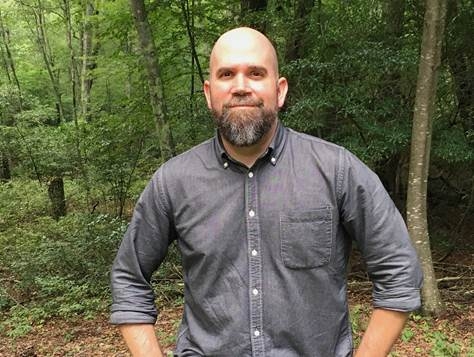
Anthony Graesch
Associate Professor of Anthropology
Chair of the Anthropology Department
Connecticut College
This event is co-sponsored by:
Director Willeke Wendrich, UCLA Cotsen Institute of Archaeology and The Institute for Field Research
Contact Tanja Hrast
Email tanja@ioa.ucla.edu
Phone
The Annual Cotsen Institute of Archaeology Open House will take place on
May 12, 2018 from 12:00 to 4:00pm with the theme Celebrations.
Join us at 12:00 pm in the Fowler Museum for two gallery talks followed by a feasting forum in the Lenart Auditorium (A-Level) at 1:00 pm.
Decoding textiles: the transmission of traditional knowledge with Dr. Sonali Gupta-agarwal
and
Archaeology and representation: empowering descendant communities through museum-based education with Dr. Stephen Acabado
Celebrations across the world and throughout time usually involve feasting: consuming elaborate and plentiful food (and drink) in the company of others. The important social, religious and political roles of feasting will be presented and discussed by three core members of the Cotsen Institute of Archaeology, Drs. Elizabeth Carter, Alan Farahani, and Monica Smith. After their brief introductions the panel will discuss this subject with the audience, an exchange of thought moderated by Dr. Willeke Wendrich, Director of the Institute.
After the forum, come explore our labs and interact with archaeologists from 2:00 - 4:00 pm.

Contact Sonali Gupta-agarwal
Phone
Himalayan Wonders Unearthed
30 Years of Discoveries in India and Tibet
For thirty years, Peter van Ham has been researching regions in the Himalayas that had been closed for research for over half a decade. His major research focus is the life and achievements of one of Tibet's greatest masters - Lotsava Rinchen Sangpo, the 'Great Translator' from the eleventh century CE. The few surviving religious establishments founded under his aegis are the oldest temple sites of the entire TIbetan cultural realm. Their works of art, mostly preserved in their original state, are of great importance not only for TIbetan culture but also for India, Central and even Middle Asia, revealing influences reaching as far as the Mediterranean. Supported by H.H., the Dalai Lama, the Archaeological Survey of India, and the UNESCO, van Ham has made important art historical and archaeological discoveries and was the first to document these unique sites that for centuries eluded public attention.
The event was livestreamed and the recording is available below.
April 2nd, 2018, 5:00 - 7:30pm
Lecture and Reception at the California NanoSystems Institute (CNSI) Auditorium at UCLA
570 Westwood Plaza, Los Angeles, CA 90095
Parking available at Lot 9
Contact Sonali Gupta-agarwal
Email sonaliga@ioa.ucla.edu
Phone (310) 206-8934
- ‹ previous
- 5 of 7
- next ›