


Past Events
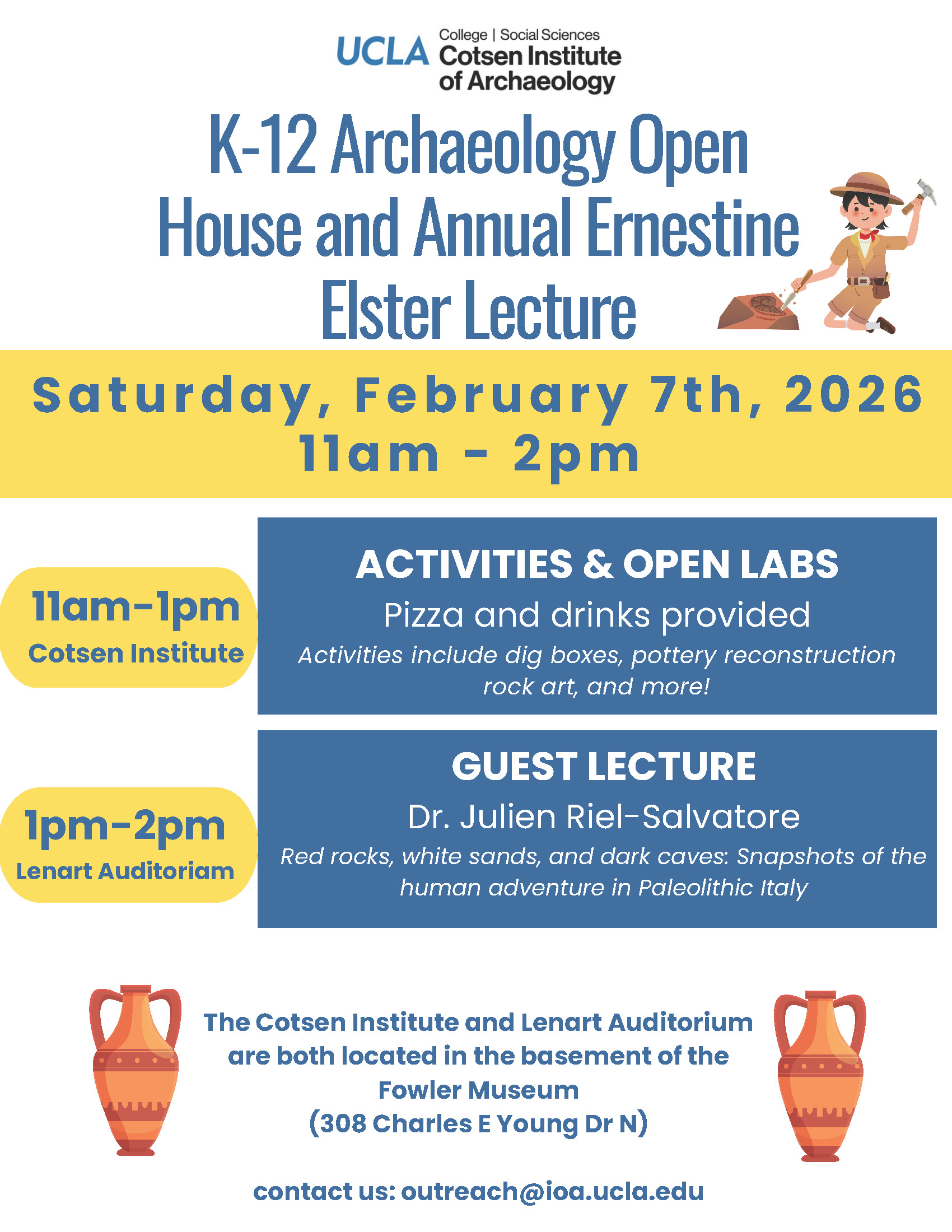
Interested in Cotsen events? Sign up for our mailing list.On Saturday, February 7, from 11:00am-2:00pm, the Cotsen Institute will host its second annual Archaeology Day for K–12, welcoming students from schools across Los Angeles. This event is organized in collaboration with the undergraduate Archaeology Club and will feature hands-on activities such as a dig box, pottery reconstruction, rock art wall painting, and a photo booth.
At 1:00pm we will host the Annual Ernestine Elster Lecture in Lenart Auditorium. This year’s speaker will be Dr. Julien Riel-Salvatore (Département d’anthropologie, Université de Montréal), who will present his talk, “Red rocks, white sands, and dark caves: Snapshots of the human adventure in Paleolithic Italy".
Contact Victoria Newhall
Email outreach@ioa.ucla.edu
Phone
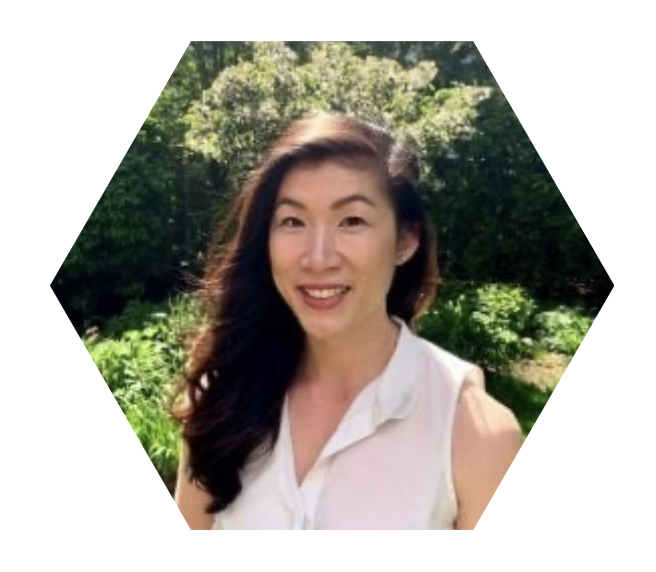
The Refugee Material Culture Initiative (RMCI) is a community-engaged digital humanities project that rethinks how refugee histories are preserved and shared. Instead of relying on institutions to define what matters, RMCI works with refugee communities to decide which objects are preserved, how their stories are told, and how they are made accessible through digital surrogates, virtual exhibits, and educational resources.
This talk introduces RMCI through its first partnership with the Vietnamese Heritage Museum in Westminster, California, and shows how institutional resources—technology, expertise, and infrastructure—can be leveraged to support community-led preservation and storytelling. The presentation will also feature brief reflections from three artifact donors—Nguyễn Thanh Thủy, Nguyên Chí Long, and Lê Trị—who will speak about their objects and the experience of seeing their histories digitally preserved.
 Kelly Nguyen
Assistant Professor
Classics
Contact Perla Torres
Email perla@ioa.ucla.edu
Phone
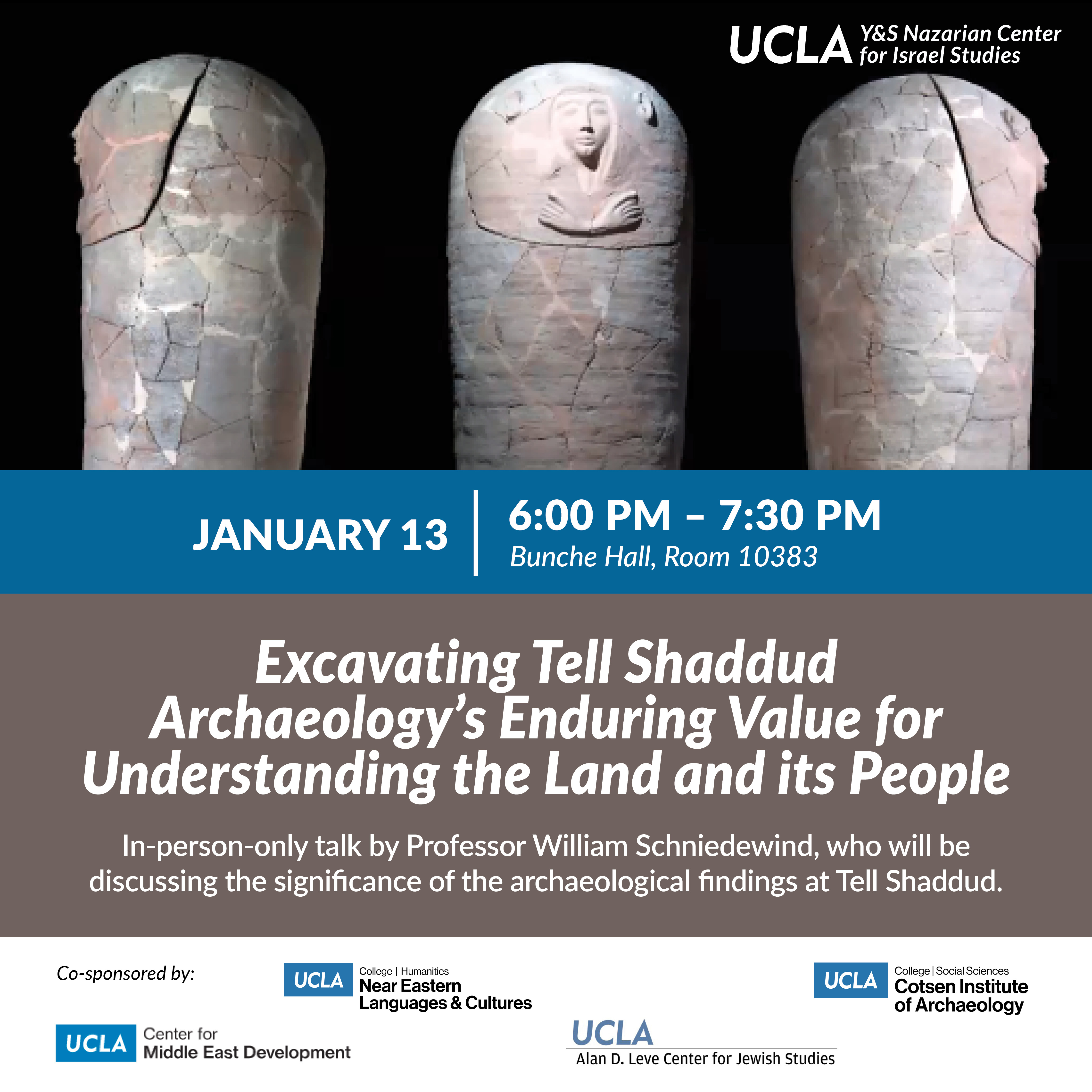
Professor William Schniedewind's talk situates the remarkable archaeological site at Tell Shaddud at the crossroads of history—Armageddon, the strategic gateway of the Jezreel Valley. Excavations reveal fortresses that mark shifting powers: an Egyptian stronghold, an early Israelite administrative center, a neo-Assyrian fortress, and later a Jewish village from the Roman period, living in the shadow of the Roman legionary camp at Legio. The story continues into modern times, with traces of a British Mandate army trench and defenses of the Haganah. This lecture demonstrates how Tell Shaddud’s layers embody the enduring relationship between the land and its people, showing archaeology’s power to illuminate resilience, identity, and continuity across millennia and into modern times.
Learn More & RSVP: https://bit.ly/UCLA_Jan-13_Excavating-Tell-Shaddud
 William Schniedewind is Professor of Biblical Studies at UCLA, and the Sady and Ludwig Kahn Director of the Alan D. Leve Center for Jewish Studies. He received his Ph.D. in Near Eastern and Judaic Studies from Brandeis University, has been a Visiting Scholar at the Hebrew University and a Research Fellow at the Albright Institute of Archaeological Research in Jerusalem, and is the Associate Director of the excavations at Tell Shaddud. He served for many years as the Chair of the Department of Near Eastern Languages and Cultures at UCLA. He is the author of numerous articles and seven books including How the Bible Became a Book (Cambridge University Press, 2004), A Social History of Hebrew (Yale University Press, 2013), The Finger of the Scribe: How Scribes Learned to Write the Bible (Oxford University Press, 2019), and Who Really Wrote the Bible: the Story of the Scribes (Princeton University Press, 2024).
 Aaron A. Burke (moderator) is Professor of the Archaeology of Ancient Israel and the Levant, and the Kershaw Chair of the Ancient Eastern Mediterranean Studies in the Department of Near Eastern Languages and Cultures. He is a member of the Cotsen Institute of Archaeology at The University of California, Los Angeles, where he also serves as editor-in-chief. His research interests address the social history of the Levant and Eastern Mediterranean during the Bronze and Iron Ages with a particular interest in identity transformations in connection with warfare, forced migration, and long-distance exchange. Since 2007, he has directed The Jaffa Cultural Heritage Project, an NEH-funded excavation and publication program. His current research seeks to address the Early Iron Age in the southern Levant, ca. 1200–900 B.C., the period of the rise of early Israel. In connection with this research, between 2018 and 2023 he co-directed excavations with David Ilan of Hebrew Union College at Tel Dan in northern Israel. He is the founding series editor for The Elements in the Archaeology of Ancient Israel, published by Cambridge University Press.
Contact Gage Greenspan
Email gagegspan@g.ucla.edu
Phone
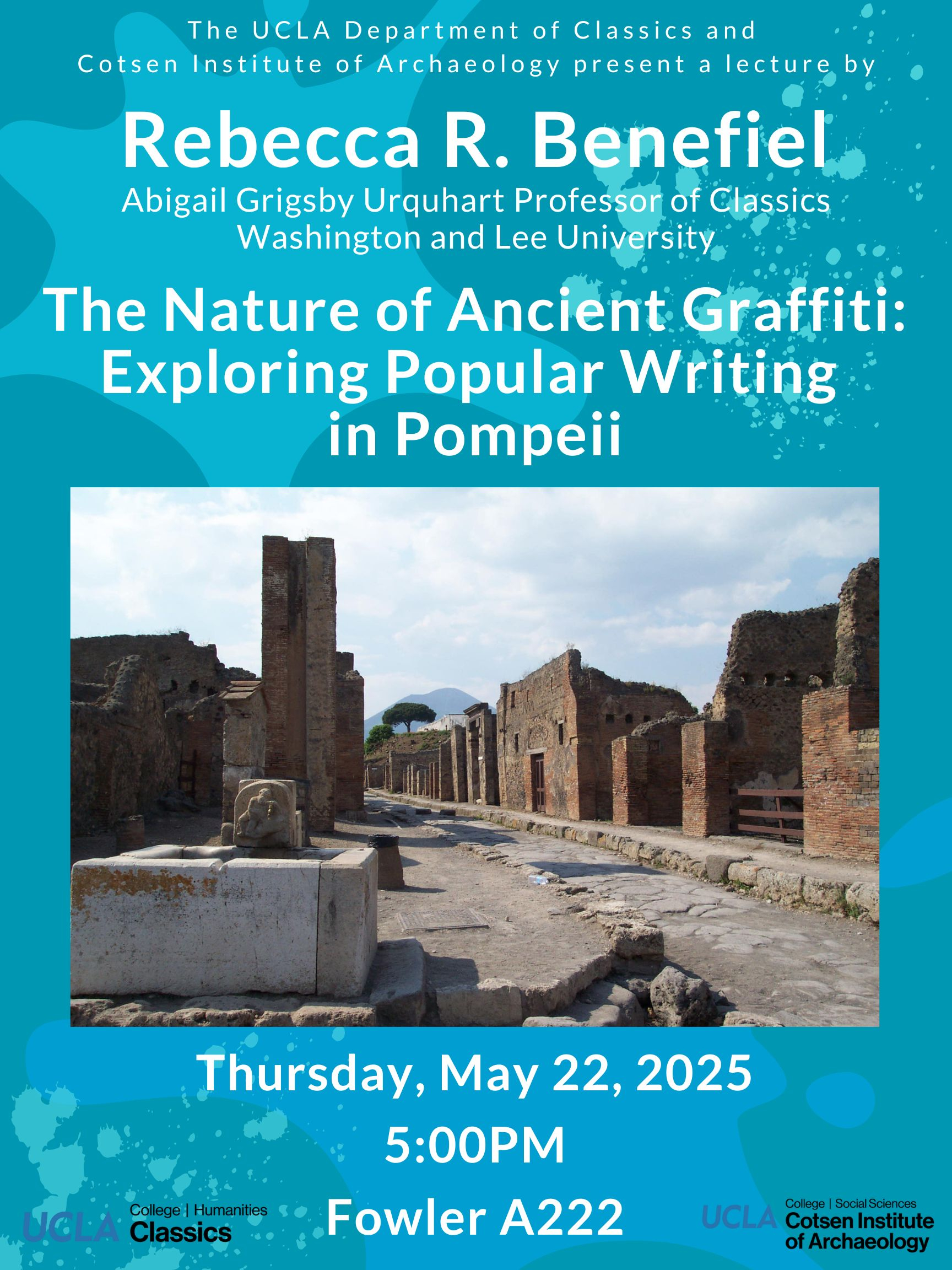
The UCLA Department of Classics and the Cotsen Institute of Archaeology present a lecture by Rebecca R. Benefiel, Abigail Grigsby Urquhart Professor of Classics at Washington and Lee University on The Nature of Ancient Graffiti: Exploring Popular Writing in Pompeii.
Contact
Phone
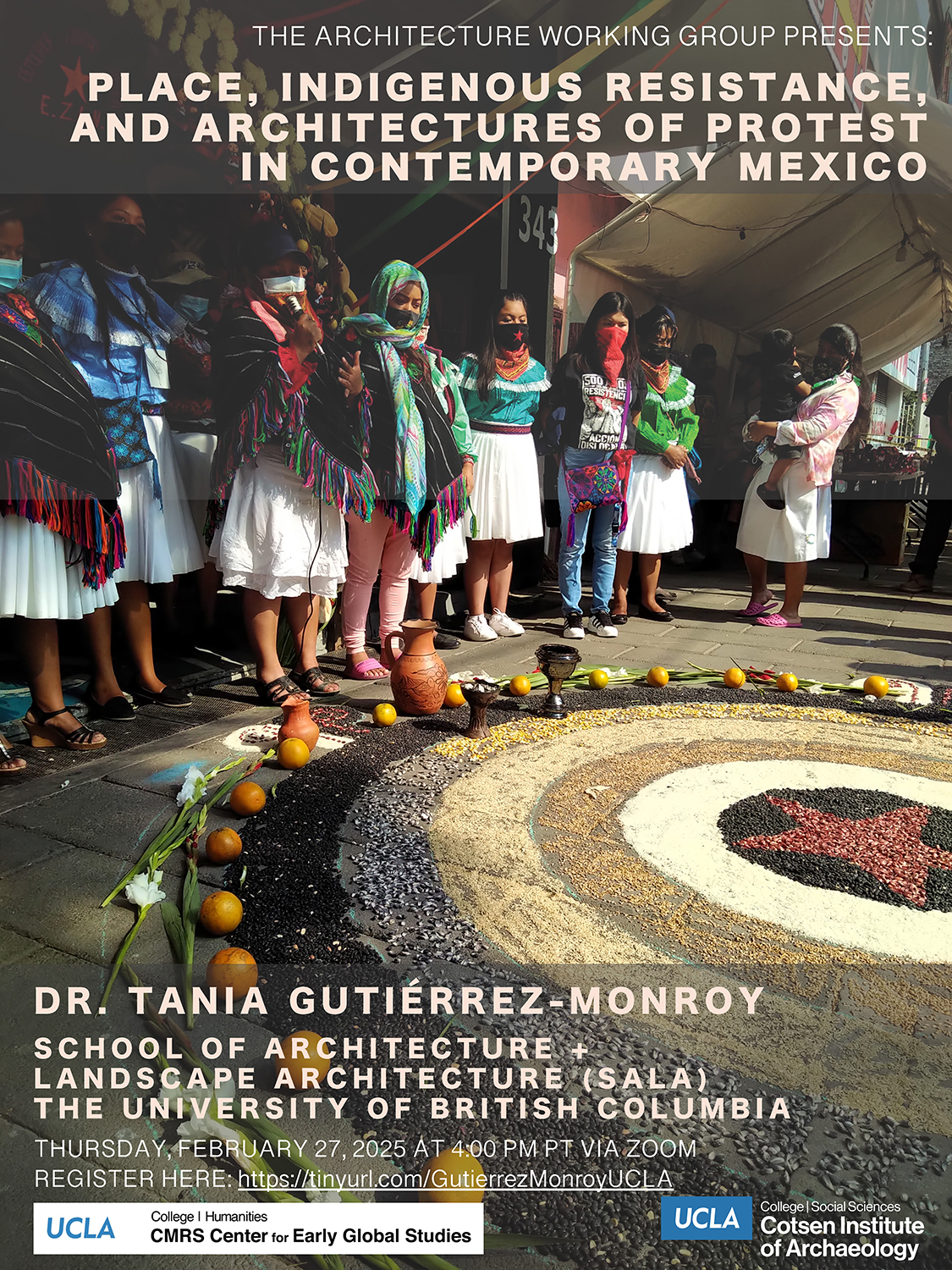
The Cotsen Institute of Archaeology and the CMRS Center for Early Global Studies present Place, Indigenous Resistance, and Architectures of Protest in Contemporary Mexico with Dr. Tania Gutiérrez-Monroy, Assistant Professor in the School of Architecture + Landscape Architecture (SALA) at The University of British Columbia. Dr. Gutiérrez-Monroy is an architectural historian who studies relationships between identity and space.
Contact Sarah Ortiz-Monasterio
Email somonasterio@g.ucla.edu
Phone
The Dynamic Legacy of the Ifugao Rice Terraces
The Ifugao Rice Terraces, a UNESCO World Heritage site in the Philippines, represent a living cultural landscape shaped by centuries of Indigenous knowledge and community resilience. This lecture will explore the multifaceted efforts to preserve and sustain this iconic heritage amid challenges posed by climate change, modernization, and globalization. Drawing on his extensive experience with community-led initiatives, Martin will delve into strategies that center Indigenous agency in the matters of conservation and ensure that the terraces will remain both a cultural and an agricultural resource for future generations.
The lecture will revisit the origins of the rice terraces, incorporating insights from the Ifugao Archaeological Project, which redefines their history as a dynamic response to Spanish colonialism rather than an ancient legacy. By highlighting the intersections of archaeology, community education, and sustainable tourism, the presentation will showcase how the Ifugao balance cultural integrity with economic opportunities. Designed for both scholars and the larger community, the lecture will underscore the global relevance of Indigenous knowledge systems in addressing contemporary issues. It will invite a dialogue on collaborative opportunities to further engage in the preservation of the Ifugao heritage, offering pathways for partnerships that honor and amplify Indigenous voices.
Reception followed by lecture and Q&A with Marlon Martin (Save the Ifugao Terraces Movement)
Register here
Marlon M. Martin is the executive director of the Save the Ifugao Terraces Movement (SITMo), a community-based organization dedicated to the conservation of the UNESCO-listed Ifugao Rice Terraces. A passionate advocate for Indigenous heritage and community empowerment, Martin has been instrumental in bridging local knowledge and academic research. His leadership in the Ifugao Archaeological Project has redefined how heritage research can be co-created with communities, helping to challenge long-standing misconceptions about Ifugao history. Through initiatives like the Preserving Legacies program, Martin has emphasized the centrality of community participation in developing sustainable strategies for cultural preservation and revitalization. With over two decades of experience in heritage management, Martin has contributed to national and international dialogues on Indigenous knowledge systems, climate adaptation, and the intersections of cultural and environmental sustainability. His work exemplifies the transformative potential of community-driven approaches to archaeology and heritage conservation.
Sponsored by Center for Southeast Asian Studies, Fowler Museum at UCLA, Cotsen Institute of Archaeology, Henry Luce Foundation, the Philippine Consulate General in Los Angeles, and the Office of Senator Loren Legarda (Senate of the Philippines)
Contact Center for Southeast Asia Studies
Email cseas@international.ucla.edu
Phone
On February 5, 2024, the Fowler returned a group of objects to His Majesty, Otumfuo Osei Tutu II, the 16th Asante King (Asantehene). On July 23, 2024, 20 historical treasures were returned to the Warumungu community in Tennant Creek, in the northern Territory of Australia. Join Silvia Forni, the Shirley & Ralph Shapiro Director of the Fowler Museum, and Erica P. Jones, senior curator of African arts and manager of curatorial affairs, for a conversation about the processes that enabled these returns and what museums gain when they let go of certain objects.
6pm Lecture
7pm Reception
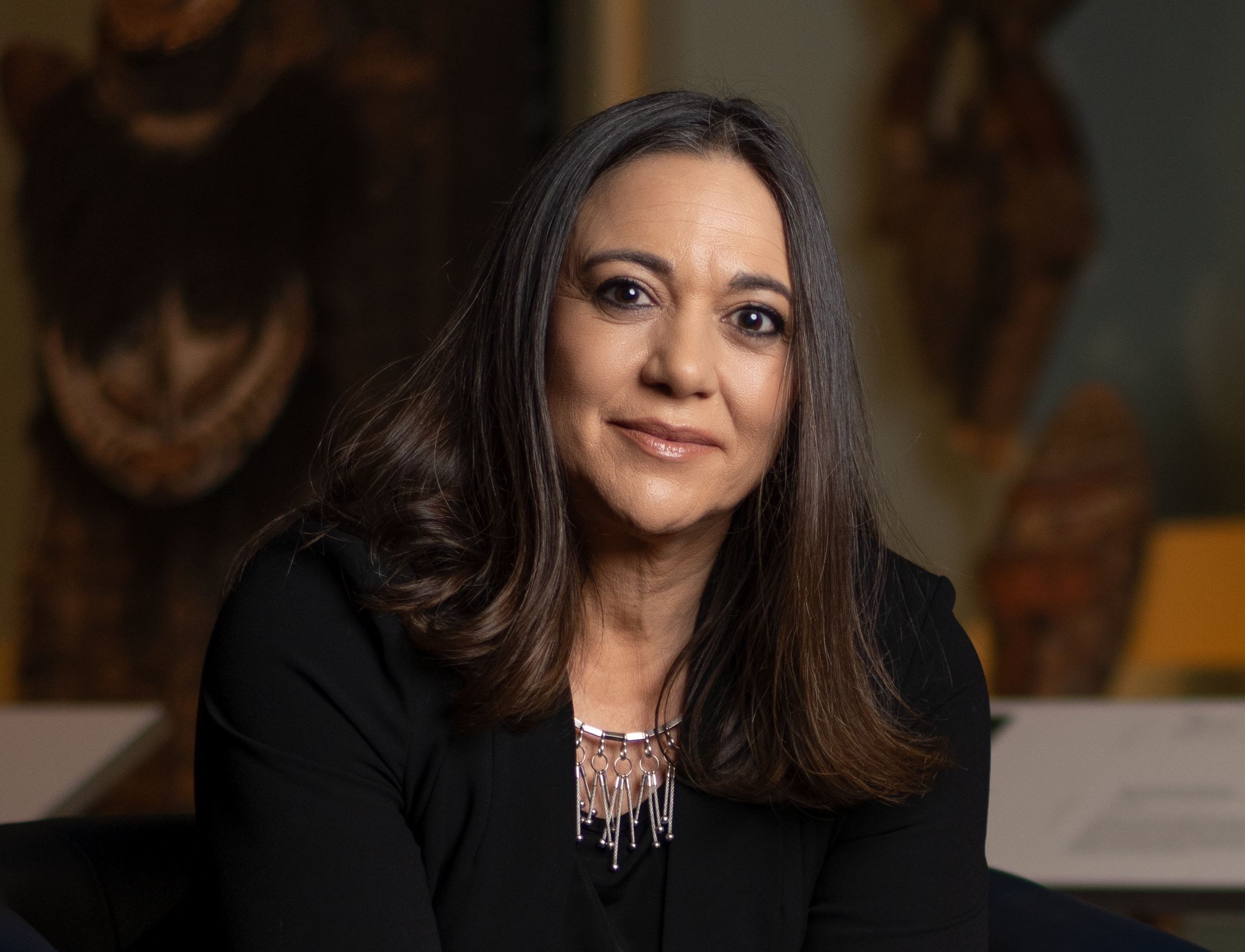 Dr. Silvia Forni joined the Fowler Museum as Shirley and Ralph Shapiro Director in December 2022. At the Fowler she is leading a team of dedicated scholars and museum professionals deeply invested in celebrating underrepresented artists and art histories and curating exhibitions and programs with and for the global communities of greater Los Angeles. Before moving to LA she served as Senior Curator of Global Africa and Deputy Vice President of the Department of Art & Culture at the Royal Ontario Museum in Toronto. She is also associated with the Department of Anthropology of the University of Toronto as Associate Professor. She is the author of numerous essays and book chapters. Among her recent publications is the volume Making History: Visual Art & Blackness in Canada, co-edited with Julie Crooks and Dominique Fontaine (2023), Art, Honor, and Ridicule: Fante Asafo Flags from Southern Ghana (2017), co-authored with Doran H. Ross (Awarded the R.L. Shep Ethnic Textile Book Award from the textile Society of America in 2018) and Africa in the Market. 20th Century art from the Amrad African Art Collection. (2015) edited with Christopher B. Steiner (Awarded the Arnold Rubin Outstanding Publication Award from the Art Council of the African Studies Association in 2017).
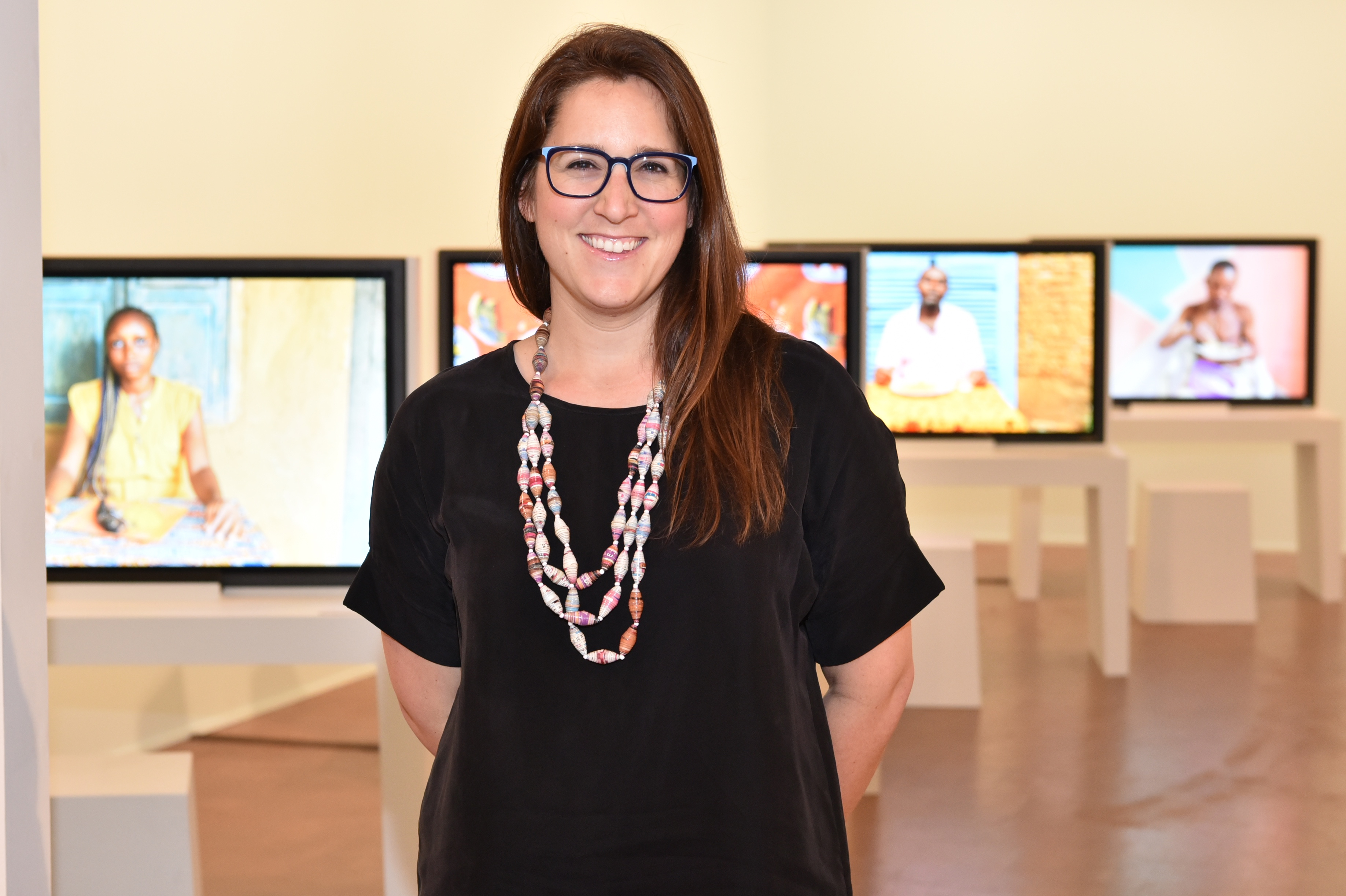 Dr. Erica P. Jones is the Senior Curator of African Arts and Manager of Curatorial Affairs at the Fowler Museum at UCLA. She received a Ph.D. in art history, with a focus in the arts of Africa, from the University of California, Los Angeles. Since joining the Fowler Museum in 2015, she has curated many exhibitions. A selection include The House Was Too Small: Yoruba Sacred Arts from Africa and Beyond (2023, co-curator), Gosette Lubondo: Imaginary Trip (2022, co-curator), Photo Cameroon: Studio Portraiture 1970-90s (2021, co-curator), Inheritance: Recent Video Art from Africa (2019), On Display in the Walled City: The Nigerian Pavilion at the British Empire Exhibition 1924-1925 (2019), and Meleko Mokgosi: Bread, Butter, and Power (2018). Jones is a key member in the Fowler’s Mellon grant funded initiative “Collaborative Interdisciplinary Research on African Collections at the Fowler Museum.” She is currently on the board of African Arts Journal, serves as a co-chair of the steering committee for the Collaboration, Collections, and Restitution Best Practices for North American Museums Holding African Objects Working Group, and in 2024 led the Fowler Museum’s repatriation of seven looted objects to the Asante Kingdom in Ghana. Her publishing has been concentrated on colonial-era collecting, provenance, and the arts and museums of the Cameroon Grassfields. She is the author of the book accompanying the exhibition Bread, Butter, and Power.
Contact Michelle Jacobson
Email mjacobson@ioa.ucla.edu
Phone
Excavations at Tell Umm el-Marra (perhaps ancient Tuba) in northern Syria revealed a large Early Bronze Age elite mortuary complex raised up in the center of the community. In this complex, tombs with human remains and objects of gold, silver, and lapis lazuli were accompanied by the burials of high-prestige animals (donkey x wild ass hybrids, known as kungas). Unique in the archaeology of third-millennium BC Syria, the Umm el-Marra necropolis allows for the reconstruction of elite funerary practices in detail and illuminates the importance of ancestor veneration, social memory, and animal agency in the development of Syria’s first urban civilization.
6pm Lecture
7pm Reception
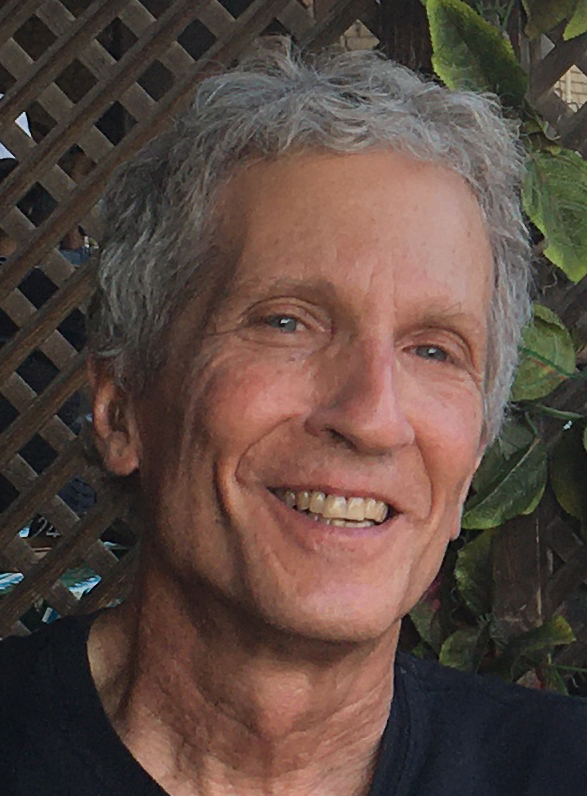
Glenn M. Schwartz is Whiting Professor of Archaeology, Department of Near Eastern Studies, Johns Hopkins University. He is a Near Eastern archaeologist who has directed excavations in Syria and Iraq and conducts research on the emergence and early trajectory of complex societies. Schwartz received his PhD from Yale University in 1982.
Schwartz’s field project at Tell Umm el-Marra, western Syria, included a focus on an elite necropolis from the Early Bronze Age with well-preserved tombs and evidence of ritual and sacrificial installations. His previous excavation project was based at Tell al-Raqa'i in northeastern Syria, investigating the character of a small village in the period of urban formation. Schwartz’s most recent fieldwork project has been based at the second-millennium BC urban Bronze Age site of Kurd Qaburstan south of Erbil in the Kurdistan region of Iraq. Among his publications are The Archaeology of Syria: From Complex Hunter-Gatherers to Urban Societies, ca. 16,000-300 BC (Cambridge University Press, 2003), coauthored with Peter Akkermans, Rural Archaeology in Early Urban Northern Mesopotamia: Excavations at Tell al-Raqa’i (Cotsen Institute of Archaeology Press, 2015), and After Collapse: The Regeneration of Complex Societies(University of Arizona Press, 2006), coedited with John Nichols.
Contact Michelle Jacobson
Email mjacobson@ioa.ucla.edu
Phone
The UCLA Waystation Initiative presents "Transforming from Yi 夷 to Xia 夏: A Bioanthropological Perspective on Cultural Transition" by Professor Hui Fang, Shandong University.
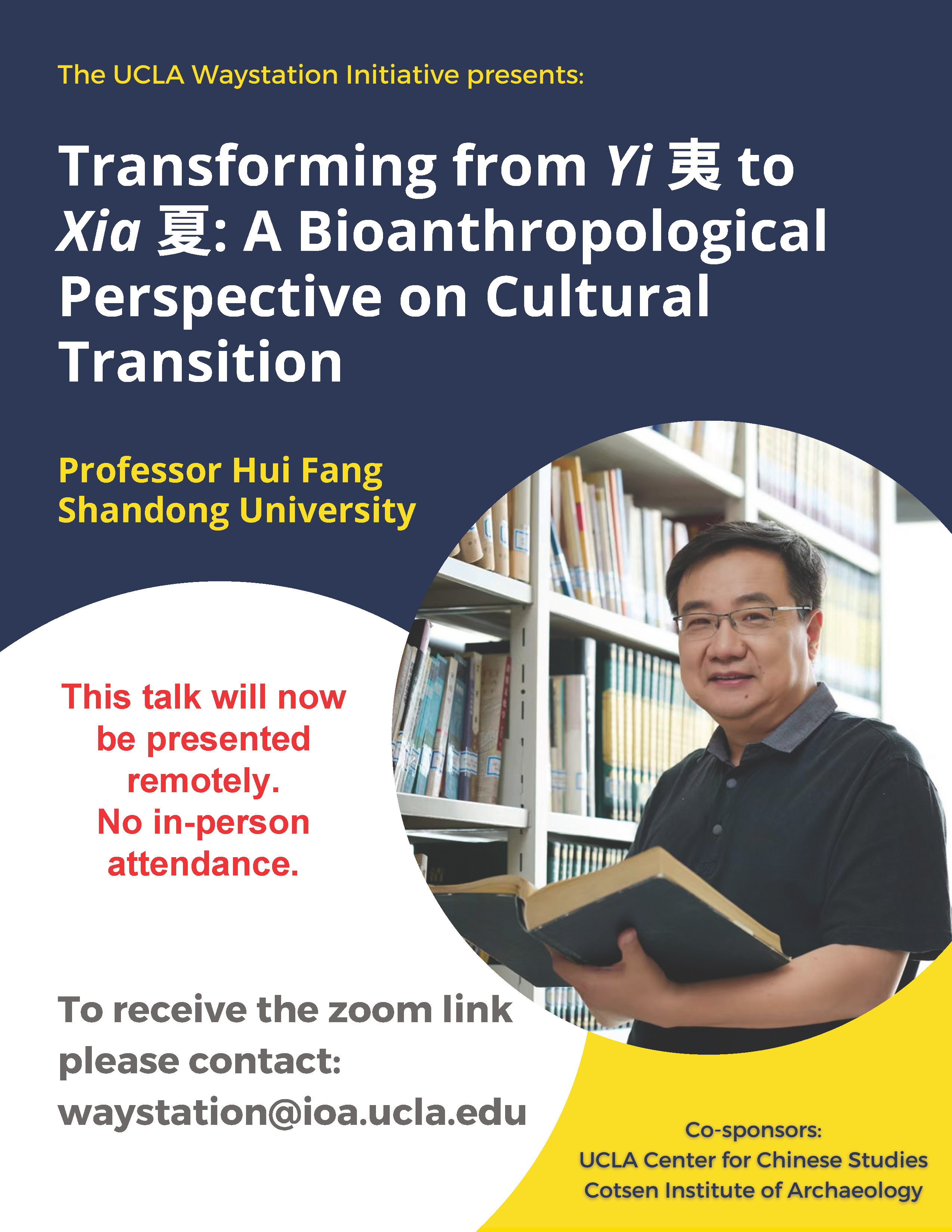
This is a online event. To receive the Zoom link please contact waystation@ioa.ucla.edu.
Co-sponsored by UCLA Center for Chinese Studies and the Cotsen Institute of Archaeology
Contact Lyssa Stapleton
Email waystation@ioa.ucla.edu
Phone
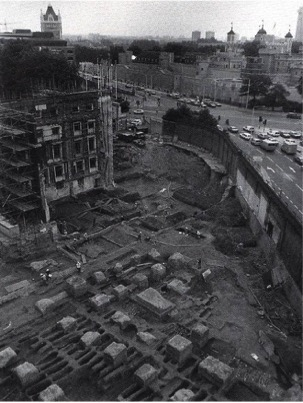 In the 14th-century, Afro-Eurasia was struck by a devastating pandemic of bubonic plague, now often called the Black Death, that killed an estimated 30-60% of some populations. Dr. DeWitte will discuss her bioarchaeological research, focusing on the skeletal remains of people who died before, during, and after the Black Death in London, England. This work aims to clarify the biosocial factors that shaped vulnerability to historical plague mortality and deepen the scope of understanding of the social and health interactions that shape epidemic disease experiences and outcomes. Analysis of demographic trends before and after the Black Death in London has revealed evidence of declines in life expectancies and, by inference, health for people before the Black Death, but improvements in health afterwards. Examination of patterns of skeletal indicators of stress reveal differences between males and females, which might reflect variation in sensitivity to stressors or differences in dietary resources in the aftermath of the Black Death. Dr. DeWitte will also highlight future directions in medieval plague bioarchaeology.
6pm Lecture
7pm Reception
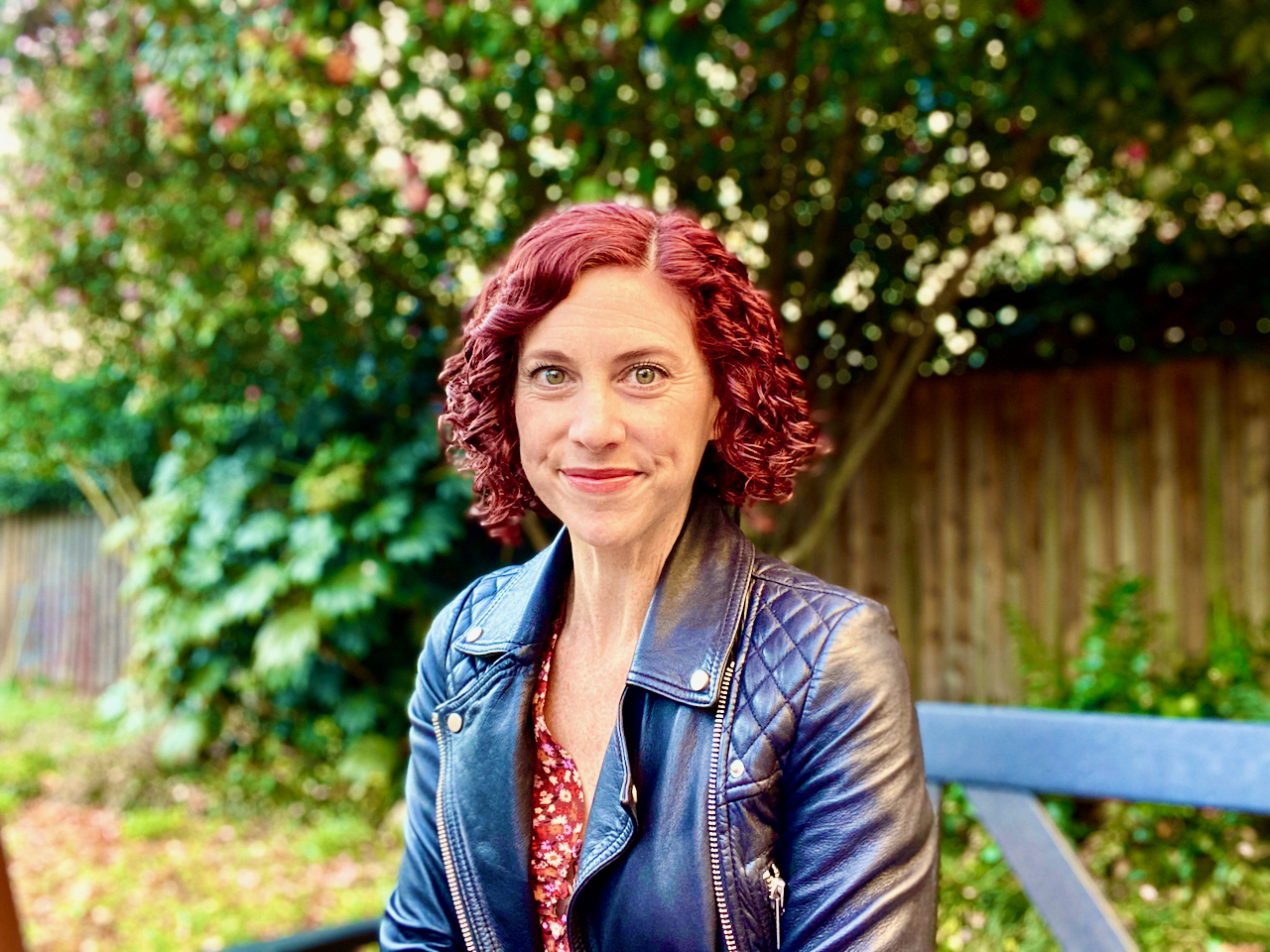 Sharon DeWitte (PhD. 2006, Pennsylvania State University) is a Professor in the Institute of Behavioral Science and Department of Anthropology at the University of Colorado, Boulder and a fellow of the American Association for the Advancement of Science. She is a biological anthropologist who specializes in the reconstruction of demography and health using human skeletal remains ethically excavated and curated from archaeological sites. She is particularly interested in infectious diseases and famine conditions in the past, and focuses on determining how factors such as sex, gender, social status, health, developmental stress, nutritional status, and geographic origin affected risks of mortality during such crises. Her research primarily focuses on mortality patterns during medieval plague epidemics in Europe and Central Asia. She is also generally interested in expanding the tools available to bioarchaeologists to examine health in the past in ways that put them in dialogue with scholars studying living people.
Contact Michelle Jacobson
Email mjacobson@ioa.ucla.edu
Phone
- 1 of 7
- next ›